
Cat owners often notice subtle changes in their pets’ behavior—drooling being one of the more puzzling. While occasional drool might seem harmless, persistent or sudden salivation can signal underlying health issues. Unlike dogs, cats are not known for slobbering, so any noticeable wetness around the mouth deserves attention. Understanding the reasons behind feline drooling helps distinguish between benign moments and potential emergencies.
Drooling, or ptyalism, occurs when saliva flows beyond the lips. In cats, it can stem from something as simple as pleasure during petting to serious conditions like kidney disease or oral infections. The key lies in context: frequency, volume, accompanying symptoms, and behavioral shifts all contribute to whether drooling is normal or a red flag.
Common Causes of Cat Drooling
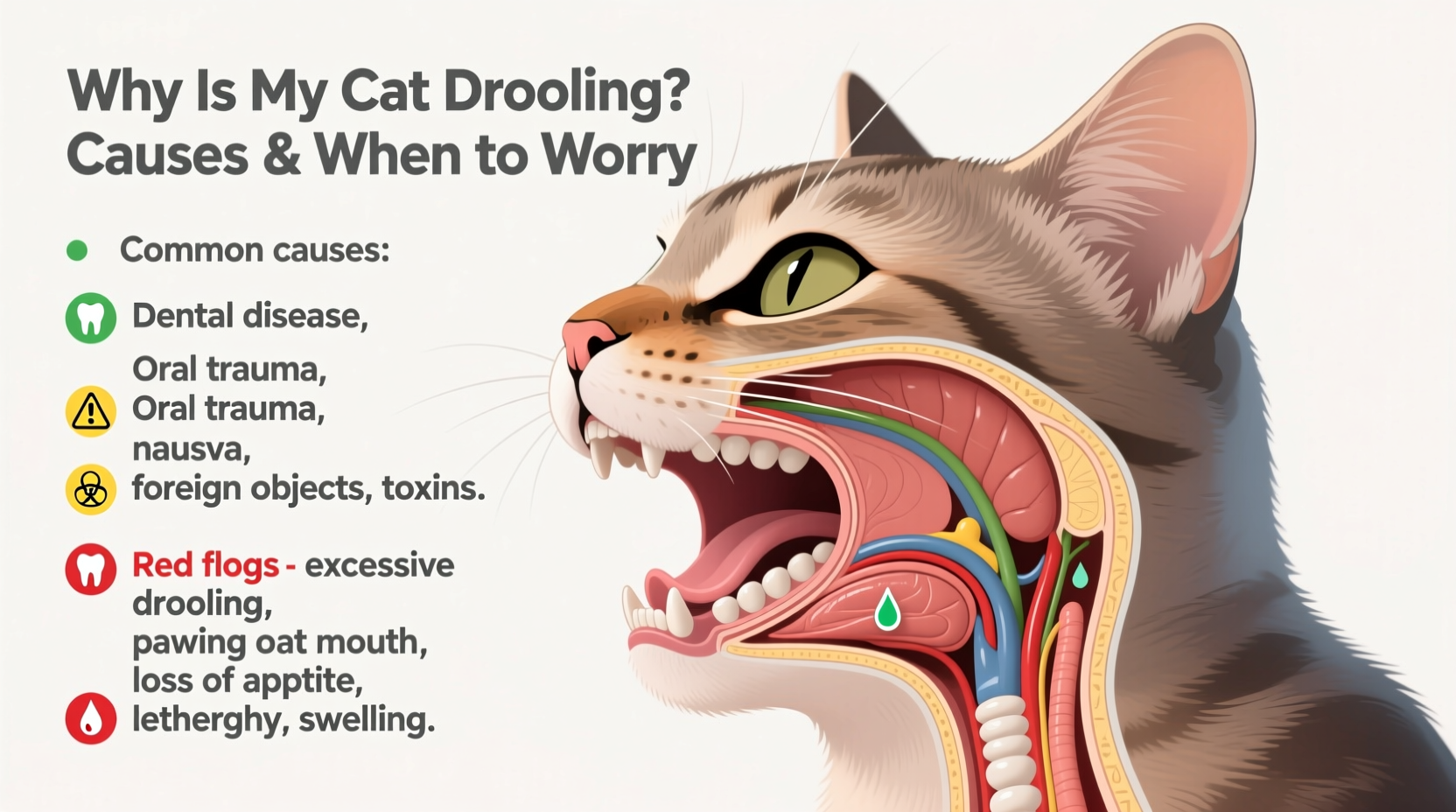
Cats may drool for a variety of reasons, ranging from harmless to concerning. Some causes are transient and self-limiting, while others require prompt medical evaluation.
- Pleasure or Contentment: Some cats drool when they’re extremely relaxed, especially during kneading or purring. This “happy drool” is typically thin, clear, and occurs in calm environments.
- Nausea: Just like humans, cats may produce excess saliva when feeling nauseous. Common triggers include motion sickness during car rides or gastrointestinal upset.
- Oral Health Issues: Dental disease, gingivitis, tooth resorption, or oral tumors can irritate the mouth, leading to increased salivation.
- Ingestion of Toxins or Bitter Substances: Applying certain topical medications (especially bitter-tasting flea treatments) can cause temporary drooling. Ingesting toxic plants or chemicals leads to excessive salivation as a protective reflex.
- Respiratory Infections: Upper respiratory infections, particularly those caused by feline herpesvirus or calicivirus, can lead to mouth ulcers and drooling.
- Foreign Objects: A piece of string, bone, or plant material stuck in the mouth or throat can trigger drooling and pawing at the face.
When Drooling Signals a Serious Problem
Not all drooling is innocent. Certain signs indicate that veterinary intervention is necessary. Persistent or worsening drool, especially when paired with other symptoms, should never be ignored.
Conditions requiring urgent care include:
- Oral Tumors: Lumps in the mouth, foul odor, difficulty eating, or bloody drool may point to cancerous growths.
- Kidney Disease: Excess salivation can accompany uremic gastritis, where toxins build up due to impaired kidney function. Other signs include weight loss, increased thirst, and lethargy.
- Poisoning: Exposure to lilies, household cleaners, or human medications like aspirin can cause acute drooling, vomiting, and tremors.
- Fever or Systemic Illness: Infections affecting internal organs often manifest with reduced appetite and hypersalivation.
“Cats are masters at hiding pain. Drooling may be one of the few outward signs that something is wrong.” — Dr. Lena Patel, DVM, Feline Internal Medicine Specialist
Do’s and Don’ts When Your Cat Is Drooling
| Action | Recommendation |
|---|---|
| Inspect the Mouth | Do: Gently open the lips to check for redness, swelling, foreign objects, or broken teeth. |
| Handle Medications Carefully | Do: Apply topical treatments in areas the cat cannot lick. Don’t: Use human medicines without vet approval. |
| Offer Food and Water | Do: Provide fresh water and soft food if eating is difficult. Don’t: Force-feed or ignore refusal to eat for over 24 hours. |
| Monitor Behavior | Do: Track changes in energy, litter box habits, and vocalization. Don’t: Assume lethargy is just “aging.” |
| Seek Veterinary Help | Do: Call your vet immediately if drooling is sudden, severe, or accompanied by distress. Don’t: Wait more than 24 hours if symptoms persist. |
Real-Life Example: Bella’s Sudden Drooling Episode
Bella, a 7-year-old domestic shorthair, began drooling excessively one evening after her owner applied a new flea treatment. At first, the owner assumed it was stress-related. But when Bella refused dinner, started pawing at her mouth, and developed a slight head tilt, concern grew.
A quick vet visit revealed that Bella had licked the medication site, and the bitter chemical triggered hypersalivation. Though not severely poisoned, she received supportive care—activated charcoal and fluids—and recovered within 48 hours. The case highlighted how easily topical products can cause reactions and why monitoring post-application is critical.
Step-by-Step: What to Do If Your Cat Starts Drooling
- Stay Calm: Panicking can stress your cat further. Approach gently.
- Check the Mouth: Look for visible injuries, bad breath, or stuck objects. Use a flashlight if needed.
- Assess Recent Events: Did you apply medication? Has the cat chewed on plants or eaten something unusual?
- Observe Additional Symptoms: Note vomiting, lethargy, difficulty swallowing, or changes in breathing.
- Contact Your Veterinarian: Describe the drooling episode in detail—duration, consistency of saliva, and associated behaviors.
- Prepare for Transport: Bring a sample of any suspected toxin and note the timeline of events.
- Follow Up: Even if the drooling stops, schedule a check-up to rule out chronic issues like dental disease.
Frequently Asked Questions
Is it normal for cats to drool when purring?
Yes, some cats drool when deeply relaxed, especially if they’re kneading or being petted. This “pleasure drool” is usually minimal, clear, and resolves once the stimulation ends. However, if drooling increases in volume or frequency, consult a vet to rule out oral discomfort.
Can dental disease really cause drooling?
Absolutely. Periodontal disease affects over 85% of cats over three years old. Inflamed gums, infected teeth, and painful lesions in the mouth stimulate saliva production. Signs include yellow tartar buildup, reluctance to chew, and dropping food mid-bite.
What should I do if I suspect my cat ingested a toxic plant?
Act immediately. Remove any remaining plant material from the mouth, rinse with water, and call your veterinarian or the ASPCA Animal Poison Control Center. Common culprits include lilies, pothos, and philodendron—all highly toxic to cats.
Preventive Care Checklist
- ✅ Schedule annual dental exams
- ✅ Brush your cat’s teeth weekly using pet-safe toothpaste
- ✅ Keep toxic plants and chemicals out of reach
- ✅ Monitor medication application sites
- ✅ Watch for changes in eating or grooming habits
- ✅ Provide fresh water daily to support oral and kidney health
Conclusion: Stay Alert, Act Early
Drooling in cats isn’t always alarming, but it should never be dismissed outright. By understanding the spectrum of causes—from affectionate moments to life-threatening illness—you become better equipped to protect your cat’s well-being. Early detection of dental problems, poisoning, or systemic disease dramatically improves outcomes.




 浙公网安备
33010002000092号
浙公网安备
33010002000092号 浙B2-20120091-4
Comments
No comments yet. Why don't you start the discussion?