
Cats are creatures of habit, often displaying behaviors that puzzle their human companions. One of the most common—and endearing—habits many cat owners report is their pet’s fascination with drinking from the faucet. Whether it's pawing at a dripping tap or waiting by the sink for a chance to sip running water, this behavior is more than just quirky. It reflects deeper instincts, sensory preferences, and sometimes even unmet hydration needs. Understanding why your cat prefers the faucet over their water bowl can help improve their overall health and encourage better drinking habits.
The Instinct Behind Moving Water
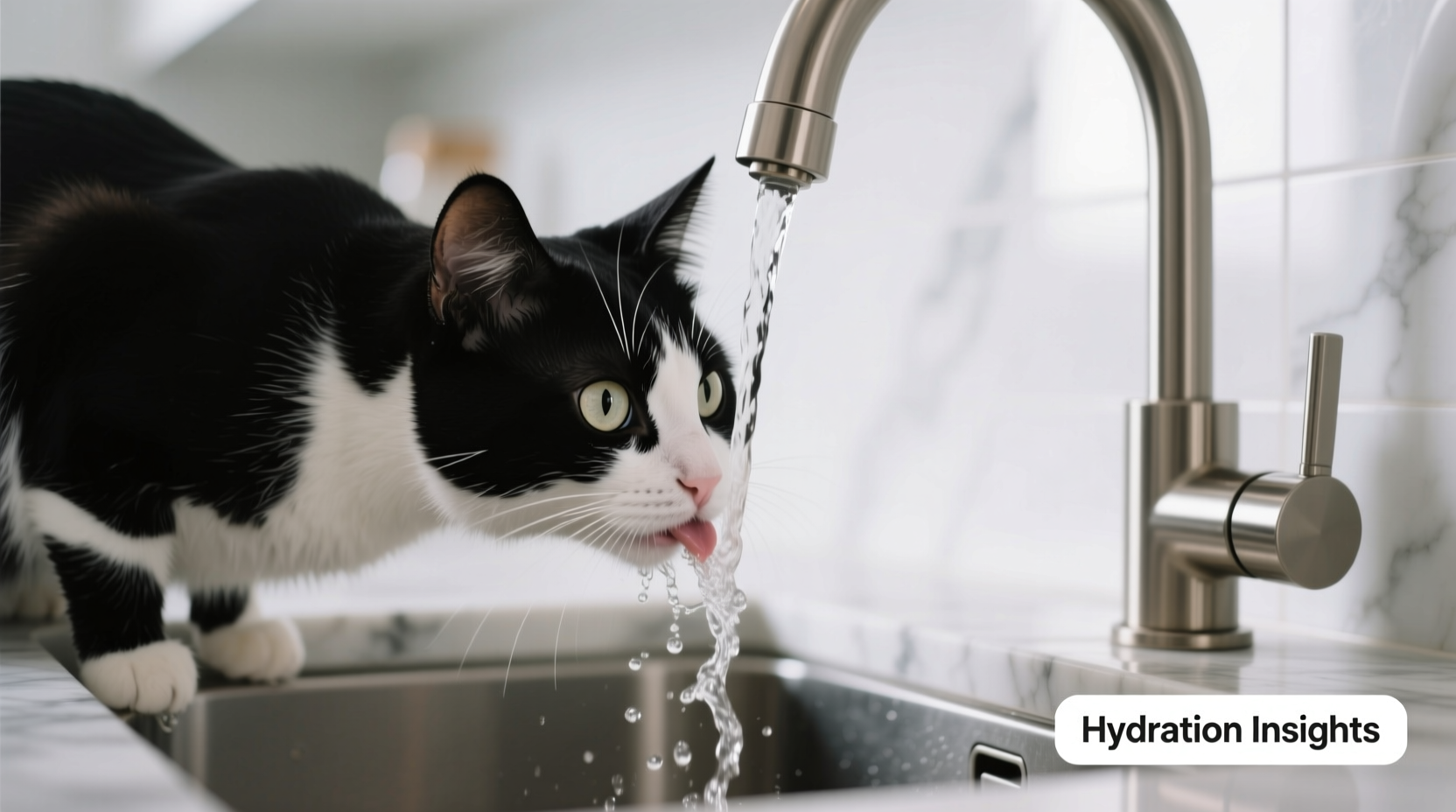
In the wild, cats evolved to avoid stagnant water sources. Still water can harbor bacteria, parasites, or contaminants, especially in outdoor environments. Flowing water, on the other hand, signals freshness and safety. This instinct remains strong in domestic cats, even when they live in clean, controlled homes. The sight and sound of running water trigger an innate preference for what their ancestors would have considered a safer option.
When a faucet drips or runs, it mimics a natural stream. The movement catches your cat’s attention, stimulating both curiosity and thirst. Unlike still water in a bowl—which may appear dull or lifeless—running water is dynamic and engaging. This sensory stimulation encourages cats to drink more frequently, which, from a health standpoint, can be beneficial.
Sensory Appeal: Sound, Sight, and Smell
Cats rely heavily on their senses to interpret the world. Their hearing is far more acute than humans', allowing them to detect high-frequency sounds—including the subtle trickle of a faucet. The sound alone can be enough to draw them in, especially if they associate it with hydration.
Visually, moving water reflects light differently than still water, creating ripples and glints that attract a cat’s attention. This visual stimulus can make the water seem more appealing and “alive.” Additionally, plastic or low-quality bowls can retain odors or develop biofilm, making the water smell stale or unpleasant. In contrast, fresh tap water—especially when flowing—carries no lingering scents and feels cleaner to the cat.
Some cats also dislike having their whiskers touch the sides of a bowl—a condition known as “whisker fatigue.” Narrow or deep bowls can cause discomfort, discouraging prolonged drinking. A wide, shallow stream from a faucet avoids this issue entirely, allowing the cat to lap without physical irritation.
Hydration and Feline Health: Why It Matters
Proper hydration is critical for cats, particularly those on dry food diets. Dry kibble contains only about 10% moisture, whereas a cat’s natural prey (like small rodents) is around 70–75% water. This means cats eating primarily dry food must compensate by drinking more water—but many don’t, putting them at risk for urinary tract issues, kidney disease, and chronic dehydration.
According to veterinary experts, insufficient water intake is one of the leading contributors to feline lower urinary tract disease (FLUTD), a painful and potentially recurring condition. Encouraging increased water consumption—even through unconventional methods like faucet drinking—can significantly reduce these risks.
“Cats are naturally predisposed to low thirst drives. Anything that encourages them to drink more—whether it’s a fountain or running tap—is a win for long-term urinary and kidney health.” — Dr. Lena Torres, DVM, Feline Internal Medicine Specialist
Encouraging Healthy Hydration Habits
While occasional faucet drinking isn’t harmful, relying on it isn’t practical or sustainable. Leaving the tap running wastes water and isn't always safe (e.g., slippery floors, electrical hazards). The goal should be to replicate the appeal of faucet water in a controlled, efficient way.
Step-by-Step Guide to Transition Your Cat Off the Faucet
- Observe your cat’s routine: Note when and how they approach the faucet. Do they prefer morning drips? Running water during handwashing? Use this pattern to time interventions.
- Introduce a pet water fountain: Choose a quiet, multi-stream model with a replaceable filter. Place it near the sink initially to leverage familiarity.
- Run the fountain during faucet times: Activate the fountain when you normally turn on the tap, helping your cat associate the new device with their preferred ritual.
- Gradually move the fountain: Over 1–2 weeks, shift the fountain away from the sink to a quieter, consistent location (e.g., kitchen corner, laundry room).
- Retire the faucet access: Once your cat consistently uses the fountain, limit faucet access by closing the bathroom door or using motion-detection reminders.
Comparing Water Sources: Pros and Cons
| Water Source | Pros | Cons |
|---|---|---|
| Faucet (tap) | Appealing flow, fresh taste, stimulates drinking | Wastes water, inconsistent access, potential safety hazard |
| Plastic Bowl | Cheap, widely available | Can leach odors, prone to biofilm, may cause whisker stress |
| Stainless Steel Bowl | Durable, easy to clean, non-porous | Still water may seem less appealing without movement |
| Ceramic Bowl | Heavy, stable, retains coolness | Can chip, heavier to clean, still water only |
| Pet Water Fountain | Continuous flow, filtered water, encourages drinking | Requires electricity, regular maintenance, initial cost |
Real-Life Example: How Mia Learned to Love Her Fountain
Sarah, a cat owner from Portland, noticed her 4-year-old tabby, Mia, would sit by the bathroom sink every evening, meowing until someone turned on the tap. Concerned about water waste and inconsistent access, Sarah consulted her vet, who suggested a ceramic fountain with a gentle cascading stream.
She placed the fountain next to the sink and ran it each time she turned on the faucet. Within three days, Mia began investigating the fountain. By day seven, she was drinking from it regularly. After two weeks, Sarah moved the fountain to the kitchen, where Mia now drinks multiple times a day without prompting. Urine specific gravity tests at Mia’s next check-up showed improved hydration levels—proof that small changes can have measurable health benefits.
Action Checklist: Promote Better Hydration Today
- Replace plastic water bowls with stainless steel or ceramic options
- Invest in a quiet, filtered cat water fountain
- Place multiple water stations in different rooms
- Clean all water containers every 2–3 days
- Add wet food to your cat’s diet to boost moisture intake
- Monitor daily drinking patterns and litter box output
- Avoid placing water bowls next to food (cats prefer separation)
Frequently Asked Questions
Is it bad if my cat only drinks from the faucet?
While not immediately dangerous, relying solely on the faucet isn’t sustainable. It limits access, wastes water, and doesn’t guarantee consistent hydration. Transitioning to a fountain or improved bowl setup is recommended for long-term health.
How much water should my cat drink each day?
A healthy cat should consume approximately 3.5–4.5 ounces (100–130 ml) of water per 5 pounds of body weight daily. Cats on dry food need more water than those on wet diets. Monitor litter box clumping and urine concentration—if urine is consistently dark or strongly scented, consult your vet.
Why does my cat dip its paw in the water before drinking?
This behavior may stem from ancestral instincts to test water depth or movement. Some cats do it to create ripples, enhancing the visual appeal of still water. Others may have sensitive paws or prefer tactile feedback before drinking. Wide, shallow bowls can reduce this need by allowing easier access.
Final Thoughts: Turning Quirks into Health Wins
Your cat’s obsession with the faucet isn’t just a cute habit—it’s a window into their evolutionary instincts and sensory world. By understanding the reasons behind this behavior, you can transform a minor quirk into a meaningful opportunity to improve your cat’s hydration and overall wellness.
Rather than discouraging the behavior outright, use it as a clue. If your cat seeks out running water, they’re signaling a preference for freshness, movement, and cleanliness. Meet that need with thoughtful alternatives like water fountains, strategic placement, and dietary adjustments. These small shifts can prevent serious health issues down the line, especially as your cat ages.




 浙公网安备
33010002000092号
浙公网安备
33010002000092号 浙B2-20120091-4
Comments
No comments yet. Why don't you start the discussion?