
Crumbling at the edges before it even hits the oven? You're not alone. Many home bakers have faced the frustration of cookie dough that won't hold together—dry, flaky, and resistant to shaping. While a perfectly balanced cookie dough should be soft, slightly tacky, and easy to scoop, deviations in ingredients, ratios, or technique can quickly lead to disaster. The good news: crumbly dough isn’t always a lost cause. With the right understanding of what went wrong and how to fix it, you can rescue your batch and still enjoy delicious, chewy cookies.
This guide dives deep into the science behind cookie dough texture, explores common causes of crumbliness, and offers actionable solutions—both preventive and corrective. Whether you’re troubleshooting a current batch or refining your baking process for next time, these insights will help you achieve consistent, bakery-quality results.
Understanding Cookie Dough Structure
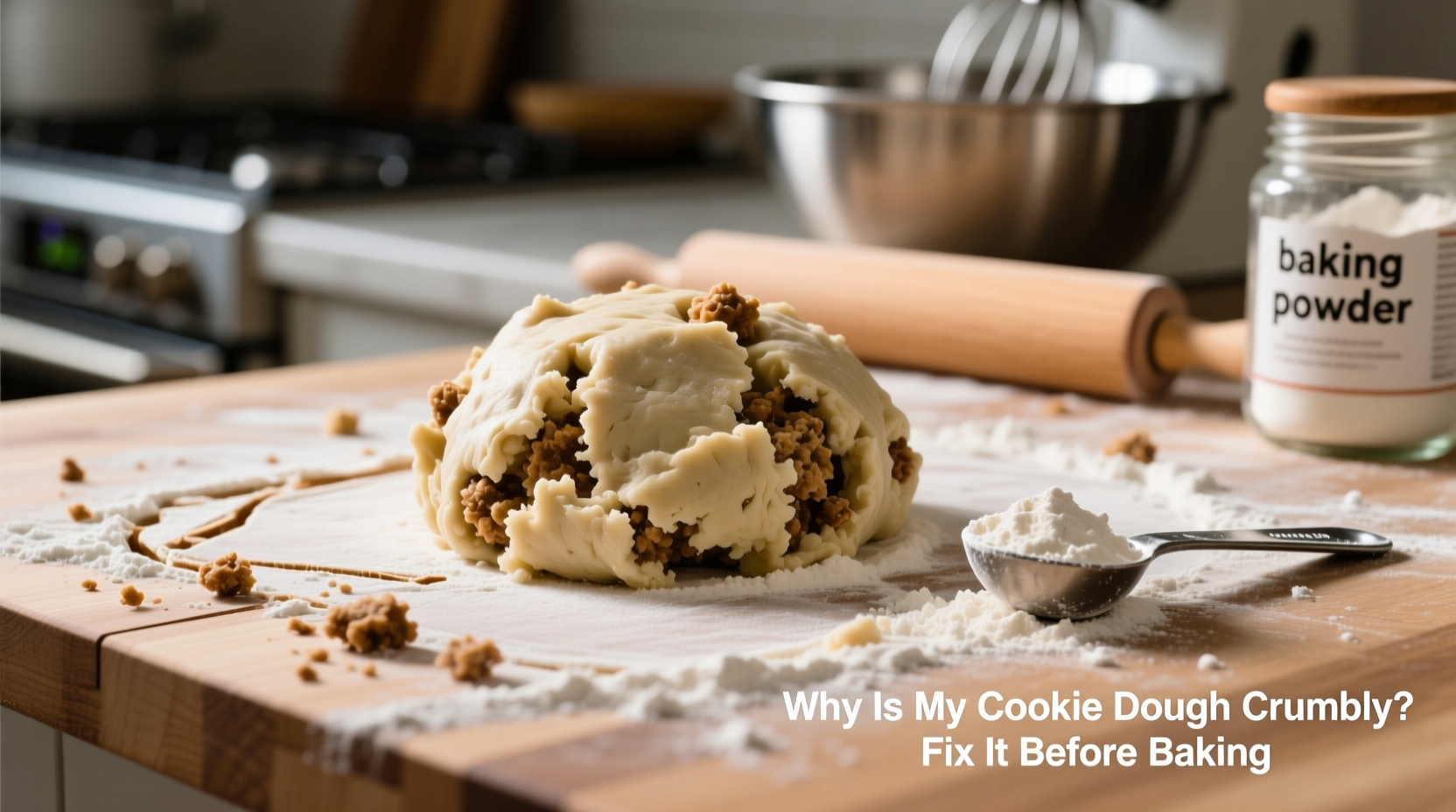
Cookies rely on a delicate balance between fat, flour, sugar, eggs, and moisture. Each ingredient plays a critical role in creating structure, tenderness, and spread during baking. When properly mixed, the fats (like butter) coat flour particles, limiting gluten development while still providing enough cohesion. Sugar adds moisture retention and tenderness. Eggs act as both binder and leavening agent. Any imbalance disrupts this harmony.
The ideal cookie dough feels soft but not sticky—pliable enough to roll or scoop, yet firm enough to hold its shape. Crumbliness typically means there’s either too much dry ingredient relative to wet, insufficient fat, or inadequate binding agents. It can also stem from overmixing, temperature issues, or ingredient substitutions gone wrong.
Common Causes of Crumbly Cookie Dough
Before attempting a fix, identify the root cause. Treating symptoms without addressing the underlying issue may worsen the problem.
- Excess Flour: The most frequent culprit. Over-measuring flour, especially when using cups instead of grams, throws off hydration balance.
- Dry Ingredients Too Cold: Chilled butter or cold eggs reduce emulsification, making the dough less cohesive.
- Insufficient Fat: Reducing butter or substituting with lower-fat alternatives like applesauce removes essential moisture and binding power.
- Lack of Eggs or Binders: Eggs provide structure and moisture. Omitting them or using substitutes without adjusting other ingredients leads to fragility.
- Overmixing After Adding Flour: This develops gluten, making dough stiff and prone to breaking.
- Low-Moisture Add-Ins: Excessive nuts, chocolate chips, or dried fruit absorb available moisture, drying out the base dough.
- Flour Type Mismatch: Using bread flour instead of all-purpose increases protein content, promoting toughness and crumbliness.
“Cookie dough should feel like softened clay—moldable with slight resistance. If it falls apart under light pressure, something’s off in the ratio.” — Chef Lila Nguyen, Pastry Instructor at Midwest Culinary Institute
Step-by-Step Guide to Fix Crumbly Dough Before Baking
If your dough is already crumbly, don’t scrap it. Follow this sequence to assess and repair:
- Stop Mixing Immediately: Further agitation worsens dryness and gluten development.
- Assess Moisture Level: Pinch a small amount. Does it barely hold together? That indicates low hydration.
- Add Liquid Gradually: Introduce one teaspoon of milk, water, or beaten egg at a time, mixing gently after each addition until cohesion improves.
- Incorporate Extra Fat: For richness and binding, blend in ½–1 tablespoon of softened butter or a neutral oil like vegetable or melted coconut oil.
- Knead Gently by Hand: Use clean fingers to press and fold the dough in a bowl. This helps redistribute moisture without overworking.
- Rest the Dough: Wrap and chill for 30 minutes. Cold allows fats to re-solidify and ingredients to hydrate evenly, often improving texture naturally.
- Re-test Before Baking: After chilling, try rolling a small ball. If it holds, proceed. If still dry, repeat moisture additions sparingly.
When to Accept Defeat
Sometimes, the damage is irreversible—especially if the flour-to-fat ratio is severely skewed. If adding two tablespoons of liquid and fat yields no improvement, consider repurposing the dough into a crumble topping or pressing it into a tart crust rather than wasting ingredients.
Preventative Measures for Future Batches
Consistency starts with precision. Avoid recurring issues with these best practices:
| Do | Don’t |
|---|---|
| Use a kitchen scale for flour (ideal: 120g per cup) | Scoop flour directly from the bag |
| Bring eggs and butter to cool room temperature (~65°F) | Use ice-cold eggs or rock-hard butter |
| Beat butter and sugar just until creamy (1–2 minutes) | Over-cream for more than 3 minutes |
| Add liquids slowly, scraping bowl sides | Pour all wet ingredients at once |
| Mix dry ingredients separately, then fold in gently | Whip flour mixture at high speed |
Ingredient Substitutions: Proceed with Caution
Gluten-free flours, oat flour, or almond flour absorb more moisture than all-purpose. When substituting, increase liquid by 10–15% or add an extra egg yolk for binding. Similarly, reducing sugar or fat alters texture permanently—these aren’t just flavor agents but structural components.
Real Example: Rescuing a Holiday Batch
Sarah was preparing her family’s signature ginger molasses cookies for a holiday party. Midway through mixing, she noticed the dough wasn’t coming together—it crumbled like sand. She realized she’d used a heaping cup of flour instead of leveling it. Panicked, she added a single tablespoon of milk and another of softened butter. After gentle folding and a 40-minute chill, the dough transformed. It rolled smoothly and baked into soft, spiced perfection. Her secret? “I stopped panicking and treated it like a science experiment—one variable at a time.”
This scenario highlights the importance of calm troubleshooting. Rushing to add too much liquid can make dough greasy or wet. Incremental correction preserves flavor and texture integrity.
Expert Tips for Long-Term Success
Beyond immediate fixes, adopting professional habits ensures consistent results:
- Invest in a Scale: Gram measurements eliminate guesswork. A recipe calling for 240g of flour leaves no ambiguity.
- Control Ingredient Temperatures: Take butter out 45–60 minutes before baking. Crack eggs ahead of time to warm them slightly.
- Understand Your Oven: Uneven heating or incorrect temperatures affect final texture. Use an oven thermometer.
- Chill Dough When Possible: Even 20 minutes improves structure, reduces spread, and enhances flavor development.
“Great cookies start with attention to detail. One extra tablespoon of flour might seem minor, but in baking, it’s the difference between melt-in-your-mouth and crumbling on the tray.” — Marcus Reed, Owner of Crust & Crumb Bakery
FAQ
Can I use oil instead of butter to fix dry dough?
Yes, but cautiously. Oil adds moisture without structure. Use only ½ tablespoon at a time and combine with a splash of milk or egg to maintain balance. Butter is preferable because it contains water and milk solids that aid texture.
Will adding more sugar help bind crumbly dough?
No. While sugar contributes to moisture retention, it doesn’t act as a binder. Adding excess sugar will make cookies spread too much and caramelize excessively. Stick to fats, liquids, or eggs for repairs.
Is crumbly dough safe to bake?
Technically yes, but results will be poor—cookies may not hold shape, will be overly dry, and could burn at edges. It’s better to fix the dough first. If baked as-is, expect flat, brittle cookies lacking chew.
Checklist: How to Prevent and Fix Crumbly Cookie Dough
- ✅ Measure flour accurately (spoon & level or use grams)
- ✅ Bring butter and eggs to cool room temperature
- ✅ Mix dry ingredients separately; sift if needed
- ✅ Cream butter and sugar only until pale and fluffy (not whipped)
- ✅ Add wet ingredients gradually, scraping bowl
- ✅ Fold in flour mixture gently—stop as soon as combined
- ✅ Test dough consistency before chilling
- ✅ If crumbly, add liquid in 1-teaspoon increments (milk, egg, water)
- ✅ Incorporate extra fat (butter or oil) if needed
- ✅ Chill dough for at least 30 minutes before baking
- ✅ Reassess texture post-chill and adjust minimally if necessary
Conclusion
Crumble doesn’t have to mean catastrophe. Understanding why cookie dough turns dry empowers you to adapt and improve—not just salvage a batch, but refine your entire baking approach. From precise measurement to mindful mixing, every step influences the final texture. By applying the techniques outlined here, you’ll turn inconsistent results into reliable success.




 浙公网安备
33010002000092号
浙公网安备
33010002000092号 浙B2-20120091-4
Comments
No comments yet. Why don't you start the discussion?