
Ferrets are naturally playful, curious, and energetic pets. When you notice your ferret shaking—whether it's a full-body tremor or localized shivering—it can be alarming. While occasional trembling may be harmless, persistent or severe shaking often signals an underlying issue that requires attention. Understanding the potential causes, recognizing warning signs, and knowing how to respond can make a critical difference in your ferret’s well-being.
Common Causes of Ferret Shaking
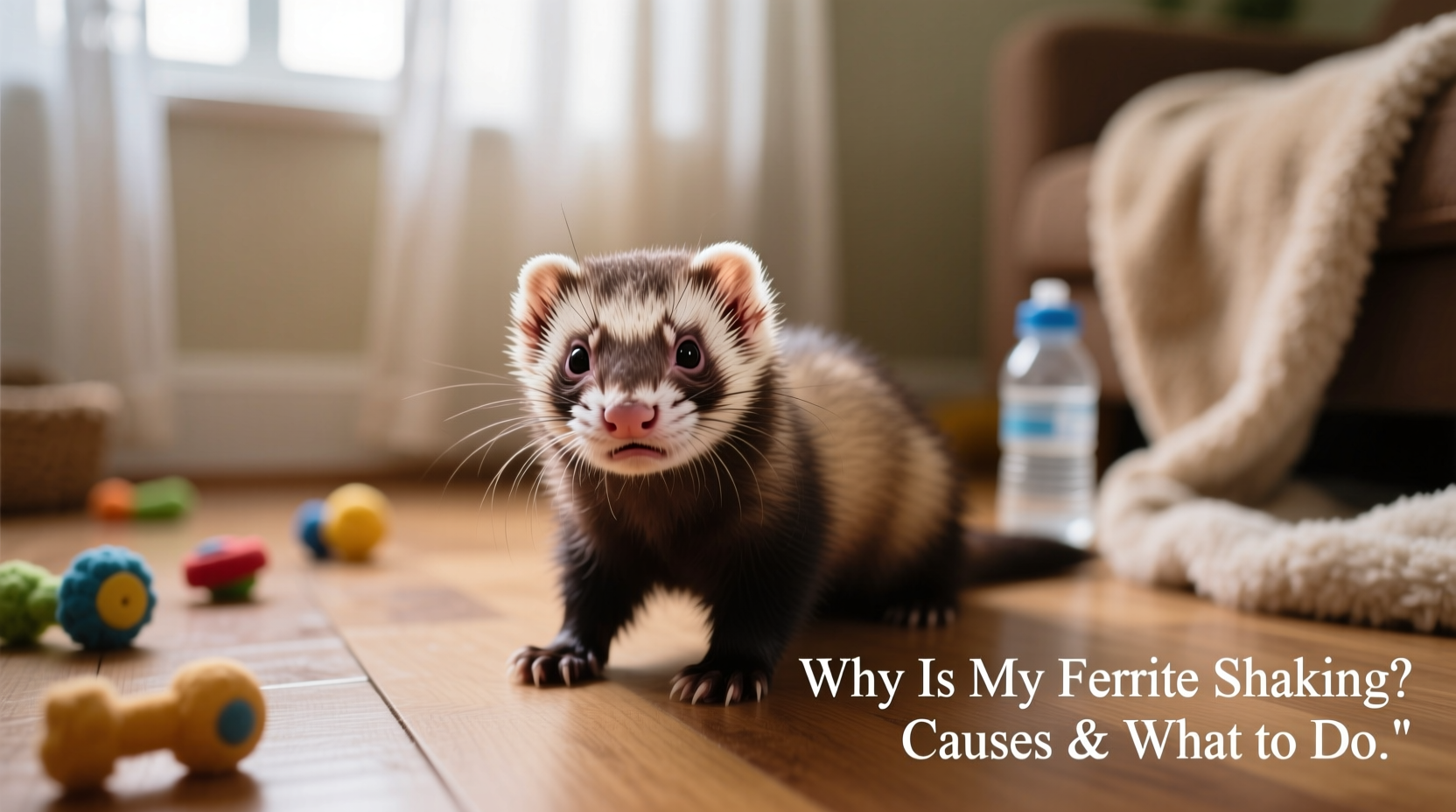
Shaking in ferrets isn't always a medical emergency, but it should never be ignored. The reasons range from environmental factors to serious illnesses. Identifying the root cause begins with observing the context and accompanying symptoms.
- Low Blood Sugar (Hypoglycemia): One of the most frequent causes, especially in older ferrets. Insulinomas—tumors on the pancreas—are common and disrupt glucose regulation.
- Cold Environment: Ferrets have high metabolisms and lose body heat quickly. If the room is too cold, they may shiver to generate warmth.
- Excitement or Fear: A ferret might shake after waking up, during play, or when startled. This type of tremor is usually brief and stops once the stimulus passes.
- Infections or Illness: Bacterial, viral, or fungal infections can trigger fever and muscle tremors.
- Toxin Exposure: Ingesting household cleaners, plants, or spoiled food may lead to neurological symptoms, including shaking.
- Neurological Disorders: Conditions such as adrenal disease or brain tumors can manifest through motor dysfunction and tremors.
- Pain or Injury: A ferret in pain may tremble due to discomfort, even if the injury isn’t visible.
When to Be Concerned: Red Flags
Not all shaking is dangerous, but certain signs indicate urgent medical needs. Monitor your ferret closely for these red flags:
- Shaking lasts more than a few minutes
- Accompanied by drooling, weakness, or collapse
- Stumbling, head tilt, or loss of coordination
- Pale gums or rapid breathing
- Lethargy following the episode
- Loss of appetite or vomiting
“Persistent tremors in ferrets, especially when paired with weakness or disorientation, are often linked to insulinoma—a condition affecting up to 50% of ferrets over three years old.” — Dr. Laura Brown, Exotic Animal Veterinarian
Step-by-Step Guide: What to Do If Your Ferret Is Shaking
If your ferret starts shaking unexpectedly, follow this action plan to ensure their safety and determine whether immediate veterinary care is needed.
- Stay Calm: Your reaction influences your pet. Speak softly and move slowly to avoid increasing stress.
- Check the Environment: Is the room cold? Are there loud noises or other stressors? Move your ferret to a warm, quiet space.
- Offer a Quick Sugar Source: Gently rub honey, corn syrup, or Nutri-Cal on the gums if the ferret is conscious but weak. This can counteract low blood sugar.
- Observe Closely: Note the duration, type of shaking, and any other symptoms like drooling or unresponsiveness.
- Prevent Falls or Injury: Place soft bedding around them to avoid harm if they lose balance.
- Contact Your Vet Immediately: Even if the shaking stops, report the incident. Describe what happened and follow their advice.
- Prepare for Transport: Wrap your ferret in a warm towel and place them in a secure carrier for the trip to the clinic.
Do’s and Don’ts: Handling a Shaking Ferret
| Action | Do | Don’t |
|---|---|---|
| During an Episode | Keep calm, offer sugar, monitor symptoms | Panic, restrain forcefully, pour liquid into mouth |
| After Shaking Stops | Record details, contact vet, keep warm | Assume it’s over and ignore follow-up |
| Long-Term Care | Feed high-protein meals, schedule checkups | Feed sugary treats regularly or skip vet visits |
| At the Vet | Share detailed history, ask about testing | Withhold information or delay diagnostics |
Mini Case Study: Bella’s Hypoglycemic Episode
Bella, a 4-year-old female ferret, began trembling violently while playing with her favorite toy. Her owner, Mark, noticed she couldn’t stand properly and was drooling. Remembering a prior discussion with his exotic vet, he immediately rubbed honey on her gums. Within two minutes, Bella stopped shaking and began grooming herself. Mark still took her to the vet, where blood tests confirmed insulinoma. With medication, dietary changes, and scheduled feedings every 3–4 hours, Bella now lives comfortably with regular monitoring. Early intervention made all the difference.
Prevention and Long-Term Management
While not all causes of shaking can be prevented, proactive care significantly reduces risks—especially for conditions like hypoglycemia and adrenal disease.
- Diet Matters: Feed a high-protein, low-carbohydrate diet. Avoid treats with sugar or grains.
- Regular Meals: Offer small, frequent meals throughout the day to maintain stable blood sugar.
- Veterinary Checkups: Schedule biannual wellness exams with a vet experienced in exotic pets.
- Safe Environment: Keep toxins out of reach and maintain a temperature between 65°F and 75°F (18°C–24°C).
- Monitor Behavior: Learn your ferret’s normal habits so you can spot changes early.
FAQ
Is it normal for ferrets to shake when they wake up?
Yes, mild trembling upon waking is common, especially if the ferret was napping in a cool spot. It typically lasts only a few seconds and resolves on its own. If shaking persists or worsens, seek veterinary advice.
Can stress cause my ferret to shake?
Absolutely. Ferrets are sensitive to changes in environment, loud noises, or unfamiliar animals. Stress-induced shaking is usually temporary but can weaken the immune system over time. Minimize stressors and provide safe hiding spaces.
How is insulinoma treated in ferrets?
Treatment includes surgery to remove tumors, medication like prednisone or diazoxide to manage blood sugar, and strict feeding schedules. Some cases require lifelong management, but many ferrets live active lives with proper care.
Conclusion: Act Fast, Care Consistently
Seeing your ferret shake can be frightening, but knowledge turns fear into effective action. Whether it's a momentary chill or a symptom of a deeper health issue, your response in the first minutes matters most. Never dismiss repeated shaking—even if your ferret seems fine afterward. Proactive observation, prompt sugar administration when appropriate, and timely veterinary care are the pillars of responsible ferret ownership.




 浙公网安备
33010002000092号
浙公网安备
33010002000092号 浙B2-20120091-4
Comments
No comments yet. Why don't you start the discussion?