
Moving a houseplant from one location to another—whether across the room or to a new home—can trigger unexpected reactions. One of the most common signs of distress? Leaf drop. While it can be alarming to see your once-lush plant shedding foliage, this behavior is often a natural response to environmental change. Understanding the science behind plant stress and knowing how to ease the transition can mean the difference between a struggling specimen and a thriving one.
Plants rely on consistent conditions to photosynthesize, absorb water, and maintain metabolic balance. Even subtle shifts in light, humidity, temperature, or airflow can disrupt these processes. When relocated, many indoor plants interpret these changes as threats, triggering survival mechanisms that include shedding older or less efficient leaves to conserve energy.
The good news: with thoughtful planning and attentive care, you can minimize shock and help your green companions adapt quickly and confidently to their new surroundings.
Why Houseplants Drop Leaves After Relocation
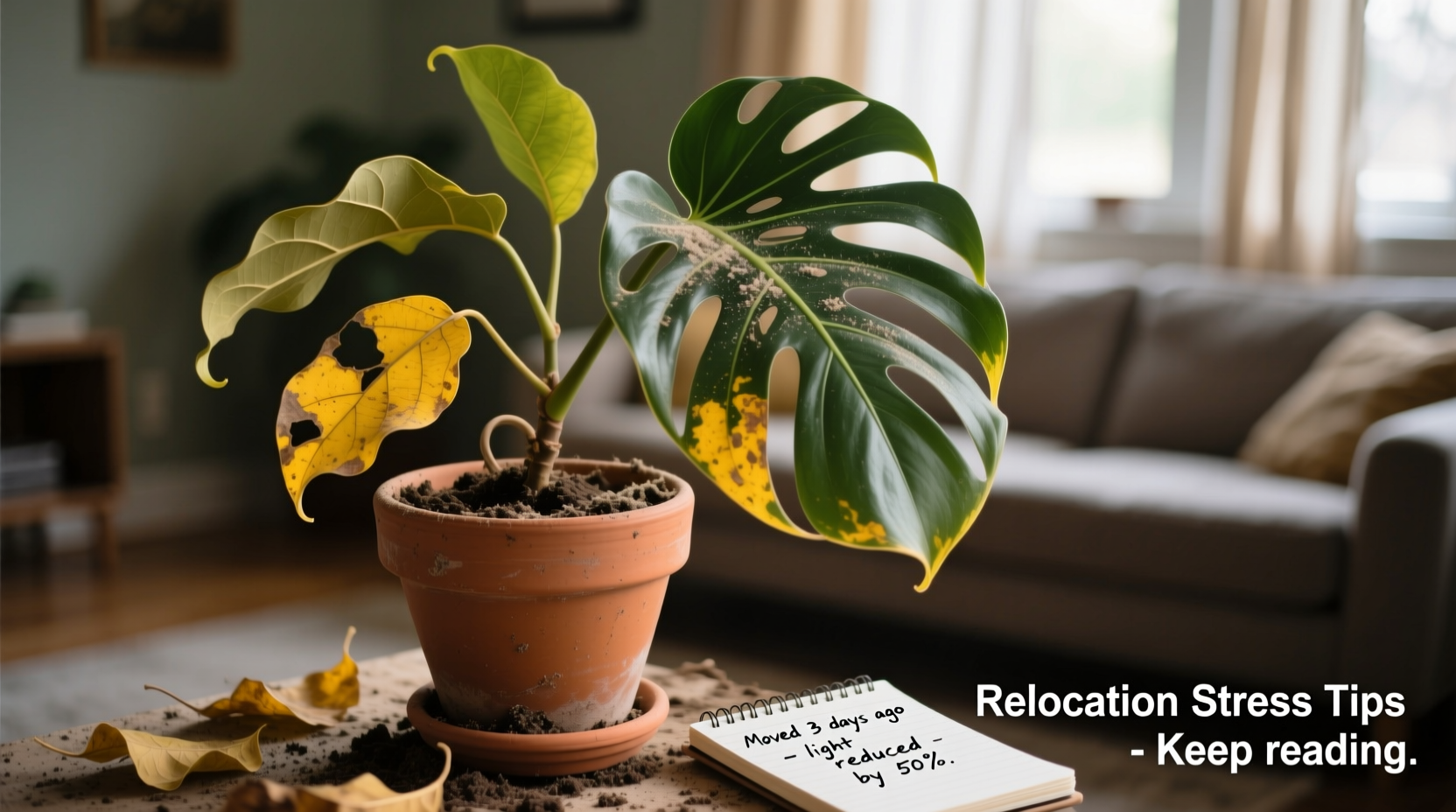
Leaf drop following a move isn’t necessarily a sign of poor health—it’s often a temporary reaction to environmental stress. Plants are highly sensitive organisms that respond to changes in their surroundings more acutely than many realize. The primary reasons for post-move leaf loss include:
- Light level fluctuations: A shift from bright indirect light to low light (or vice versa) forces the plant to adjust its photosynthetic efficiency. Lower light may prompt it to shed leaves that are no longer effective.
- Humidity changes: Moving from a humid bathroom to a dry living room—or from one climate zone to another—can dehydrate foliage, leading to browning edges and eventual drop.
- Temperature variance: Cold drafts, heating vents, or seasonal outdoor transitions can create thermal stress, especially in tropical species like pothos or peace lilies.
- Altered watering needs: In lower light or cooler temperatures, soil dries slower. Overwatering in a new space is a frequent cause of root stress and leaf loss.
- Physical disturbance: Simply rotating or jostling a plant can activate defense responses, particularly in sensitive varieties like fiddle leaf figs.
According to Dr. Linda Chen, urban horticulturist at the Greenhouse Institute, “Plants don’t ‘like’ change—they tolerate it. Their first instinct when displaced is conservation. Dropping leaves reduces surface area for transpiration, which helps them survive uncertain conditions.”
“Plants don’t ‘like’ change—they tolerate it. Their first instinct when displaced is conservation.” — Dr. Linda Chen, Urban Horticulturist
Step-by-Step Guide to Relocating Your Houseplant Safely
Minimizing transplant shock requires preparation, patience, and observation. Follow this timeline to ensure a smooth transition:
- Assess the destination (3–7 days before moving): Measure light levels using a free app or observe shadow clarity. Match the new spot to your plant’s native preferences. South-facing windows suit sun-lovers; north-facing ones favor shade-tolerant types.
- Pre-condition the plant: If moving to significantly lower light, gradually reduce exposure over a week by shifting it farther from the window daily.
- Inspect and clean: Check for pests, dust buildup, or damaged foliage. Wipe leaves gently with a damp cloth to improve respiration and light absorption.
- Move during optimal conditions: Choose a calm day, ideally in the morning. Avoid relocating during extreme temperatures or active blooming phases.
- Reposition carefully: Place the plant in its new location and avoid immediate repotting or fertilizing. Let it acclimate first.
- Monitor for 2–4 weeks: Watch for new growth, wilting, or continued leaf drop. Adjust watering frequency based on soil moisture, not schedule.
- Resume normal care: Only after signs of adaptation—such as firm stems and new buds—should you return to regular feeding or pruning.
Do’s and Don’ts of Post-Move Plant Care
To support recovery and prevent compounding stress, follow these best practices:
| Do | Avoid |
|---|---|
| Keep the plant away from HVAC vents, radiators, and drafty windows | Placing it near sources of sudden temperature shifts |
| Mist humidity-loving plants (e.g., calatheas, ferns) if indoor air is dry | Over-misting in low-light areas, which encourages mold |
| Use a moisture meter or finger test before watering | Sticking rigidly to a pre-move watering routine |
| Group plants together to create a microclimate with higher humidity | Crowding too tightly, which limits airflow and invites pests |
| Provide gentle support (e.g., stakes for top-heavy plants) | Pruning aggressively immediately after moving |
Real Example: Reviving a Stressed Fiddle Leaf Fig
Sarah, an apartment dweller in Chicago, moved her large fiddle leaf fig from a sun-drenched corner in her old unit to a dimmer bedroom in her new home. Within ten days, the plant dropped six mature leaves and developed brown spots on others.
Instead of panicking, Sarah followed a structured approach:
- She returned the plant to a brighter space—a south-facing window with sheer curtains.
- She reduced watering from once a week to once every 10 days, checking soil depth with a chopstick.
- She placed a small humidifier nearby during winter months and wiped dust off leaves biweekly.
After three weeks, new buds appeared at the stem tips. By week six, no further leaves had dropped. “I realized I’d underestimated how much light it actually needed,” she said. “Now it’s back to growing steadily.”
This case illustrates that while leaf drop is concerning, it’s rarely irreversible—especially when addressed with informed adjustments.
Essential Relocation Checklist
Before and after moving your houseplant, run through this checklist to maximize success:
- ☐ Confirm the light intensity and duration in the new location
- ☐ Clean leaves and inspect for pests or disease
- ☐ Use the same pot and soil unless repotting is already planned
- ☐ Avoid fertilizing for at least 3–4 weeks post-move
- ☐ Monitor soil moisture closely—adjust based on environment, not calendar
- ☐ Keep the plant out of reach of pets and children during adjustment period
- ☐ Label each plant if moving multiple varieties to track responses
- ☐ Wait for new growth before making further changes
How Long Does Acclimation Take?
There’s no universal timeline—acclimation depends on species, size, and the degree of environmental change. However, general guidelines apply:
- Fast adapters (7–14 days): Snake plants, ZZ plants, and pothos typically rebound quickly due to resilient root systems and low light tolerance.
- Moderate adapters (2–6 weeks): Monstera, philodendron, and spider plants may show intermittent leaf drop but stabilize with consistent care.
- Slow adapters (4–8+ weeks): Fiddle leaf figs, orchids, and calatheas require stable, high-humidity environments and are prone to prolonged stress if conditions aren’t ideal.
Signs of successful acclimation include:
- No new leaf drop after 10–14 days
- Firm, upright stems and perky new growth
- Soil drying at a predictable rate
If yellowing or dropping continues beyond six weeks, reassess lighting, watering, and pest presence. Chronic stress may indicate deeper issues such as root rot or insufficient light.
FAQ: Common Questions About Plant Relocation
Is it normal for my plant to lose a few leaves after moving?
Yes. Losing a small number of older, lower leaves is a typical stress response. As long as new growth appears and the majority of foliage remains healthy, the plant is adapting normally.
Should I repot my plant when I move it to a new place?
Not unless absolutely necessary. Combining repotting with relocation multiplies stress. Wait until the plant shows clear signs of being acclimated—usually 4–6 weeks—before changing containers or soil.
Can I move my plant outdoors temporarily during summer?
You can, but do so gradually. Begin by placing it in a shaded, sheltered area for a few hours a day, increasing exposure over 10–14 days. Sudden full sun causes sunburn, appearing as crispy, bleached patches on leaves.
Conclusion: Help Your Plants Thrive Through Change
Relocating a houseplant doesn’t have to mean losing leaves or vitality. With awareness of plant physiology and a methodical approach, you can guide your green companions through transitions smoothly and successfully. Remember: leaf drop is rarely permanent. It’s a signal, not a sentence.
By matching the new environment to your plant’s needs, avoiding common pitfalls, and giving time for adjustment, you’ll foster resilience and long-term health. Whether you're rearranging your living room or moving across town, your plants can thrive—if you give them the right support.




 浙公网安备
33010002000092号
浙公网安备
33010002000092号 浙B2-20120091-4
Comments
No comments yet. Why don't you start the discussion?