
Urine color is one of the most immediate indicators of your body’s internal state. While pale yellow is typically normal, shifts toward dark yellow or orange can raise concerns. Most changes are harmless and linked to hydration or diet, but persistent or unusual hues may signal underlying health issues. Understanding what influences urine color—and when to act—can help you make informed decisions about your health.
The Science Behind Urine Color
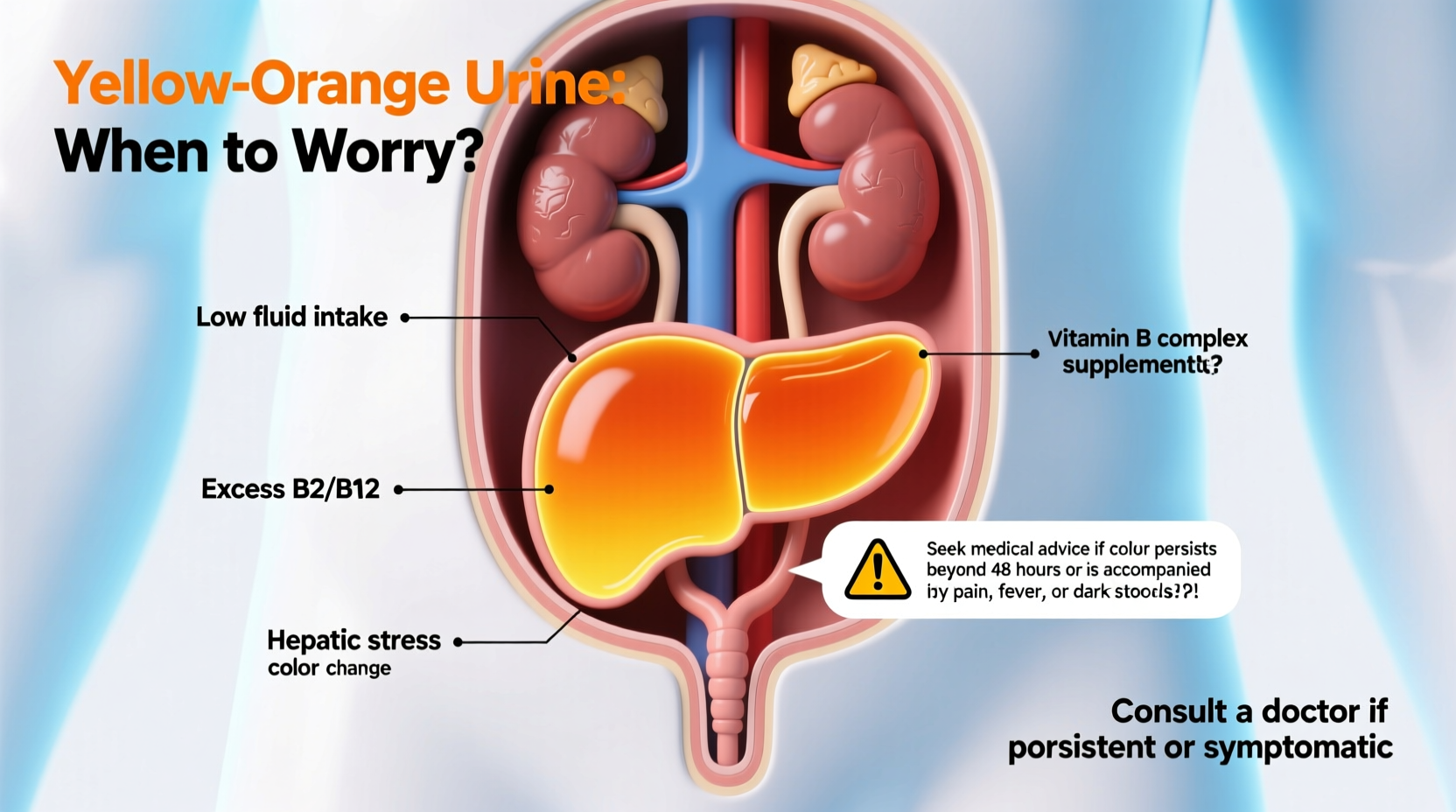
Urine gets its color from a pigment called urochrome, a byproduct of hemoglobin breakdown in red blood cells. The concentration of this pigment depends largely on hydration levels. When you drink plenty of fluids, urine becomes more diluted and appears pale yellow. When you're dehydrated, it concentrates and turns darker.
However, other factors beyond water intake can alter urine pigmentation. Medications, food dyes, supplements, liver function, and certain medical conditions also play roles. Orange urine, in particular, often triggers alarm—but not always without reason.
Common Causes of Yellow and Orange Urine
Most cases of yellow to orange urine stem from benign sources. Here are the top contributors:
- Dehydration: The most frequent cause. Insufficient fluid intake leads to concentrated urine rich in urochrome, resulting in deep yellow or amber tones.
- B-vitamins (especially B2 and B12): Riboflavin (B2) gives urine a bright neon yellow, while B12 may shift it toward fluorescent green-yellow or mild orange.
- Dietary factors: Carrots, carrot juice, and foods high in beta-carotene can tint urine orange. Food coloring in processed snacks may also contribute.
- Medications: Several drugs cause orange discoloration, including phenazopyridine (used for urinary tract discomfort), rifampin (an antibiotic), and some laxatives.
- Laxatives containing senna: These herbal compounds can turn urine yellow-brown or reddish-orange.
In many cases, adjusting fluid intake or discontinuing a supplement resolves the issue within hours or days.
When Orange Urine Warrants Medical Attention
Not all color changes are harmless. If your urine remains consistently orange despite rehydration—or if it's accompanied by other symptoms—it may indicate a medical problem. Key warning signs include:
- Painful urination
- Frequent urge to urinate with little output
- Abdominal, back, or flank pain
- Fever or chills
- Nausea or vomiting
- Jaundice (yellowing of skin or eyes)
- Clay-colored stools
“Persistent orange urine, especially with dark stools and jaundice, should prompt evaluation for liver or bile duct disorders.” — Dr. Alan Reyes, Nephrologist at Pacific Health Institute
Medical Conditions Linked to Orange Urine
Sustained orange or brownish urine may reflect systemic issues involving the liver, kidneys, or bile system. Common diagnoses include:
Liver Disease or Hepatitis
When the liver struggles to process bilirubin—a waste product from broken-down red blood cells—excess bilirubin enters the bloodstream and is filtered by the kidneys. This can darken urine to a tea- or cola-like shade, often described as “orange-brown.” It frequently coincides with fatigue, abdominal swelling, and jaundice.
Bile Duct Obstruction
Gallstones or tumors blocking the bile duct prevent bilirubin from reaching the intestines. Instead, it builds up and spills into urine, causing dark orange or brown color. Stools may become pale or clay-colored due to lack of bile.
Urinary Tract Infections (UTIs) and Kidney Stones
While UTIs typically cause cloudy or pink urine, severe infections with bacterial overgrowth or bleeding can produce orange-tinted urine. Dehydration accompanying kidney stones may also concentrate urine significantly.
Hemolytic Anemia
This condition involves rapid destruction of red blood cells, increasing bilirubin production. The result? Dark yellow to orange urine and potential complications if left untreated.
| Cause | Urine Color | Associated Symptoms |
|---|---|---|
| Dehydration | Dark yellow to amber | Dry mouth, dizziness, low urine volume |
| B-complex vitamins | Bright yellow to fluorescent | None (harmless) |
| Phenazopyridine (medication) | Orange-red | Burning relief in bladder; temporary |
| Liver dysfunction | Tea-colored or orange-brown | Jaundice, fatigue, nausea |
| Bile duct blockage | Dark orange to brown | Pale stools, abdominal pain |
Step-by-Step: What to Do If Your Urine Is Orange
If you notice a change in urine color, follow this logical sequence to assess whether action is needed:
- Hydrate thoroughly: Drink 16–20 oz of water and wait 1–2 hours. Recheck urine color. If it lightens, dehydration was likely the cause.
- Review medications and supplements: Check labels for known color-changing agents like phenazopyridine, rifampin, or high-dose riboflavin.
- Assess recent diet: Did you consume large amounts of carrots, vitamin-rich drinks, or artificially colored foods?
- Look for additional symptoms: Pain, fever, or changes in stool color increase concern.
- Monitor for persistence: If orange urine lasts more than 24–48 hours after rehydration and eliminating obvious causes, consult a healthcare provider.
- Request testing: A urinalysis, liver function panel, or ultrasound may be necessary to rule out serious conditions.
Mini Case Study: Recognizing a Hidden Liver Issue
Sarah, a 42-year-old office worker, noticed her urine had turned dark orange over three days. She initially assumed she wasn’t drinking enough water. After increasing her intake, the color didn’t improve. She also felt unusually tired and saw a slight yellow tinge in her eyes. Concerned, she visited her primary care physician.
Blood tests revealed elevated liver enzymes and bilirubin levels. An ultrasound showed gallstones obstructing her bile duct. With timely intervention—including surgery to remove the stones—Sarah recovered fully. Her case underscores how urine color, when combined with other subtle signs, can lead to early diagnosis of serious conditions.
Prevention and Daily Habits for Healthy Urine
Maintaining consistent hydration and being mindful of inputs can keep urine in the healthy spectrum. Consider these preventive strategies:
- Drink half your body weight (in pounds) in ounces of water daily (e.g., 150 lbs → 75 oz).
- Avoid excessive supplementation unless medically advised.
- Limit alcohol, which stresses the liver and contributes to dehydration.
- Read medication side effects carefully.
- Consume a balanced diet rich in fiber and antioxidants to support liver health.
Checklist: Responding to Orange Urine
- ✅ Drink two glasses of water now
- ✅ Check current medications and supplements
- ✅ Assess for pain, fever, or jaundice
- ✅ Wait 2–3 hours and re-evaluate urine color
- ✅ If unchanged or worsening, contact a healthcare provider
- ✅ Prepare notes on symptoms and timing for your doctor
FAQ
Can drinking too much water cause problems?
Yes, though rare. Overhydration can dilute electrolytes, leading to hyponatremia. Aim for consistent, moderate intake rather than sudden large volumes. Clear urine isn’t necessarily healthier than pale yellow.
Is orange urine during pregnancy normal?
Pregnant women are prone to dehydration and UTIs, both of which can darken urine. However, persistent orange or brown urine—especially with itching, nausea, or right-sided pain—may indicate intrahepatic cholestasis of pregnancy, a liver condition requiring monitoring.
Does orange urine mean I have a UTI?
Not always. While some UTIs alter urine color, typical signs include burning, urgency, and cloudy urine. Orange hue alone is more likely due to hydration or meds. But if symptoms overlap, get tested.
Conclusion
Your urine is a real-time window into your internal health. Yellow is normal. Slight variations due to diet or hydration are expected. But when orange becomes persistent—especially with other symptoms—it’s time to listen closely. Most causes are manageable, and catching issues like liver dysfunction early can prevent complications. Pay attention, hydrate wisely, and don’t hesitate to seek answers when something feels off.




 浙公网安备
33010002000092号
浙公网安备
33010002000092号 浙B2-20120091-4
Comments
No comments yet. Why don't you start the discussion?