
Sriracha, the beloved red chili sauce known for its bold flavor and vibrant hue, sometimes undergoes a surprising transformation: it turns brown. If you’ve opened a bottle only to find a darker, less fiery red—or even a deep amber or brown tint—you’re not alone. This color shift can raise concerns about safety, freshness, or quality. However, in most cases, browning is a natural process, not a sign of spoilage. Understanding the science behind this change helps separate fact from fear and ensures you can enjoy your favorite condiment with confidence.
The Science Behind Sriracha’s Color Change
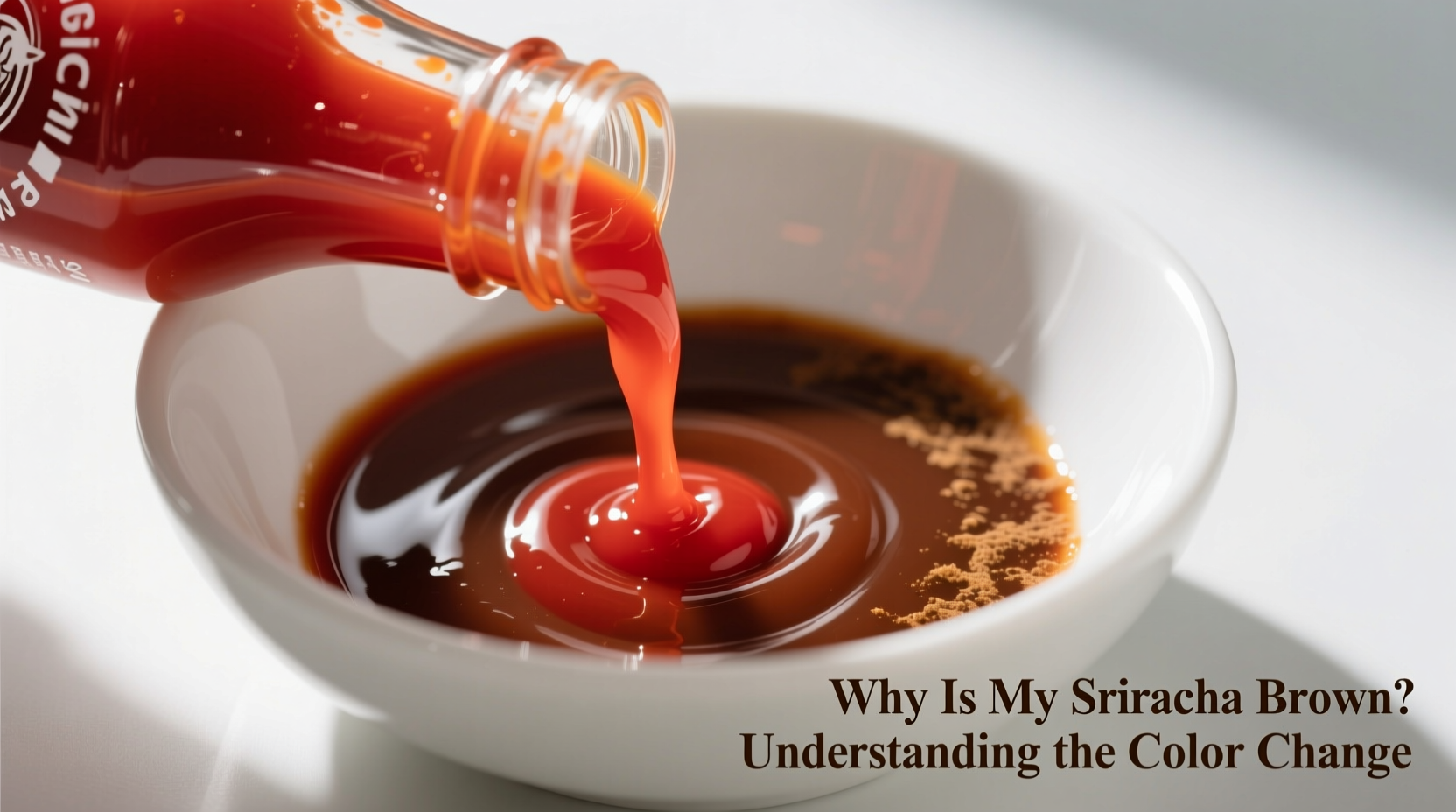
Sriracha is made primarily from red jalapeño peppers, vinegar, garlic, sugar, and salt. The bright red color comes from capsaicin-containing pigments called carotenoids—specifically capsanthin and capsorubin—which are naturally present in mature red chilies. These pigments are sensitive to environmental factors such as light, heat, oxygen, and pH levels.
Over time, exposure to these elements causes oxidation and degradation of the pigments. Think of it like how an apple turns brown when left out—the same principle applies here. The vinegar in sriracha, while preserving the sauce, also contributes to gradual pigment breakdown due to its acidity. As the carotenoids degrade, the red tones fade into deeper orange, amber, and eventually brown shades.
Fermentation, a key step in traditional sriracha production, also plays a role. During fermentation, natural enzymes and microbes break down compounds in the peppers. This process enhances flavor complexity but can darken the sauce over weeks or months. Huy Fong Foods, maker of the iconic rooster-brand sriracha, ferments their chilies for up to a month before blending them into sauce—this extended fermentation contributes to slight darkening even before bottling.
“Color changes in fermented chili sauces are expected and often indicate proper aging. Brown doesn’t mean bad—it means chemistry is working.” — Dr. Lena Torres, Food Microbiologist at UC Davis
Is Brown Sriracha Safe to Eat?
In nearly all cases, brown sriracha is perfectly safe to consume. The darkening is typically the result of natural chemical processes rather than microbial spoilage. Thanks to its high acidity (from vinegar) and high salt content, sriracha is highly resistant to harmful bacterial growth, including pathogens like Clostridium botulinum.
However, there are exceptions. While rare, contamination can occur if the bottle was improperly sealed, stored in extreme conditions, or contaminated during use (e.g., double-dipping with dirty utensils). To determine whether brown sriracha is still good, conduct a simple sensory check:
- Smell: Fresh sriracha has a sharp, garlicky, slightly sweet aroma. If it smells sour, musty, or alcoholic beyond normal fermentation notes, discard it.
- Texture: The sauce should be smooth and pourable. Mold, sliminess, or separation that doesn’t resolve with shaking may indicate spoilage.
- Taste (if smell is okay): A small taste should reveal heat, tang, and garlic. Off-flavors like bitterness or staleness suggest degradation beyond acceptability.
- Visual inspection: Look for mold (fuzzy spots), bubbling (excessive post-bottling fermentation), or cloudiness not typical of the brand.
Storage Practices That Influence Color and Shelf Life
How you store your sriracha significantly affects both its color stability and longevity. Unopened bottles are shelf-stable for up to two years due to preservatives and processing. Once opened, refrigeration slows pigment degradation and microbial activity.
Heat and sunlight are the biggest culprits behind rapid browning. Storing sriracha on a windowsill, near a stove, or in a warm pantry accelerates oxidation. Even ambient light can trigger photo-oxidation of carotenoids, leading to faster fading.
| Storage Condition | Expected Color Change | Shelf Life After Opening |
|---|---|---|
| Room temperature, direct sunlight | Rapid browning within weeks | 1–3 months |
| Room temperature, dark cabinet | Moderate darkening over months | 3–6 months |
| Refrigerated, sealed container | Minimal change over 1+ year | 1–2 years |
For best results, transfer opened sriracha to the refrigerator immediately. Keep the lid tightly closed to minimize air exposure. If you prefer keeping it on the counter for convenience, choose a cool, dark spot away from appliances and direct light.
Real-World Example: The Restaurant Kitchen Observation
A 2022 case study conducted by a food safety inspector examined sriracha bottles across ten casual dining restaurants in Southern California. All establishments kept unrefrigerated bottles on prep counters for customer access. After three months, every bottle showed noticeable browning—ranging from deep red to muddy brown. Despite the discoloration, lab tests revealed no pathogenic bacteria in any sample. Flavor panels noted a slight mellowing of heat and increased tanginess, consistent with continued fermentation, but no off-flavors.
The takeaway? Browning occurred predictably due to heat and light exposure, but did not compromise safety. Still, restaurants that rotated stock more frequently reported better flavor consistency. This highlights the importance of both storage and turnover—even when food remains safe, quality degrades over time.
Step-by-Step Guide to Preserving Sriracha Quality
To keep your sriracha looking and tasting fresh for as long as possible, follow this practical timeline:
- At purchase: Check the expiration date and ensure the seal is intact. Avoid bottles with visible leaks or dents.
- First use: Open carefully and use a clean spoon or squeeze directly onto food. Never dip used utensils into the bottle.
- After opening: Refrigerate immediately. If used daily and preferred on the counter, limit countertop storage to one month max.
- Monthly check: Inspect for odor, mold, or texture changes. Shake well before each use to recombine separated ingredients.
- Every 6 months: Evaluate flavor. If it tastes flat or overly sour, consider replacing it even if no spoilage signs are present.
- When finished: Recycle the bottle thoroughly. Glass containers can be repurposed for homemade hot sauces or spice blends.
Frequently Asked Questions
Does brown sriracha have less heat?
Not necessarily. Capsaicin, the compound responsible for heat, is relatively stable. While some flavor compounds may degrade, the spiciness usually remains intact. In fact, aged sriracha can develop a deeper, more complex heat profile.
Can I freeze sriracha to extend its life?
You can, but it’s not recommended. Freezing may alter texture and cause separation upon thawing. The high vinegar and salt content already make refrigeration sufficient for long-term storage.
Why do some brands stay red longer than others?
Formulation matters. Some commercial brands add preservatives like potassium sorbate or use artificial colors (e.g., Red 40) to maintain vibrancy. Natural, additive-free versions—like many artisanal or organic brands—are more prone to browning but offer cleaner ingredient profiles.
Final Thoughts: Embrace the Evolution
Brown sriracha isn’t a flaw—it’s a sign of time, chemistry, and natural ingredients doing what they do. Just as fine wine deepens with age, so too can your favorite hot sauce evolve in color and flavor. Rather than discarding discolored bottles out of concern, assess them objectively using sight, smell, and taste.
By storing sriracha properly, handling it hygienically, and understanding the forces behind its transformation, you can enjoy every drop without waste or worry. The next time you see that familiar rooster bottle turning golden-brown, remember: it’s not going bad—it’s maturing.




 浙公网安备
33010002000092号
浙公网安备
33010002000092号 浙B2-20120091-4
Comments
No comments yet. Why don't you start the discussion?