
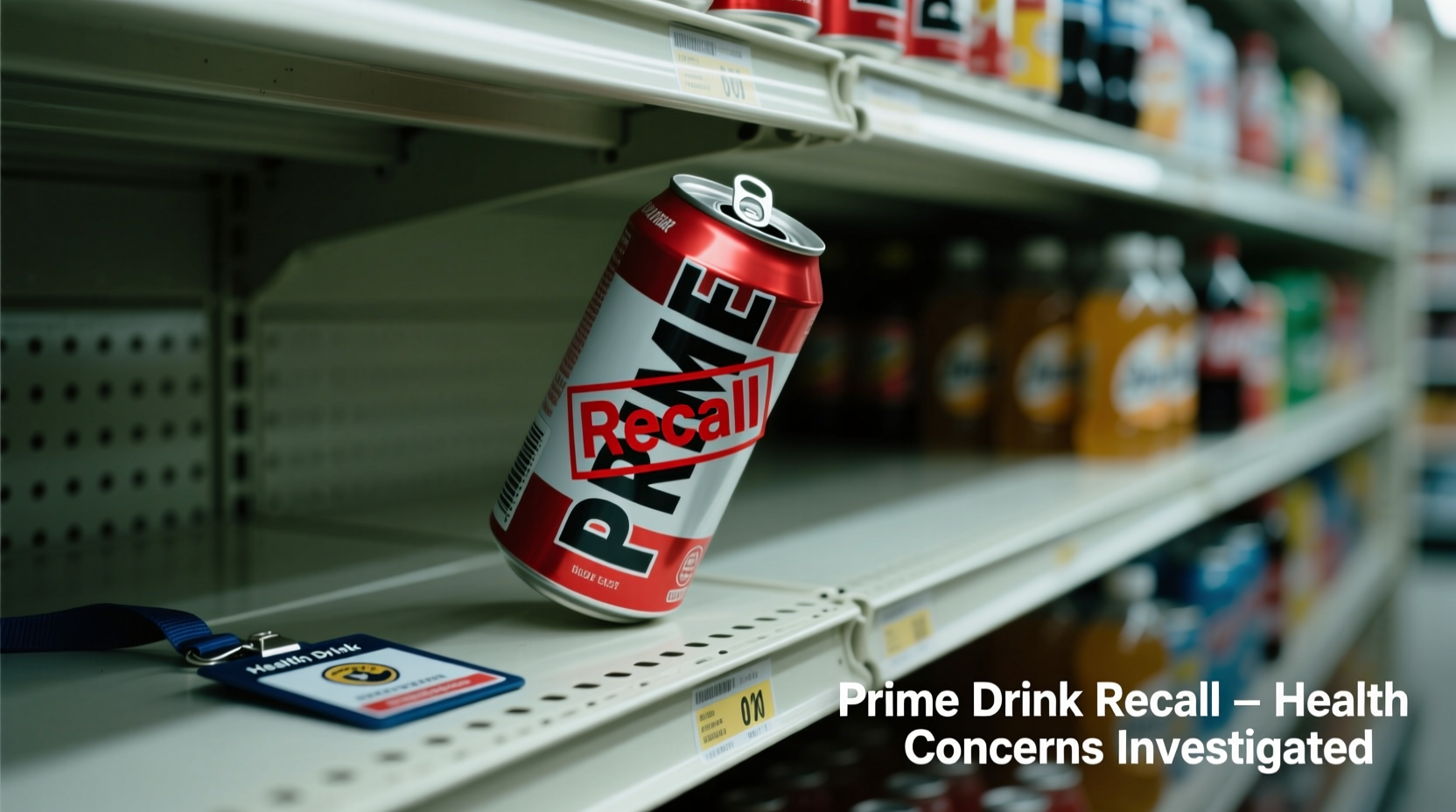
In recent months, Prime Hydration — the popular beverage co-founded by YouTube stars Logan Paul and KSI — has faced growing scrutiny and, in some regions, removal from store shelves. What began as a viral fitness trend among teens and young adults has evolved into a public health discussion. Retailers in several countries have pulled Prime drinks due to emerging health concerns tied to specific ingredients, inconsistent labeling, and reports of adverse reactions. This article examines the reasons behind these actions, analyzes the science, and offers guidance for informed consumer decisions.
The Rise and Rapid Expansion of Prime Hydration
Launched in 2022, Prime Hydration quickly capitalized on influencer marketing, celebrity endorsements, and strategic partnerships with athletes and sports leagues. Its sleek packaging, bold flavors, and claims of supporting hydration, immunity, and energy attracted millions, particularly in the under-35 demographic. Within two years, the brand expanded globally, securing shelf space in major retailers like Walmart, Target, and Tesco.
However, rapid growth often outpaces regulatory oversight and long-term safety assessments. As sales surged, so did questions about the product’s formulation — especially regarding its vitamin levels, sweeteners, and stimulant content.
Key Health Concerns Behind Shelf Removals
The decision by certain retailers and distributors to pull Prime drinks stems from multiple overlapping concerns:
- Excessive vitamin levels – Some Prime variants contain vitamin concentrations that exceed recommended daily allowances (RDAs), raising risks of hypervitaminosis.
- Use of BHB (Beta-Hydroxybutyrate) – Marketed as a ketone booster, BHB is included in the \"Energy\" line. However, its long-term effects in non-ketogenic populations are not well studied.
- Sweetener safety debates – Prime uses sucralose and acesulfame potassium, both of which have been scrutinized for potential metabolic and gut microbiome impacts.
- Caffeine content in Energy drinks – Each can contains 200mg of caffeine, equivalent to two cups of coffee, posing risks for adolescents and sensitive individuals.
- Inconsistent labeling across regions – Differences in ingredient disclosure between U.S., U.K., and Australian versions have fueled distrust.
“Consuming beverages with ultra-high levels of fat-soluble vitamins like A, D, E, and K can lead to toxic accumulation over time, especially in children.” — Dr. Lena Reyes, Public Health Nutritionist, Johns Hopkins University
International Regulatory Actions and Retailer Responses
While Prime remains available in many markets, regulatory bodies in several countries have taken precautionary measures:
| Country | Action Taken | Primary Reason |
|---|---|---|
| Norway | Banned import and sale | Vitamin D levels exceed national limits |
| France | Restricted sales to pharmacies only | Classification as a “supplement-like” product |
| Australia | Product recall on select batches | Mislabeling of electrolyte content |
| United Kingdom | Voluntary withdrawal by major retailers | Public pressure and ingredient transparency issues |
In the U.S., the FDA has not issued a formal ban but has sent inquiry letters to Prime’s parent company requesting justification for vitamin dosages and substantiation of health claims. Meanwhile, school districts in Florida and California have banned Prime drinks from campuses due to high caffeine and sugar content in flavored variants.
Real-World Case: Teen Hospitalization Sparks Public Alarm
In early 2024, a 16-year-old from Manchester, UK, was hospitalized with symptoms of acute liver stress and cardiac arrhythmia after consuming three Prime Energy drinks within 24 hours. Medical reports indicated elevated levels of vitamin B6 and caffeine-induced tachycardia. While pre-existing conditions were noted, doctors cited the drink’s cumulative stimulant and vitamin load as a contributing factor.
The case gained media attention and prompted local health authorities to issue advisories against excessive consumption, particularly among minors. It also led to a temporary suspension of Prime sales in several regional supermarkets pending review.
Ingredient Breakdown: What’s Really in Prime?
Understanding what’s in Prime requires reading beyond the branding. Here's a breakdown of key components in the most controversial products:
- Vitamin D3 (Cholecalciferol): 100%–300% DV per bottle. Chronic excess can cause hypercalcemia, kidney stones, and vascular calcification.
- Vitamin B6 (Pyridoxine): Up to 500% DV. Long-term intake above 100mg/day is linked to sensory neuropathy.
- Sucralose: An artificial sweetener associated in some studies with glucose intolerance and altered gut bacteria.
- BHB Salts: Ketone supplements with limited evidence for performance enhancement in non-keto users.
- Caffeine + Taurine + Guarana: A stimulant stack that amplifies cardiovascular effects, especially in youth.
Do’s and Don’ts for Consumers
| Do | Don’t |
|---|---|
| Limit intake to one bottle per day | Consume multiple bottles in a short timeframe |
| Check labels if you take other supplements | Assume “natural” means safe or low-risk |
| Consult a doctor if pregnant or managing a condition | Give Prime Energy drinks to children or teens |
| Stay hydrated with water as your primary fluid | Use Prime as a daily replacement for water |
Step-by-Step Guide: How to Evaluate Functional Beverages Safely
With hundreds of enhanced drinks on the market, here’s how to assess their safety before purchasing:
- Read the full ingredient list and Supplement Facts panel. Look for vitamins exceeding 100% DV.
- Identify hidden caffeine sources. Guarana, yerba mate, and green tea extract all contribute to total caffeine.
- Research each additive. Use trusted sources like NIH, EFSA, or Cochrane reviews to verify safety data.
- Consider your health status. Those with heart conditions, anxiety, or liver issues should avoid high-stimulant drinks.
- Monitor your body’s response. Note changes in sleep, heart rate, digestion, or mood after consumption.
- Rotate brands or switch to whole-food hydration. Coconut water, herbal teas, and infused water offer natural alternatives.
Frequently Asked Questions
Is Prime Hydration safe for teenagers?
No, especially the Energy line. With 200mg of caffeine per can and extremely high vitamin levels, it poses risks to developing cardiovascular and nervous systems. Pediatricians recommend avoiding such drinks entirely for those under 18.
Can Prime drinks cause liver damage?
While no direct causation has been proven, excessive intake of fat-soluble vitamins (like A and D) and high-dose B6 can contribute to liver strain over time. Combined with caffeine and artificial additives, the cumulative burden may affect liver function in sensitive individuals.
Why are some Prime drinks still sold while others are pulled?
Regulations vary by country. The Hydration line (lower caffeine, no BHB) faces fewer restrictions than the Energy line. Retailers may also differentiate based on flavor variants and batch-specific compliance.
Conclusion: Making Informed Choices in a Hyped Market
The story of Prime drink being pulled from shelves is not just about one product — it reflects broader challenges in the functional beverage industry. Marketing power, social media influence, and aggressive branding often overshadow scientific caution. While hydration is essential, not all solutions come in brightly colored bottles endorsed by celebrities.
Consumers have the right to transparent labeling, accurate health claims, and products that prioritize safety over virality. Until regulatory frameworks catch up with innovation, personal vigilance is the best defense.




 浙公网安备
33010002000092号
浙公网安备
33010002000092号 浙B2-20120091-4
Comments
No comments yet. Why don't you start the discussion?