
Reno, Nevada, often dubbed “The Biggest Little City in the World,” draws visitors with its casinos, mountain views, and proximity to Lake Tahoe. But behind the neon lights and outdoor recreation opportunities lies a more complex reality. While Reno has many vibrant communities and attractions, it also faces persistent public safety challenges that residents and travelers should understand. Crime rates, homelessness, drug-related incidents, and socioeconomic disparities contribute to perceptions—and realities—of danger in certain parts of the city. This article examines why Reno is considered dangerous by some, identifies high-risk zones, and provides practical guidance for staying safe.
Understanding Reno’s Crime Statistics
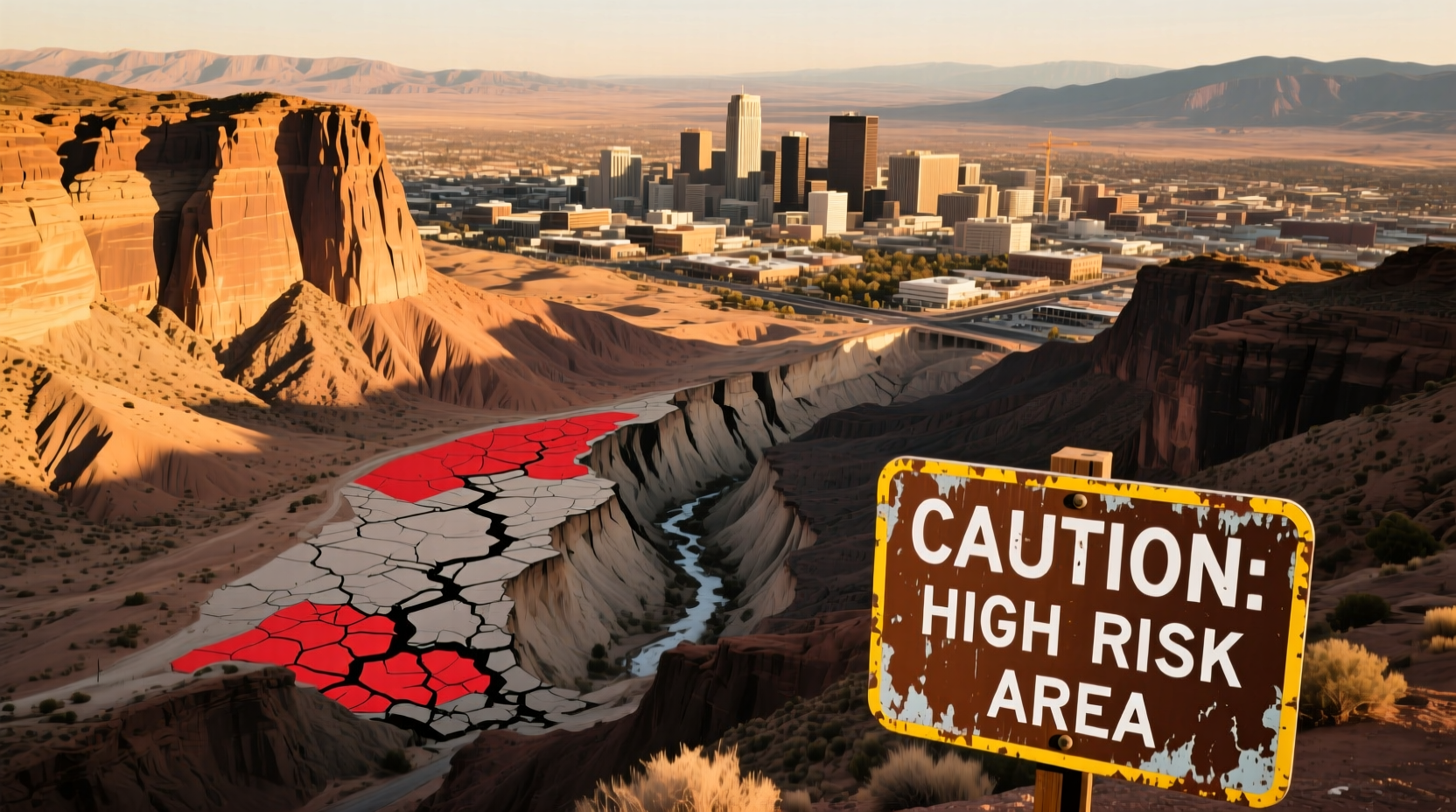
Reno consistently ranks above the national average for violent and property crime. According to FBI crime data and local law enforcement reports, the city experiences higher-than-average rates of aggravated assault, burglary, and motor vehicle theft. In 2023, Reno reported a violent crime rate of approximately 550 incidents per 100,000 people—nearly double the national average. Property crimes are even more prevalent, with over 4,000 reported cases annually.
These statistics don’t mean every part of Reno is unsafe, but they highlight systemic issues tied to economic hardship, substance abuse, and strained public services. The concentration of crime is not uniform; certain neighborhoods bear a disproportionate burden, while others remain stable and secure.
Risky Areas in Reno: Where Caution Is Advised
While Reno is generally safe during daytime hours in tourist-heavy districts like the downtown casino corridor, specific areas have earned reputations for elevated risk due to recurring criminal activity, open-air drug markets, or transient populations.
- Downtown East Side (around Keystone Avenue and Fourth Street): Known for higher incidences of drug use, petty theft, and homelessness. Police patrols are frequent, but caution is advised, especially at night.
- West Fourth Street Corridor: This stretch has seen spikes in violent crime, including assaults and robberies. Some businesses have closed due to safety concerns.
- Near the Truckee River underpasses: Encampments and illicit activities are common in these less-monitored areas. Avoid walking alone here after dark.
- North Valleys Industrial Zones at night: While primarily commercial, these areas become isolated after business hours and may attract unauthorized activity.
It's important to note that many of these issues are localized. Neighborhoods like Skyline, Northwest Reno, and areas near the University of Nevada, Reno (UNR), maintain lower crime rates and strong community engagement.
Underlying Causes of Safety Concerns
The question of why Reno is dangerous cannot be answered without examining deeper societal factors. Law enforcement and urban planners point to several interrelated causes:
- Homelessness and Mental Health Crises: An estimated 1,500+ individuals experience homelessness in Washoe County on any given night. Many suffer from untreated mental illness or addiction, contributing to public disturbances and occasional violence.
- Opioid and Methamphetamine Epidemic: Northern Nevada has seen a surge in meth and fentanyl use, fueling property crimes as users seek funds for drugs.
- Economic Disparities: Wage stagnation, rising housing costs, and limited social services create environments where crime can flourish.
- Transient Population: Reno’s accessibility via I-80 and its reputation as a low-cost living option attract individuals from out of state, some of whom bring criminal histories or engage in opportunistic behavior.
“Public safety in Reno isn’t just a policing issue—it’s a reflection of broader challenges in housing, healthcare, and economic opportunity.” — Captain Lisa Morris, Reno Police Department (ret.)
Safety Tips for Residents and Visitors
Despite its challenges, Reno remains a livable and visitable city with proper precautions. Whether you're passing through or settling in, awareness and preparedness go a long way.
Personal Safety Checklist
- Keep valuables out of sight in vehicles, especially in parking lots.
- Avoid displaying cash or expensive jewelry in high-traffic or isolated areas.
- Use ride-sharing services instead of walking alone after midnight.
- Lock doors and windows, even during short errands.
- Download the Reno PD mobile app for real-time alerts and crime reporting.
- Trust your instincts—if a situation feels off, leave immediately.
Real-Life Scenario: A Visitor’s Close Call
In early 2023, a couple from California visited Reno for a weekend getaway. After leaving a downtown bar around 1:30 a.m., they walked back to their hotel two blocks away. As they cut through an alley shortcut near Evans Avenue, they were approached by two individuals demanding phones and wallets. Fortunately, no one was injured, but both victims lost personal belongings. They later learned the alley had been flagged in multiple police advisories.
This case underscores how easily tourists unfamiliar with local geography can drift into higher-risk zones. Had they used a main street or called a rideshare, the encounter could likely have been avoided.
Comparing Reno’s Safety to Other Cities
How does Reno stack up against similar-sized cities? The table below compares key crime metrics per 100,000 residents based on 2023 FBI UCR data.
| City | Violent Crime Rate | Property Crime Rate | Population |
|---|---|---|---|
| Reno, NV | 548 | 2,890 | 265,000 |
| Boise, ID | 297 | 1,920 | 236,000 |
| Sparks, NV (adjacent) | 376 | 2,150 | 107,000 |
| Colorado Springs, CO | 521 | 2,700 | 480,000 |
The data shows Reno has higher violent crime than comparable Western cities, though it aligns more closely with Colorado Springs than with lower-crime hubs like Boise. Notably, Sparks—its neighboring city—maintains significantly lower crime levels, suggesting regional variation matters.
Frequently Asked Questions
Is downtown Reno safe at night?
Downtown Reno is generally safe in heavily trafficked areas like the casino strip, especially before midnight. However, side streets and alleys—particularly east of Virginia Street—can be risky after dark. Stick to well-lit, busy avenues and avoid engaging with strangers offering drugs or soliciting money.
Are there safe neighborhoods in Reno for families?
Yes. Areas such as South Reno near the UNR campus, the Hidden Valley subdivision, and the Damonte Ranch region offer lower crime rates, good schools, and family-friendly amenities. These neighborhoods are popular among long-term residents seeking stability.
How is the city addressing safety issues?
The City of Reno has launched initiatives like the Homeless Outreach Team (HOT), increased funding for mental health services, and expanded surveillance in high-crime zones. Additionally, community policing programs aim to build trust and reduce repeat offenses. Progress is gradual, but ongoing investment signals commitment to improvement.
Staying Informed and Taking Action
Safety in Reno doesn’t rely solely on law enforcement—it starts with informed choices. Monitor local news, sign up for emergency alerts from Washoe County, and participate in neighborhood watch groups if you’re a resident. Tourists should plan transportation ahead of time and avoid wandering into unpopulated areas.
Understanding the risks isn’t about fear-mongering; it’s about empowerment. With awareness and smart habits, most dangers in Reno are avoidable.




 浙公网安备
33010002000092号
浙公网安备
33010002000092号 浙B2-20120091-4
Comments
No comments yet. Why don't you start the discussion?