
California has become synonymous with devastating wildfires. Over the past two decades, the state has seen an alarming increase in both the frequency and scale of these disasters. From the 2018 Camp Fire that destroyed Paradise to the 2020 August Complex Fire—the first gigafire in recorded U.S. history—wildfires now threaten lives, property, and ecosystems across the region. Understanding why this is happening and what can be done is essential for residents, policymakers, and environmental advocates alike.
Climate Change: The Accelerating Force
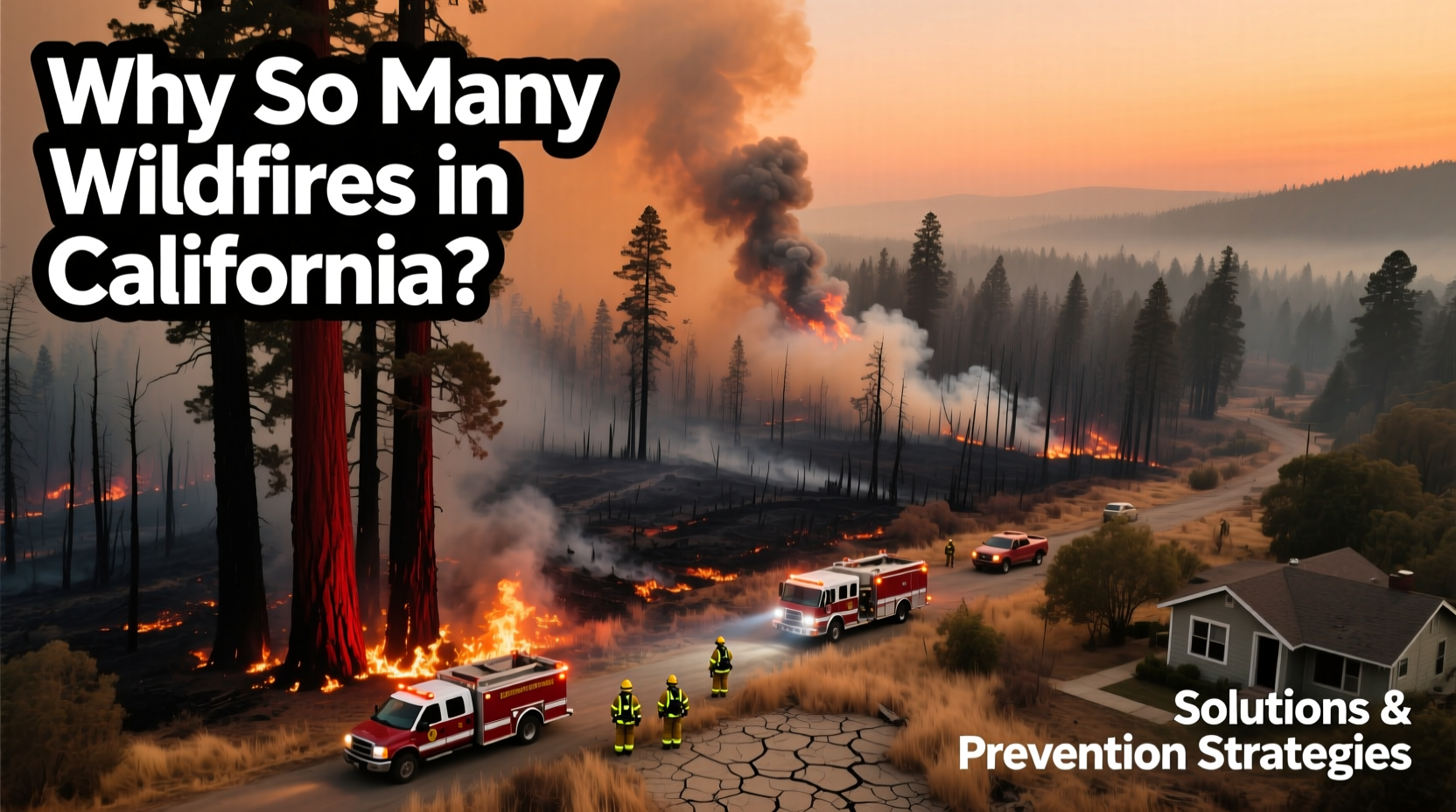
The most significant driver behind the surge in California’s wildfires is climate change. Rising temperatures, prolonged droughts, and shifting precipitation patterns have created ideal conditions for fire ignition and spread. Since the 1970s, average summer temperatures in California have increased by about 3°F (1.6°C), leading to earlier snowmelt and drier vegetation. This means the fire season, once limited to late summer and fall, now stretches from spring through winter in some years.
Dry vegetation acts as fuel. With less moisture in plants and soil, even small sparks—from power lines, vehicles, or campfires—can ignite fast-moving flames. According to research published in Earth’s Future, climate change has doubled the area burned by forest fires in the western U.S. since 1984, with California bearing a disproportionate share of that impact.
Vegetation and Fuel Buildup
For over a century, fire suppression policies aimed at extinguishing all wildfires quickly disrupted natural fire cycles. While well-intentioned, this approach allowed dead trees, dry brush, and dense undergrowth to accumulate in forests and wildland areas. Today, millions of acres across California are overgrown and primed to burn.
In ecosystems adapted to periodic low-intensity fires, such as chaparral and ponderosa pine forests, the absence of regular burning leads to excessive fuel loading. When fires do occur, they burn hotter and faster than they would under natural conditions, making them harder to control and more destructive.
“Fire is not the enemy. Mismanagement of our landscapes is.” — Dr. Scott Stephens, Professor of Fire Science, UC Berkeley
Human Activity and Infrastructure
Over 95% of wildfires in California are caused by human activity. Common sources include downed power lines, vehicle exhaust systems sparking on dry grass, unattended campfires, and arson. As urban development expands into wildland-urban interface (WUI) zones—areas where homes meet undeveloped land—the risk of ignition increases dramatically.
Power infrastructure, in particular, has played a major role. Aging transmission lines operated by utility companies like PG&E have been linked to some of the deadliest fires in state history. In high-wind events, lines can arc or fall, sending sparks into bone-dry vegetation. To reduce this risk, utilities have increasingly turned to Public Safety Power Shutoffs (PSPS), cutting power during extreme weather—a controversial but sometimes necessary measure.
| Cause | Contribution to Wildfires | Prevention Strategy |
|---|---|---|
| Lightning | ~5% | Early detection via monitoring systems |
| Power Lines | ~10% | Undergrounding lines, PSPS, grid upgrades |
| Vehicles | ~15% | Roadside vegetation clearance, enforcement |
| Campfires & Equipment | ~20% | Public education, seasonal bans |
| Arson | ~5–10% | Surveillance, law enforcement |
Solutions: A Multi-Front Approach
Addressing California’s wildfire crisis requires coordinated action across ecological, technological, and community levels. No single solution will suffice, but a combination of strategies can significantly reduce risk and build resilience.
Prescribed Burns and Forest Thinning
Controlled, intentional fires—known as prescribed burns—are one of the most effective tools for reducing fuel buildup. Conducted under safe weather conditions, these burns clear out underbrush and reset fire-prone ecosystems. Similarly, mechanical thinning removes excess trees and debris. Indigenous tribes in California have practiced cultural burning for millennia, and their knowledge is increasingly being integrated into modern fire management.
Home Hardening and Community Planning
Residents in fire-prone areas can take steps to make their homes more resistant to embers and flames. This includes using fire-resistant building materials, enclosing eaves, clearing gutters of leaves, and creating defensible space around structures. Local governments can support these efforts through zoning reforms, retrofitting incentives, and stricter building codes.
Modernizing Utility Infrastructure
To reduce ignitions from power lines, California must accelerate the undergrounding of distribution lines, especially in high-risk zones. While costly, this investment pays off in avoided fire damage and liability. Smart grid technologies—including rapid de-energization systems and real-time weather monitoring—can also help prevent sparks during wind events.
Restoring Natural Fire Cycles
Reintroducing fire as a natural process—not just a hazard—is key to long-term landscape health. Agencies like CalFire and the U.S. Forest Service are expanding prescribed fire programs, but permitting hurdles and air quality concerns often slow progress. Streamlining regulations and increasing public acceptance are vital to scaling up these efforts.
Mini Case Study: The Town of Paradise After the Camp Fire
In November 2018, the Camp Fire obliterated the town of Paradise, killing 85 people and destroying over 18,000 structures. What followed was not just recovery, but reimagining. Rebuilding efforts prioritized fire-resistant materials, wider evacuation routes, and improved emergency communication systems. New developments are required to meet strict wildfire safety standards under California’s Chapter B1 of the Building Code.
Paradise also partnered with local fire-safe councils to educate residents on preparedness. Monthly drills, fuel reduction projects, and community alert networks now form part of daily life. While no place is immune to wildfire, Paradise’s transformation shows how tragedy can catalyze smarter planning and stronger resilience.
Step-by-Step Guide: Preparing Your Home for Wildfire Season
- Assess your risk using CalFire’s Fire Hazard Severity Zone map.
- Create defensible space: Clear 30–100 feet around your home of flammable materials.
- Upgrade vulnerable components: Install ember-resistant vents, metal roofs, and dual-pane windows.
- Develop an evacuation plan with family members, including multiple escape routes.
- Prepare an emergency kit with documents, medications, water, and supplies for 72 hours.
- Stay informed via alerts from AlertCalifornia or local emergency services.
Frequently Asked Questions
Are wildfires getting worse in California?
Yes. Data from CalFire shows that since 2000, the average annual acreage burned has more than doubled compared to the previous two decades. Climate change, fuel accumulation, and population growth in fire-prone areas are key factors.
Can prescribed fires really help prevent big wildfires?
Absolutely. Studies show that areas treated with prescribed burns experience lower fire intensity and slower spread during wildfires. For example, during the 2021 Dixie Fire, a previously burned area acted as a natural firebreak, helping firefighters contain the blaze.
What can individuals do to reduce wildfire risk?
Individuals can maintain defensible space, follow local burn bans, report suspicious smoke or sparks, and advocate for better land-use planning and utility accountability in their communities.
Conclusion: A Call for Collective Responsibility
The rise in California’s wildfires is not inevitable—it is the result of interconnected environmental, infrastructural, and policy challenges. But it is also a call to action. From homeowners clearing brush to legislators funding forest restoration, every level of society has a role to play.
Mitigating wildfire risk isn’t just about fighting flames; it’s about rethinking our relationship with fire, land, and climate. By embracing science-based solutions, learning from past tragedies, and investing in prevention, California can build a safer, more resilient future. The time to act is now—before the next spark catches the wind.




 浙公网安备
33010002000092号
浙公网安备
33010002000092号 浙B2-20120091-4
Comments
No comments yet. Why don't you start the discussion?