
Indoor air quality plays a crucial role in comfort, health, and overall well-being. In dry climates or during winter months, the moisture level in the air can drop significantly, leading to a range of discomforts—from dry skin to aggravated respiratory conditions. A humidifier introduces moisture into the air, helping maintain optimal humidity levels between 30% and 50%. While the benefits are numerous, improper use can introduce risks. Understanding both sides ensures you get the most out of your device while minimizing downsides.
Health Benefits of Using a Humidifier
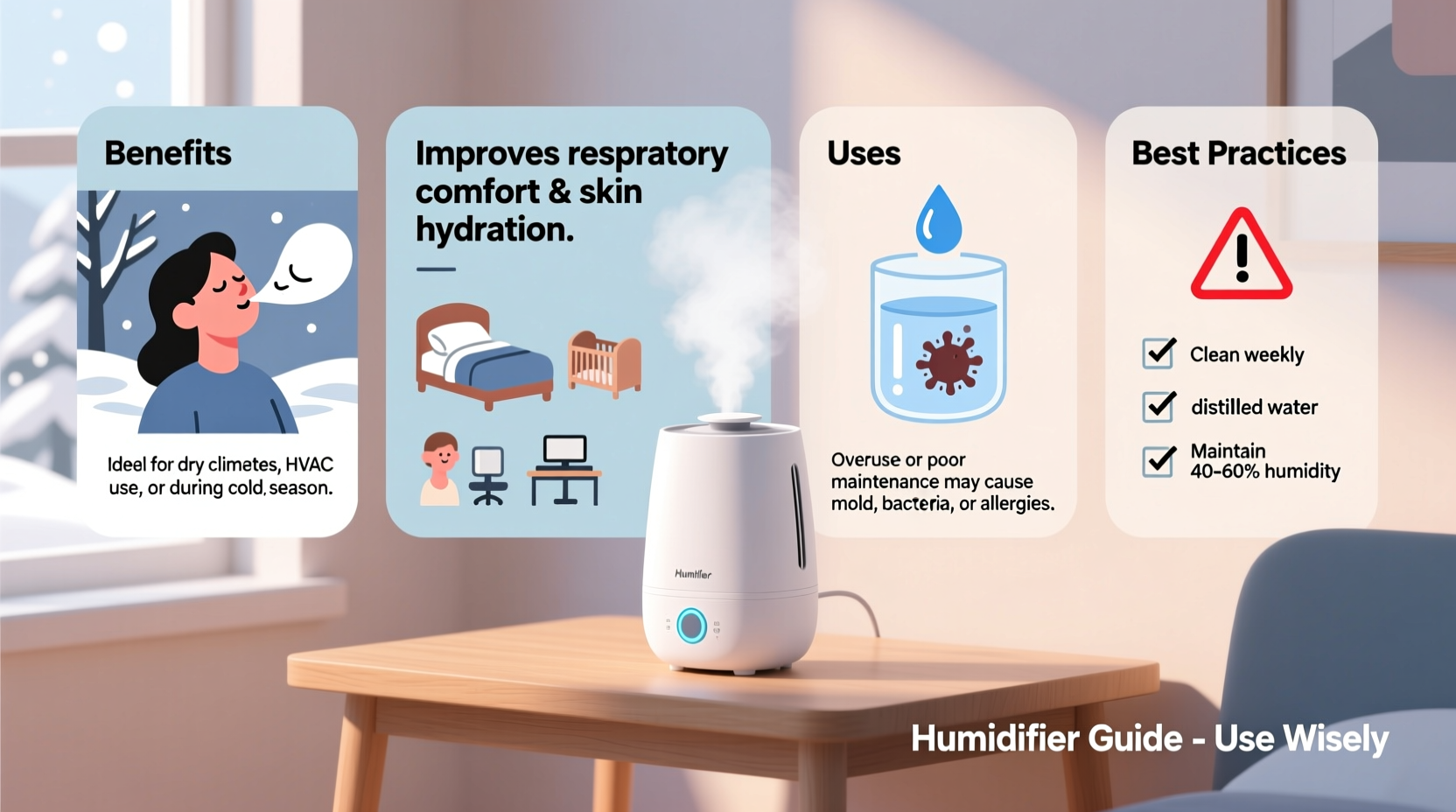
Dry indoor air can irritate mucous membranes, worsen allergies, and make it harder for your body to fight off infections. By restoring proper humidity, a humidifier supports several key health improvements.
- Relieves dry skin and lips: Low humidity strips moisture from the skin, leading to flakiness, itching, and cracking. A humidifier helps retain natural hydration, especially beneficial during cold, dry winters.
- Eases respiratory symptoms: Moist air soothes irritated nasal passages and throat. This is particularly helpful for people with chronic sinusitis, bronchitis, or colds.
- Reduces snoring and improves sleep: Dry air can cause throat tissues to vibrate more during sleep. Adding moisture may reduce snoring intensity and improve breathing comfort at night.
- Supports infant and child comfort: Babies and young children are more sensitive to dry air. Humidifiers can ease congestion from colds and prevent dry nasal passages that lead to nosebleeds.
- Lowers risk of airborne virus transmission: Studies suggest that relative humidity around 40–60% may reduce the survival rate of certain viruses, including influenza.
“Maintaining proper indoor humidity can significantly reduce upper respiratory irritation, especially in children and older adults.” — Dr. Lena Patel, Pulmonary Health Specialist
Home and Environmental Uses
Beyond personal health, humidifiers contribute to preserving household items and improving daily living conditions.
- Protects wooden furniture and flooring: Wood contracts in dry environments, leading to cracks and warping. Consistent humidity helps maintain structural integrity.
- Keeps houseplants thriving: Many tropical plants require higher humidity. A humidifier can create a more favorable microclimate, especially in heated homes.
- Reduces static electricity: Dry air increases static buildup, causing shocks and making dust cling to surfaces. Proper humidity minimizes this nuisance.
- Improves air quality perception: Moist air feels softer and less harsh, enhancing comfort without raising the thermostat.
Potential Risks and How to Avoid Them
While humidifiers offer many advantages, misuse can lead to unintended consequences. The key lies in proper maintenance and monitoring.
Mold and bacterial growth: Standing water in tanks, especially if not cleaned regularly, becomes a breeding ground for mold and bacteria. When dispersed into the air, these contaminants can trigger allergies or respiratory issues.
Over-humidification: Excess moisture encourages dust mites and mold growth on walls, ceilings, and upholstery. Signs include condensation on windows and musty odors.
Mineral dust (from ultrasonic models): These units vaporize tap water, releasing minerals into the air as fine white dust. It can settle on furniture and be inhaled, potentially irritating lungs.
Prevention Checklist
- Clean the tank every 1–3 days using vinegar or manufacturer-recommended solutions.
- Use distilled or demineralized water, especially in ultrasonic humidifiers.
- Replace filters regularly (if applicable).
- Monitor room humidity with a hygrometer; keep levels between 30% and 50%.
- Empty and dry the unit when not in use for extended periods.
- Keep the area around the humidifier well-ventilated.
Choosing the Right Humidifier: A Practical Guide
Not all humidifiers are the same. Selecting the right type depends on your space, needs, and maintenance preferences.
| Type | Best For | Pros | Cons |
|---|---|---|---|
| Ultrasonic | Bedrooms, nurseries | Quiet operation, cool or warm mist options | Produces white dust if using tap water |
| Evaporative | Large rooms, families | Self-regulating (less risk of over-humidifying), affordable | Noisy fan, requires regular wick filter replacement |
| Steam Vaporizer | Small spaces, illness recovery | Kills bacteria in water, low contamination risk | Hot surface hazard, higher energy use |
| Impeller | Children’s rooms | Cool mist, safer for kids | Limited coverage, frequent cleaning needed |
Step-by-Step: Setting Up Your Humidifier Safely
- Choose the right size: Match the humidifier’s output capacity to your room size (check square footage ratings).
- Fill with clean water: Use distilled or demineralized water to reduce mineral buildup and airborne dust.
- Clean before first use: Even new units should be wiped down with vinegar to remove manufacturing residues.
- Place on a waterproof tray: Prevents floor damage from spills or leaks.
- Position correctly: Elevate off the floor and away from walls or furniture to allow even mist dispersion.
- Run and monitor: Turn on and check humidity levels after a few hours using a hygrometer.
Real-World Example: Managing Winter Allergies at Home
Sarah, a 38-year-old teacher in Minnesota, struggled each winter with persistent nasal dryness, frequent nosebleeds, and worsened allergy symptoms. Her home’s central heating dropped indoor humidity to 22%. After consulting her allergist, she purchased a cool-mist evaporative humidifier for her bedroom. Within three days of consistent use—and diligent cleaning—her nighttime congestion improved, nosebleeds stopped, and she reported deeper, more restful sleep. She later added a second unit for the living room during peak cold season, maintaining humidity at 42%. Sarah now treats humidifier maintenance as part of her seasonal health routine.
Frequently Asked Questions
Can I use a humidifier every day?
Yes, but only if necessary. Run it when humidity drops below 30%, typically during heating seasons. Continuous use without monitoring can lead to excess moisture, promoting mold growth. Always pair daily use with regular cleaning.
Is it safe to use essential oils in my humidifier?
Only if the unit is specifically designed for essential oils. Most standard humidifiers are not oil-compatible. Adding oils to non-approved models can damage internal components and disperse unregulated particles into the air, posing respiratory risks.
How do I know if my humidifier is causing mold?
Look for visible mold near the unit, musty smells, or increased allergy symptoms among household members. Check window sills and corners of walls for condensation or black spots. If suspected, stop using the humidifier, clean it thoroughly, and assess room ventilation and humidity levels.
Conclusion: Balancing Comfort and Safety
A humidifier can transform your indoor environment—soothing dry airways, protecting wooden furnishings, and supporting better sleep. But like any tool, its effectiveness depends on informed use. The benefits are clear when the device is properly sized, maintained, and monitored. Regular cleaning, the use of distilled water, and humidity tracking turn a simple appliance into a powerful ally for health and home preservation.




 浙公网安备
33010002000092号
浙公网安备
33010002000092号 浙B2-20120091-4
Comments
No comments yet. Why don't you start the discussion?