
When it comes to choosing a bracelet that combines elegance with lasting beauty, the decision often comes down to material. Two popular options—zircon and crystal—offer dazzling brilliance but differ significantly in composition, durability, and long-term performance. While both catch the light beautifully, understanding their core differences helps ensure you invest in a piece that not only sparkles today but remains radiant for years.
Understanding the Materials: What Are Zircon and Crystal?
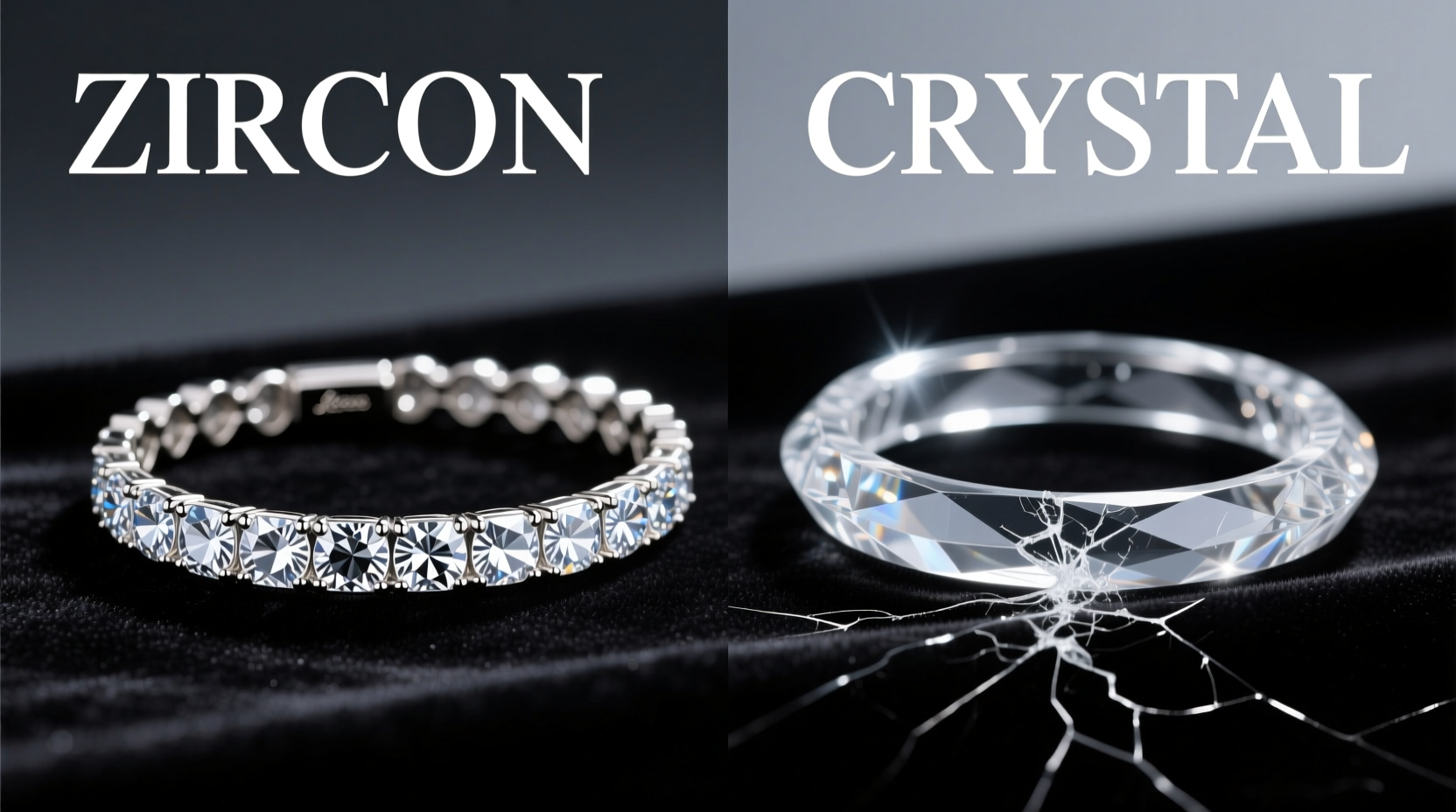
Zircon, despite its name, is not to be confused with cubic zirconia—a common synthetic diamond simulant. Natural zircon is a zirconium silicate mineral found in nature, prized for its high refractive index and natural fire. It has been used in jewelry for centuries and can appear in a range of colors, including colorless, blue, and champagne. High-quality zircon rivals diamonds in brilliance and dispersion, making it a favorite among collectors seeking vintage or ethically sourced gemstones.
Crystal, on the other hand, refers primarily to leaded glass crafted with precision to mimic the optical properties of gemstones. Brands like Swarovski have perfected the art of crystal cutting, resulting in stones with exceptional clarity and sparkle. Unlike zircon, crystal is man-made, allowing for consistent quality and a broader range of shapes and sizes. Its appeal lies in affordability, versatility, and design flexibility.
The fundamental distinction lies in origin: zircon is a naturally occurring gemstone; crystal is engineered glass. This difference affects everything from hardness to resistance against wear and environmental factors.
Sparkle Showdown: Which One Shines Brighter?
Sparkle—often referred to as brilliance and fire—is determined by how a stone reflects, refracts, and disperses light. Both zircon and crystal excel here, but in different ways.
Natural zircon boasts a refractive index between 1.92 and 1.98, close to that of a diamond (2.42), giving it intense brilliance. Its high dispersion (0.038) means it breaks light into spectral colors more vividly than most gemstones, creating noticeable “fire.” Under direct lighting, especially daylight, zircon delivers sharp flashes of color and brightness that many describe as “electric.”
Crystal, particularly high-grade lead crystal, achieves sparkle through precision engineering. The addition of lead oxide (typically 24–32%) increases the material’s density and refractive index, enhancing light reflection. When cut with exacting facets, crystal produces a uniform, mirror-like shine. However, because it lacks the natural crystalline structure of zircon, its fire is less dynamic. Instead, it offers a consistent, polished gleam ideal for formal wear and fashion jewelry.
In a side-by-side comparison under mixed lighting, zircon tends to outperform crystal in terms of depth and liveliness of sparkle. Yet, crystal maintains an edge in consistency—every piece behaves predictably, whereas natural zircon can vary in clarity and hue.
“Zircon’s natural fire gives it a soulful shimmer that manufactured stones struggle to replicate. But for everyday glamour, nothing beats the flawless consistency of fine crystal.” — Lena Moreau, Gemologist & Jewelry Designer
Durability Face-Off: Which Lasts Longer?
Longevity depends on hardness, toughness, and resistance to environmental damage. On the Mohs scale of mineral hardness, zircon ranks between 6.5 and 7.5, making it reasonably durable for occasional wear. However, it is prone to fracturing along cleavage planes and can become brittle over time, especially if exposed to heat or sudden temperature changes.
Crystal, while visually impressive, scores lower—typically around 5 to 6 on the Mohs scale. This makes it more susceptible to scratches from everyday contact with surfaces like countertops or keys. Additionally, prolonged exposure to moisture, perfume, or lotions can dull its surface or corrode metal settings over time.
In practical terms, zircon is better suited for heirloom pieces stored carefully and worn infrequently. Crystal excels in fashion-forward designs meant for regular rotation but requires more vigilant care to maintain its luster.
| Feature | Zircon Bracelet | Crystal Bracelet |
|---|---|---|
| Hardness (Mohs) | 6.5–7.5 | 5–6 |
| Scratch Resistance | Moderate to high | Moderate |
| Light Performance | High brilliance, strong fire | Consistent sparkle, less fire |
| Lifespan (with care) | 10+ years (occasional wear) | 5–8 years (regular wear) |
| Sensitivity to Heat/Chemicals | High (can discolor or crack) | Moderate (surface erosion possible) |
Real-World Example: A Bride’s Choice
Consider Sarah, a bride planning her wedding accessories. She wanted a bracelet that would look stunning in photos and could be passed down to her daughter. After consulting a jeweler, she chose a natural zircon piece set in white gold. Though more expensive than crystal alternatives, the zircon offered superior brilliance under outdoor lighting and carried symbolic value as a natural gemstone.
Five years later, Sarah still wears the bracelet on special occasions. She stores it separately in a soft pouch, cleans it gently with a microfiber cloth, and avoids wearing it during travel or housework. In contrast, her sister opted for a crystal bracelet from a luxury fashion brand. It looked flawless on the big day but began showing fine scratches within two years and lost some sparkle after repeated exposure to sunscreen and chlorinated water.
This scenario illustrates that while both materials can deliver immediate impact, zircon holds up better over time when cared for properly.
Care and Maintenance: How to Preserve the Shine
Regardless of material, proper maintenance extends a bracelet’s life. Here’s a step-by-step guide to keeping your jewelry radiant:
- Remove before activities: Take off your bracelet before swimming, cleaning, or exercising to avoid chemical exposure and physical impact.
- Clean gently: Use lukewarm water, mild soap, and a soft-bristled brush. Avoid ultrasonic cleaners for both zircon and crystal unless confirmed safe by a professional.
- Dry thoroughly: Pat dry with a lint-free cloth to prevent water spots, especially on crystal surfaces.
- Store separately: Keep in a fabric-lined jewelry box or soft pouch to prevent scratching from harder stones or metals.
- Inspect regularly: Check prongs and settings every six months to ensure stones remain secure.
Buying Checklist: Choosing the Right Bracelet
- ✅ Determine your primary need: daily wear (favor crystal) or heirloom value (favor zircon)
- ✅ Verify authenticity: request certification for natural zircon; confirm lead content for crystal
- ✅ Examine craftsmanship: check symmetry of cuts, smoothness of edges, and setting security
- ✅ Consider skin sensitivity: some crystal coatings may wear off and irritate sensitive skin
- ✅ Evaluate budget: natural zircon costs more but may appreciate; crystal offers designer looks at lower prices
Frequently Asked Questions
Can I wear a zircon bracelet every day?
It’s not recommended for constant wear. While zircon is moderately hard, it can chip or fracture under impact. Reserve it for special occasions and rotate with sturdier pieces for daily use.
Do crystal bracelets lose their sparkle over time?
Yes, especially with frequent exposure to oils, sweat, and chemicals. Regular gentle cleaning and proper storage can slow this process, but all crystal will eventually show signs of wear after several years.
Is zircon the same as cubic zirconia?
No. Natural zircon is a genuine mineral. Cubic zirconia (CZ) is a lab-created diamond simulant made from zirconium dioxide. They differ in composition, weight, and optical properties—though both are sometimes marketed simply as “zircon.”
Final Thoughts: Make Your Sparkle Last
Choosing between zircon and crystal bracelets isn’t just about initial dazzle—it’s about aligning your choice with lifestyle, values, and long-term expectations. If you seek timeless beauty, natural origin, and enduring brilliance, zircon is the superior investment. If you prioritize design variety, affordability, and wearable elegance for seasonal trends, crystal remains a compelling option.
Ultimately, the best bracelet is one that brings joy—and with informed care, both materials can shine brightly for years. Whether you're drawn to the earth-born fire of zircon or the refined glow of precision-cut crystal, make your choice with intention. Your jewelry should reflect not just your style, but your commitment to lasting quality.




 浙公网安备
33010002000092号
浙公网安备
33010002000092号 浙B2-20120091-4
Comments
No comments yet. Why don't you start the discussion?