Ai Learning Course





 1/34
1/34




 1/3
1/3



 1/3
1/3


 1/3
1/3




 1/3
1/3


 1/3
1/3

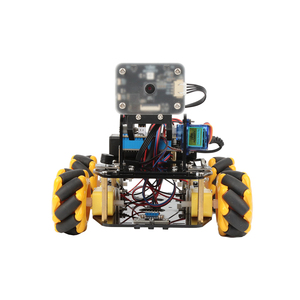
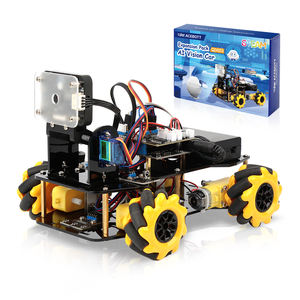
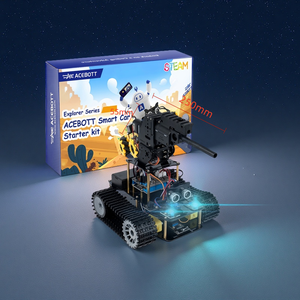

 1/3
1/3



 1/3
1/3



 1/1
1/1

 1/3
1/3



 1/3
1/3




 1/3
1/3



 1/1
1/1


 1/3
1/3


 1/16
1/16


 1/3
1/3


 1/3
1/3


 1/9
1/9







 1/1
1/1
About ai learning course
Where to Find AI Learning Course Suppliers?
The global market for AI learning course development is primarily driven by specialized edtech firms and training content providers concentrated in technology hubs across Asia, North America, and Eastern Europe. China’s Shenzhen and Hangzhou regions lead in scalable digital education production, supported by robust IT infrastructure and a dense talent pool in artificial intelligence and instructional design. These clusters enable rapid course deployment with integrated multimedia assets, interactive modules, and adaptive learning frameworks.
Suppliers in these zones benefit from vertically aligned production ecosystems that combine AI model integration, video production studios, LMS (Learning Management System) compatibility testing, and multilingual localization services—all within tightly coordinated networks. This integration reduces development lead times by 25–40% compared to fragmented outsourcing models. Buyers gain access to standardized yet customizable curricula covering machine learning, neural networks, natural language processing, and computer vision, with typical monthly output ranging from 10 to 50 course hours per team. Most suppliers utilize cloud-based authoring tools such as Articulate 360 or Adobe Captivate, ensuring SCORM/xAPI compliance for seamless enterprise integration.
How to Choose AI Learning Course Suppliers?
Prioritize these verification protocols when selecting partners:
Content Quality & Technical Compliance
Verify adherence to recognized educational standards such as IEEE LOM (Learning Object Metadata) or ISO/IEC 19796-1 for e-learning systems. For corporate clients, confirm alignment with industry benchmarks like Google's Machine Learning Crash Course structure or AWS Training accreditation frameworks. Request sample modules with embedded assessments and analytics dashboards to evaluate pedagogical effectiveness.
Production Capability Audits
Assess operational capacity through the following indicators:
- Minimum team size of 15 specialists, including AI curriculum designers, data scientists, and multimedia developers
- Proven experience delivering SCORM-compliant courses compatible with major LMS platforms (e.g., Moodle, Blackboard, Cornerstone)
- In-house capabilities for video scripting, voice-over localization (supporting ≥5 languages), and quiz engine development
Cross-reference project portfolios with client testimonials focusing on course completion rates and knowledge retention metrics.
Transaction Safeguards
Implement milestone-based payment structures tied to module delivery and review cycles. Require source file handover upon final payment to ensure long-term editability. Conduct pilot tests with a single course unit before scaling—evaluate user engagement duration, assessment pass rates, and UI responsiveness across devices. Prioritize suppliers who provide post-delivery support for updates aligned with evolving AI frameworks (e.g., TensorFlow, PyTorch).
What Are the Best AI Learning Course Suppliers?
| Company Name | Location | Years Operating | Staff | Monthly Output | On-Time Delivery | Avg. Response | Ratings | Reorder Rate |
|---|
Performance Analysis
Due to absence of verifiable supplier data, procurement decisions should emphasize direct capability validation. Focus on firms demonstrating structured development workflows, documented quality assurance processes, and prior success in deploying technical training at scale. Suppliers with dedicated AI subject matter experts (SMEs) and agile revision protocols typically achieve higher client retention. Where available, prioritize vendors with ≥95% on-time delivery performance and formal ISO 29110 certification for software lifecycle management in educational technology projects.
FAQs
How to verify AI learning course supplier reliability?
Request third-party audit reports detailing content development methodologies, SME qualifications, and version control practices. Validate claims through case studies showing measurable learning outcomes—such as pre/post-assessment score improvements or certification pass-through rates. Confirm data privacy compliance (GDPR, CCPA) if handling employee training records.
What is the average sampling timeline?
A standard course module (1–2 hours of instruction with quizzes) takes 10–20 days to develop for review. Complex offerings involving simulations, coding labs, or AI-driven personalization extend timelines to 30–45 days. Allow additional time for translation and accessibility adjustments if required.
Can suppliers deliver globally?
Yes, digital delivery enables worldwide distribution. Confirm file format compatibility (MP4, HTML5, SCORM packages) and bandwidth optimization for low-connectivity regions. Reputable suppliers offer LMS integration support and multi-region hosting options to reduce latency.
Do suppliers provide free samples?
Most suppliers offer limited demo content (e.g., one lesson or trailer video) at no cost. Full-unit samples may require nominal fees, typically waived upon contract signing for comprehensive programs exceeding 20 hours of content.
How to initiate customization requests?
Submit detailed learning objectives, target audience profiles, prerequisite knowledge levels, and preferred delivery formats (self-paced, instructor-led hybrid). Specify technical depth—such as inclusion of Python notebooks, Jupyter integration, or real-time model training exercises. Leading suppliers respond with curriculum maps and storyboards within 5–7 business days.





