Android Version List




 1/2
1/2




 1/3
1/3



 0
0






 0
0


 1/1
1/1


 1/1
1/1





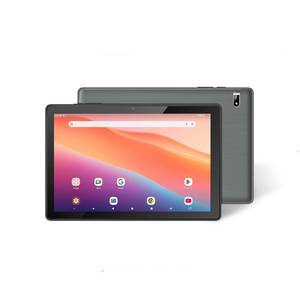

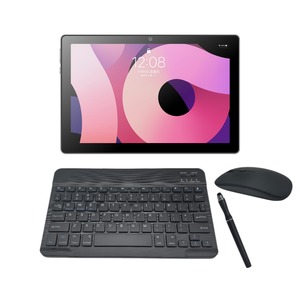

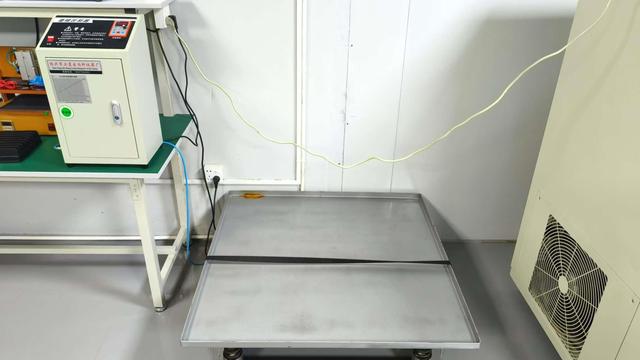


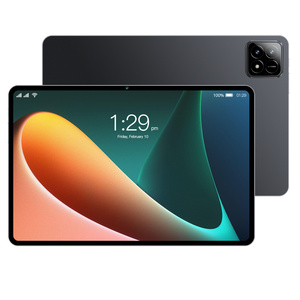
 0
0


 1/2
1/2



 1/3
1/3



 1/32
1/32



 1/17
1/17


 1/3
1/3


 0
0


 1/3
1/3



 0
0



 1/3
1/3




 1/3
1/3

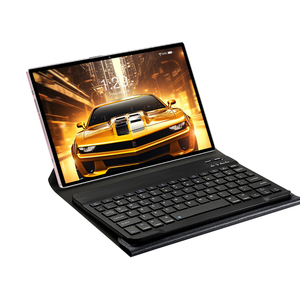

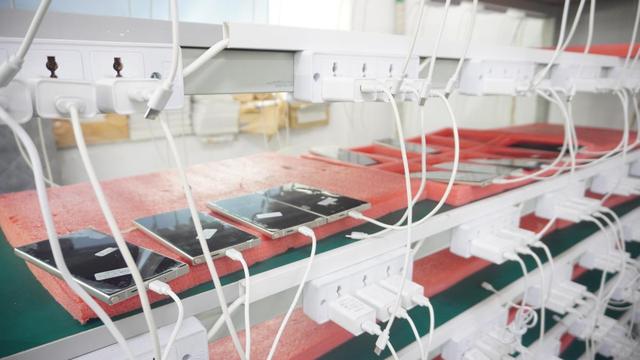 1/15
1/15
About android version list
Where to Source Android OS Version-Compatible Devices?
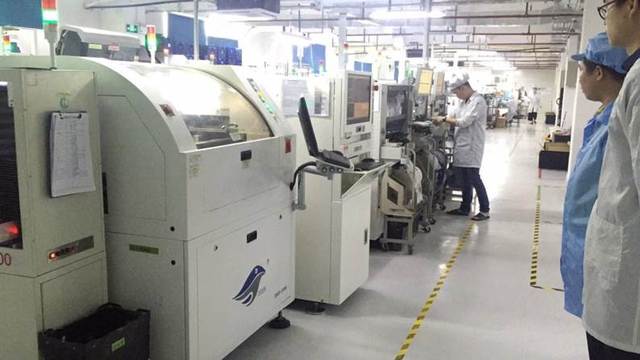
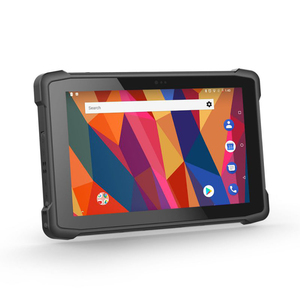
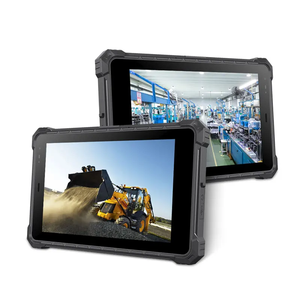
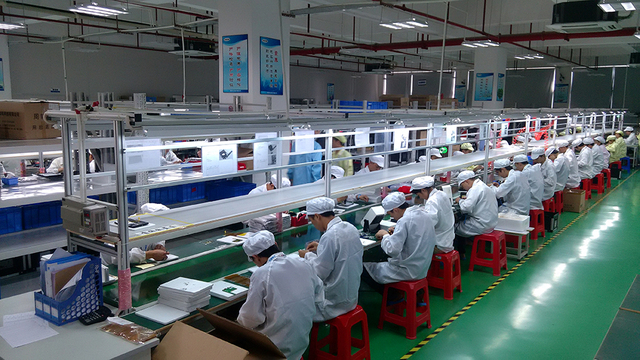
China remains the central hub for manufacturing Android-based consumer electronics, with key production clusters in Shenzhen and Guangzhou driving innovation and volume output. These regions host vertically integrated supply chains that span chipset procurement, PCB assembly, firmware integration, and final device testing. Shenzhen’s Huaqiangbei ecosystem enables rapid prototyping and low MOQ fulfillment, while Guangzhou offers cost-efficient mass production through consolidated logistics and component sourcing networks.
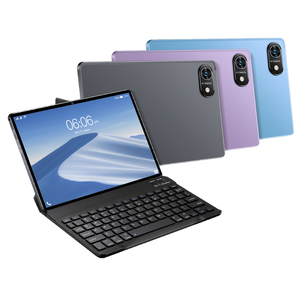
The concentration of OEMs and ODMs in these zones supports flexible production models—from small-batch customized tablets to large-volume set-top boxes running specific Android OS versions. Suppliers leverage localized access to Rockchip, Amlogic, and MediaTek SoCs to configure devices supporting Android 5.1 up to Android 15. This infrastructure reduces time-to-market by 20–30% compared to offshore alternatives and allows for firmware customization tailored to regional compliance or application requirements.
How to Evaluate Android OS Device Suppliers?
Procurement decisions should be guided by three core evaluation criteria:
Firmware and Hardware Compatibility
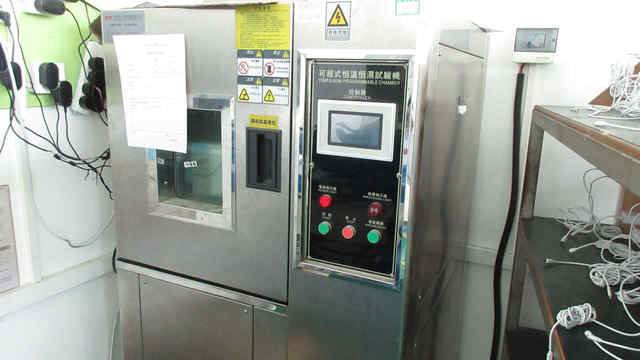
Confirm supplier capability to deliver devices preloaded with a specific Android OS version (e.g., Android 11, 14, or 15). Verify long-term firmware support policies, especially for commercial deployments requiring security updates. Request build number traceability and Google Mobile Services (GMS) certification where applicable.
Production and Customization Capacity
Assess technical flexibility through available configuration options:
- Support for RAM/ROM variants (1GB–8GB RAM; 8GB–128GB storage)
- Display size range (7”–14”) and resolution scalability
- Custom branding (logo, packaging, boot screen)
- OS-level modifications (default launcher, app preloads, kiosk mode)
Prioritize suppliers offering documented customization workflows and SDK access for enterprise integration.
Quality Assurance and Transaction Reliability
Evaluate on-time delivery performance (target ≥96%) and response efficiency (≤3 hours). Review transactional data such as reorder rates and verified revenue as indicators of market trust. For regulated markets, ensure compliance with CE, FCC, or RoHS standards is documented. Use secure payment structures—such as escrow—to mitigate risk until product validation is complete.
What Are the Leading Android OS Device Suppliers?
| Company Name | Main Products | Key Android Versions | Min. Order Quantity | Price Range (USD) | On-Time Delivery | Avg. Response Time | Reorder Rate | Online Revenue |
|---|---|---|---|---|---|---|---|---|
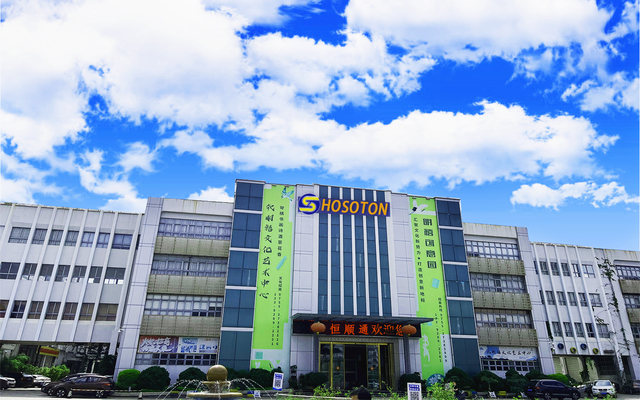
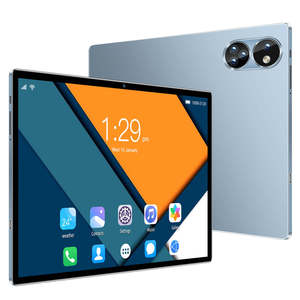
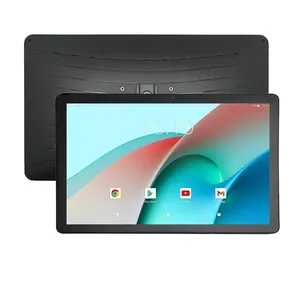
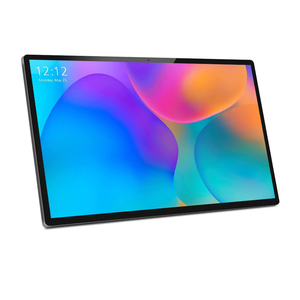
| Shenzhen Hosoton Technology Co., Ltd. | Tablet PC, Mobile POS, Cash Register, Thermal Printers | Android 11, 14, 15 | 1–1000 pcs | $55–$249 | 96% | ≤2h | 15% | US $260,000+ |
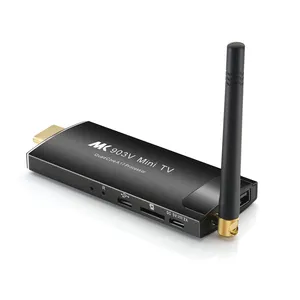
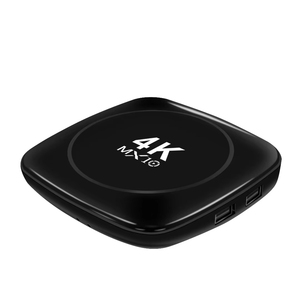
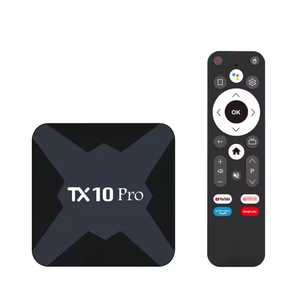
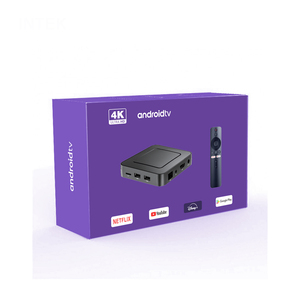
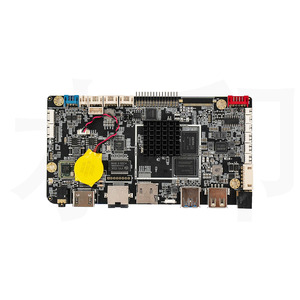
| Shenzhen Giantsmart Technology Co., Ltd. | Motherboards, Set-top Boxes, TV Sticks, Industrial PCs | Android 5.1, 7.1, 11, 15 | 2–10 pcs | $65–$380 | 100% | ≤3h | <15% | US $3,000+ |
| Guangzhou Fengyi Trading Co., Ltd. | Set-top Boxes, TV Boxes, Motherboards | Android 9–11 (Global Versions) | 1 pc | $5–$30 | 62% | ≤3h | <15% | US $700+ |
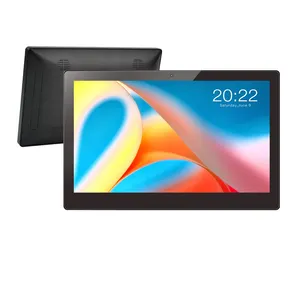
| Shenzhen AOGO Trading Co., Ltd. | Tablets (8”–14”), Customizable Models | Android 8, 12 | 1–10 pcs | $38–$138 | 88% | ≤3h | 19% | US $530,000+ |
| Shenzhen Yongsheng Xinda Technology Co., Ltd. | Commercial Tablets, 5G Smartphones | Android 10–12 | 1 pc | $40–$50 | 100% | ≤1h | <15% | US $80,000+ |
Performance Analysis
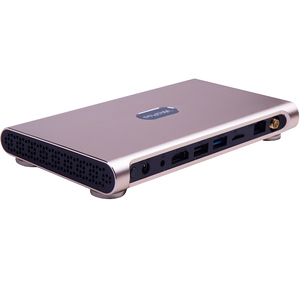
Shenzhen-based suppliers dominate responsiveness and delivery consistency, with two achieving 100% on-time fulfillment. Shenzhen AOGO leads in aftermarket satisfaction with a 19% reorder rate and broad customization capabilities across display size, memory, and OS parameters. While Guangzhou Fengyi offers the lowest entry MOQ (1 piece), its 62% on-time delivery rate presents logistical risk for time-sensitive deployments. Giantsmart stands out for industrial-grade offerings, including RK3588-powered mini PCs running Android 15, suitable for digital signage or embedded applications. Buyers seeking high-volume POS or tablet deployments should prioritize partners with proven track records above 90% on-time delivery and dedicated R&D teams capable of firmware-level adjustments.
FAQs
How to verify Android OS version authenticity?
Request factory-issued system build logs and conduct on-device verification via settings menu or ADB commands. Cross-check firmware signatures against official Android Open Source Project (AOSP) repositories when possible. Independent lab testing can validate update mechanisms and GMS compatibility.
What is the typical lead time for bulk orders?
Standard orders (1,000+ units) require 25–35 days from confirmation to shipment. Pre-production samples take 7–14 days. Lead times may extend for custom firmware builds or components under global semiconductor constraints.
Can suppliers provide devices with older Android versions?
Yes, several suppliers maintain inventory or reflash capabilities for legacy versions (e.g., Android 5.1, 7.1) used in industrial or educational systems. Confirm driver compatibility and security patch status before integration into live environments.
Do manufacturers offer free samples?
Sample availability varies. Some suppliers provide paid samples refundable against future orders. Units priced below $30 often incur full sample costs, while higher-value devices (e.g., $165+) may require partial deposits. Free samples are typically reserved for qualified buyers with established purchase intent.
How to manage firmware updates post-deployment?
Negotiate OTA update support or local flash tool access during procurement. Ensure suppliers document kernel versions and bootloader unlock policies. For enterprise use, request APIs for remote device management and update scheduling.





