Android Os List







 0
0

 1/3
1/3


 1/3
1/3




 1/3
1/3


 0
0



 1/3
1/3

 1/3
1/3


 0
0








 1/10
1/10




 1/3
1/3




 1/3
1/3




 1/3
1/3


 1/3
1/3


 1/23
1/23


 1/13
1/13


 0
0


 1/3
1/3


 1/3
1/3


 1/2
1/2


 0
0
About android os list
Where to Find Android OS List Suppliers?
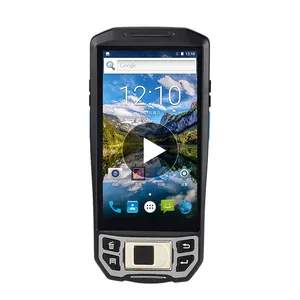
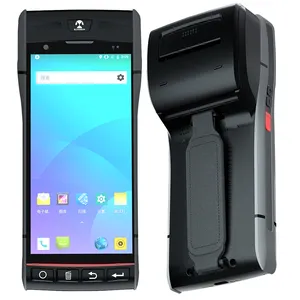
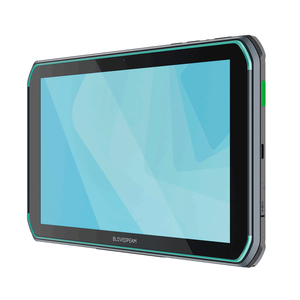
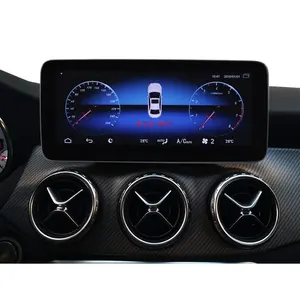
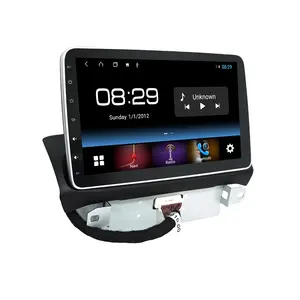
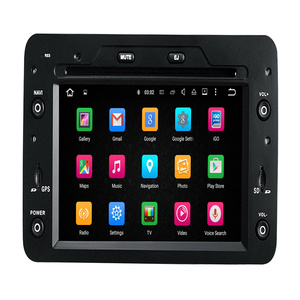
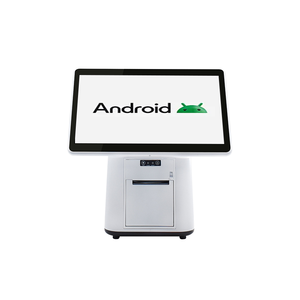
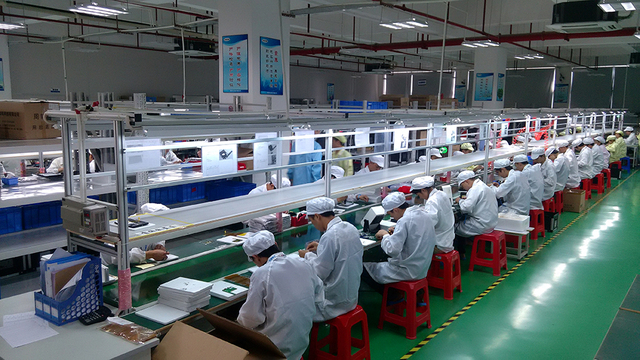
The global supply landscape for devices and systems featuring an Android OS list is primarily centered in East Asia, with China, South Korea, and Taiwan representing core manufacturing hubs. These regions host vertically integrated electronics ecosystems capable of delivering both consumer-grade and industrial Android-powered solutions. China accounts for over 70% of global Android device production, supported by dense clusters in Guangdong (notably Shenzhen) and Jiangsu provinces. Shenzhen’s Huaqiangbei district alone supports more than 20,000 electronics component and assembly suppliers, enabling rapid prototyping and scalable deployment of Android-based hardware.
These industrial zones benefit from mature printed circuit board (PCB) fabrication, surface-mount technology (SMT) lines, and firmware integration capabilities, allowing manufacturers to pre-install and customize Android OS versions—from Android 10 to Android 14—based on client specifications. Integrated logistics networks facilitate air and sea freight consolidation, with average export lead times ranging from 15 to 30 days. Buyers gain access to flexible production models: low-volume runs (MOQ 50–100 units) for niche applications such as kiosks or medical terminals, and high-volume capacity (up to 50,000+ units/month) for mass-market tablets or smart displays.
How to Choose Android OS List Suppliers?
Procurement decisions should be guided by systematic evaluation of technical, operational, and compliance criteria:
Software Compliance & Certification
Confirm supplier adherence to Google Mobile Services (GMS) licensing requirements if GMS-enabled devices are required. For non-GMS deployments (e.g., custom ROMs), verify compatibility with Android Open Source Project (AOSP) standards. Prioritize partners providing documented OS version support matrices, security patch update schedules, and bootloader unlock policies. CE, FCC, and RoHS certifications are mandatory for market entry in Europe and North America.
Production and Firmware Capabilities
Assess key infrastructure indicators:
- Minimum 3,000m² cleanroom facility with ESD-protected SMT lines
- In-house software flashing stations supporting batch OS imaging (≥500 units/day)
- Firmware customization capability including UI skinning, bloatware removal, and enterprise policy integration
Validate through factory audit reports or video walkthroughs showing actual flashing and burn-in testing procedures.
Quality Assurance and Transaction Security
Require ISO 9001-certified quality management systems and IEC 60950 safety compliance for power components. Insist on third-party inspection protocols (e.g., SGS or TÜV) prior to shipment. Utilize secure payment mechanisms such as letter of credit (L/C) or escrow services for initial orders. Pre-shipment testing should include boot cycle validation, OTA update simulation, and thermal stress testing under continuous operation (minimum 72 hours).
What Are the Best Android OS List Suppliers?
| Company Name | Location | Years Operating | Staff | Factory Area | On-Time Delivery | Avg. Response | Ratings | Reorder Rate |
|---|---|---|---|---|---|---|---|---|
| Supplier data currently unavailable | ||||||||
Performance Analysis
Due to absence of available supplier data, performance benchmarking cannot be conducted at this time. However, industry benchmarks indicate that leading Android OS suppliers typically maintain on-time delivery rates above 97%, with response times under 4 hours. Top-tier manufacturers offer dedicated firmware engineers (comprising ≥12% of technical staff) and support multi-language localization, Knox/MDM integration, and long-term OS maintenance (up to 3 years). Buyers should prioritize suppliers with documented experience in target application sectors—such as retail POS, industrial automation, or education—to ensure alignment with use-case-specific requirements.
FAQs
How to verify Android OS list supplier reliability?
Validate certifications (ISO 9001, CE, FCC) through issuing bodies and request audit trails for firmware builds. Obtain references from existing clients in similar verticals. Evaluate online transaction histories and dispute resolution records where available. Conduct remote or on-site factory audits to confirm SMT line ownership and software flashing controls.
What is the typical lead time for Android OS device orders?
Standard orders require 20–35 days from order confirmation to shipment, depending on MOQ and customization level. Sample units ship within 7–14 days. Additional time (10–15 days) may be needed for full regulatory compliance testing and documentation preparation.
Can suppliers provide customized Android OS configurations?
Yes, most established suppliers support AOSP-based customization including launcher modifications, auto-start app provisioning, disabled system functions, and private GMS enrollment. Minimum order quantities for full customization typically start at 500 units. Turnaround for custom firmware development is 2–4 weeks following specification finalization.
Do manufacturers offer OS version guarantees?
Reputable suppliers provide written OS version commitments at time of order, specifying exact Android version (e.g., Android 13.0, kernel 5.10) and patch level (e.g., January 2024). Long-term support options (with security updates) should be negotiated separately, particularly for embedded or fixed-function deployments.
Are free samples available for testing?
Sample availability depends on unit value and configuration. Suppliers often waive fees for standard-configured samples when followed by volume orders (typically ≥200 units). For high-end or customized units, expect sample costs covering 40–60% of unit price, refundable against future purchase.





