




List Of Android Operating Systems









 0
0


 0
0


 1/3
1/3


 0
0



 0
0


 1/1
1/1



 1/1
1/1



 1/3
1/3




 1/23
1/23




 1/13
1/13


 1/3
1/3



 1/3
1/3





 1/23
1/23



 1/3
1/3


 1/3
1/3





 1/1
1/1


 1/2
1/2

 1/3
1/3





 1/10
1/10




About list of android operating systems
Where to Find Android Operating Systems Suppliers?
Android operating systems are developed and distributed primarily by technology conglomerates and software development firms, with major innovation hubs concentrated in the United States, China, South Korea, and India. Unlike physical machinery, Android OS sourcing involves licensing agreements, open-source integration, or定制化 development services rather than traditional manufacturing. The core Android Open Source Project (AOSP) is maintained by Google, enabling global access to base-level code for device manufacturers and developers.
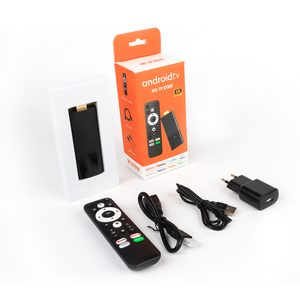
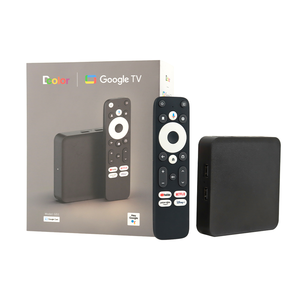
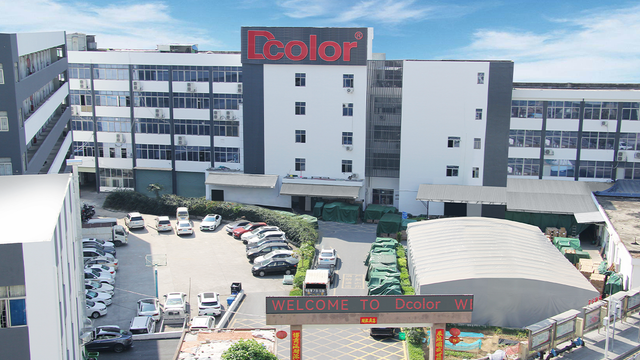
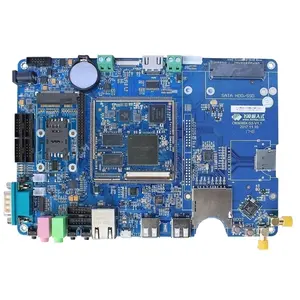
Regions such as Shenzhen, China, serve as critical nodes for hardware-software integration, where OEMs and ODMs customize AOSP for consumer electronics including smartphones, tablets, smart TVs, and IoT devices. These ecosystems benefit from proximity to component suppliers and firmware engineers, allowing rapid prototyping and deployment. Indian and Eastern European tech centers specialize in enterprise-grade Android customizations, offering cost-efficient development labor and compliance expertise for regional data regulations such as GDPR or PDPA.
How to Choose Android Operating Systems Suppliers?
Procurement decisions must focus on technical governance, compliance frameworks, and development capabilities:
Licensing & Compliance Verification
Confirm whether the supplier provides AOSP-based builds only or includes Google Mobile Services (GMS) licensing. GMS certification is mandatory for devices accessing Google Play, Gmail, and Maps. For markets restricting U.S.-based software, verify compliance with local regulatory standards, particularly in China, Russia, and Iran. Ensure adherence to security protocols such as Android Compatibility Definition Document (CDD) and regular security patch updates aligned with Google’s bulletin cycle.
Development & Customization Capacity
Assess supplier qualifications based on:
- Proven experience in kernel modification, driver integration, and UI skinning
- Team size with documented Android framework expertise (minimum 15+ senior developers recommended for large-scale deployments)
- Track record in OTA update management and bootloader signing processes
Review version control systems and testing environments—CI/CD pipelines should support automated regression testing across multiple device profiles.
Intellectual Property & Transaction Safeguards
Require legal documentation outlining IP ownership of customized builds, especially when modifying low-level system components. Use escrow arrangements for source code delivery upon milestone completion. Prioritize partners who provide third-party audit trails for code integrity and vulnerability assessments using tools like Checkmarx or SonarQube.
What Are the Best Android Operating Systems Suppliers?
No verified suppliers listed.
Performance Analysis
In absence of specific supplier data, procurement strategies should emphasize due diligence through technical validation and pilot projects. Leading vendors typically demonstrate consistent release cycles, compliance with Android Enterprise Recommended standards, and participation in Google’s partnership programs. Evaluate responsiveness via documented support SLAs (target ≤4 hours for critical bug resolution) and availability of documentation for APIs, BSPs, and debugging interfaces.
FAQs
How to verify Android OS supplier reliability?
Audit software development practices, including use of secure coding standards and penetration testing history. Validate references from existing clients deploying similar device categories. Confirm participation in official Android ecosystem programs such as Google Play Console enrollment or Android Enterprise certification.
What is the average timeline for a customized Android build?
Basic AOSP customization (UI, pre-installed apps) takes 6–8 weeks. Full-stack modifications involving kernel optimization, proprietary driver integration, and certification require 12–20 weeks. Add 4 weeks for compliance testing and OTA infrastructure setup.
Can suppliers deliver globally compliant Android versions?
Yes, qualified developers can tailor OS images to meet regional requirements—including language localization, encryption policies, and app store integrations (e.g., Huawei AppGallery in place of GMS). Confirm experience with export-controlled technologies and adherence to Wassenaar Arrangement guidelines on surveillance software.
Do suppliers offer free development samples?
Sample builds are typically provided at no cost during evaluation phases, but full access to source code or binaries may require NDA execution. Pilot licenses often cover up to three device models; volume deployment incurs per-unit or annual licensing fees.
How to initiate customization requests?
Submit detailed technical specifications including target hardware SoC, required APIs, desired UI/UX framework, security policies (e.g., disk encryption, biometric authentication), and update frequency. Reputable suppliers respond with architecture diagrams, development roadmap, and compatibility matrix within five business days.





