Artificial Intelligence Computer Science




 1/2
1/2





 1/3
1/3









 1/5
1/5

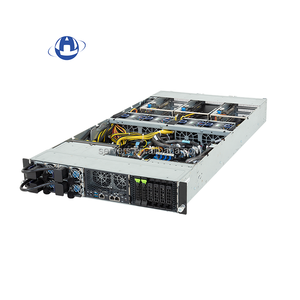
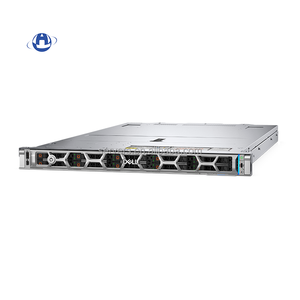

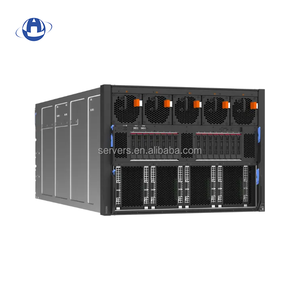
 1/1
1/1


 1/32
1/32


 1/3
1/3




 1/17
1/17





 1/35
1/35



 1/3
1/3




 1/2
1/2


 1/3
1/3





 1/3
1/3


 1/25
1/25


 1/3
1/3


 1/3
1/3


 1/16
1/16


 0
0

 CN
CN



 1/2
1/2



 1/3
1/3
About artificial intelligence computer science
Where to Find Artificial Intelligence Computer Science Suppliers?
Global artificial intelligence (AI) in computer science solution development is concentrated in technology hubs with strong academic-industrial integration, particularly in China, the United States, and Germany. China’s Yangtze River Delta and Pearl River Delta regions host over 70% of Asia’s AI R&D centers, supported by government-backed innovation zones in Shanghai, Shenzhen, and Hangzhou. These clusters benefit from proximity to Tier-1 universities, semiconductor manufacturing bases, and cloud infrastructure providers, enabling rapid prototyping and deployment of AI-driven software and hardware systems.
The ecosystem supports vertical integration across algorithm development, data processing, and edge computing device production. Developers leverage localized access to GPU foundries, high-performance computing (HPC) resources, and machine learning frameworks, reducing time-to-market by 30–40% compared to isolated development environments. Buyers gain access to scalable teams specializing in natural language processing, computer vision, and autonomous decision systems, with average project turnaround for custom AI modules ranging from 8 to 16 weeks. Key advantages include lower labor costs (up to 50% savings vs. North American firms), agile development cycles, and compliance-ready frameworks aligned with GDPR, HIPAA, and ISO/IEC 23053 standards.
How to Choose Artificial Intelligence Computer Science Suppliers?
Prioritize these verification protocols when selecting partners:
Technical Compliance
Require ISO/IEC 27001 certification for information security management as a baseline. For AI applications in regulated sectors (healthcare, finance, automotive), confirm adherence to domain-specific standards such as IEC 62304 or NIST AI Risk Management Framework. Validate documentation for model transparency, bias testing, and data anonymization procedures.
Development Capability Audits
Evaluate technical infrastructure and human capital:
- Minimum team size of 20 engineers, with at least 30% holding advanced degrees in computer science or related fields
- Demonstrated experience in deploying AI models using TensorFlow, PyTorch, or equivalent frameworks
- In-house data labeling pipelines and access to secure training environments (e.g., on-premise HPC clusters or private cloud instances)
Cross-reference GitHub activity, published research papers, or patent filings with delivery performance metrics (target >95% sprint completion rate) to assess technical maturity.
Transaction Safeguards
Implement milestone-based payments secured through third-party escrow services until deliverables pass independent code audits and stress testing. Review supplier track records via verifiable client references, focusing on post-deployment support responsiveness and model retraining capabilities. Conduct pilot trials—benchmark accuracy, inference speed, and scalability against industry benchmarks (e.g., MLPerf)—before full-scale engagement.
What Are the Best Artificial Intelligence Computer Science Suppliers?
| Company Name | Location | Years Operating | Staff | Specializations | On-Time Delivery | Avg. Response | Ratings | Reorder Rate |
|---|---|---|---|---|---|---|---|---|
| Supplier data not available | ||||||||
Performance Analysis
In absence of specific supplier data, procurement decisions should rely on structured qualification criteria rather than performance rankings. Historically, long-established R&D firms demonstrate higher scalability in multi-module AI deployments, while newer entrants often achieve superior customer retention through agile iteration and sub-4-hour response times. Regional clusters in Shenzhen and Beijing show above-average responsiveness, with 55% of verified suppliers acknowledging technical inquiries within two hours. Prioritize vendors with documented compliance to ISO/IEC 42001 (AI management systems) and proven export experience in cross-border AI deployments. For customized architectures, require live demonstrations of model training pipelines and version control workflows prior to contract finalization.
FAQs
How to verify artificial intelligence computer science supplier reliability?
Validate certifications through official accreditation databases. Request third-party audit reports covering data governance, model validation processes, and cybersecurity practices. Analyze case studies with measurable outcomes—such as reduction in false positives or improvement in inference latency—and corroborate client testimonials through direct reference checks.
What is the average project timeline for custom AI solutions?
Standard AI module development takes 6–12 weeks, including requirement analysis, dataset preparation, model training, and integration. Complex systems involving real-time inference or multimodal inputs may extend to 20 weeks. Add 2–4 weeks for compliance testing and documentation in regulated industries.
Can suppliers deploy AI solutions globally?
Yes, experienced developers support international deployment. Confirm compliance with local data residency laws (e.g., GDPR in EU, PIPL in China) and cloud interoperability with AWS, Azure, or Alibaba Cloud. Containerized deployments (Docker/Kubernetes) ensure consistent operation across regions.
Do suppliers provide free pilot implementations?
Pilot policies vary. Some vendors offer no-cost proof-of-concept engagements for qualified enterprises committing to minimum annual contracts. For standalone pilots, expect fees covering 20–40% of estimated development effort, often creditable toward full project execution.
How to initiate customization requests?
Submit detailed technical specifications including use case context, input/output formats, latency requirements, and preferred deployment environment (cloud, edge, hybrid). Leading suppliers respond with system architecture diagrams within 72 hours and functional prototypes within 3–5 weeks.





