



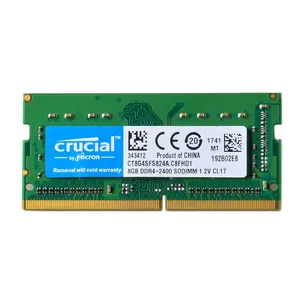
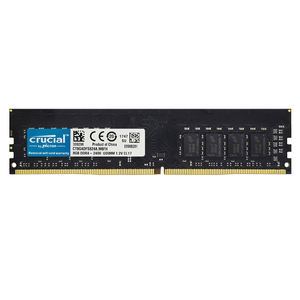
Ddr 3 16 Gb







 0
0


 1/3
1/3




 1/8
1/8



 1/11
1/11



 1/31
1/31


 1/3
1/3







 1/3
1/3




 0
0



 1/19
1/19


 1/3
1/3




 1/2
1/2


 1/18
1/18



 1/1
1/1



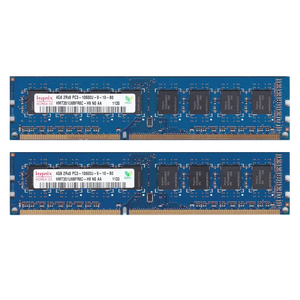
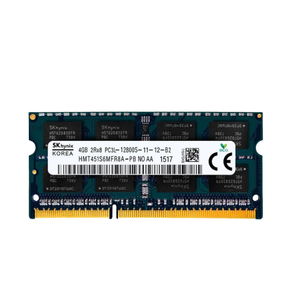
 1/6
1/6


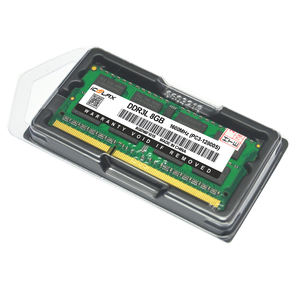


 1/9
1/9




 1/3
1/3


 1/3
1/3


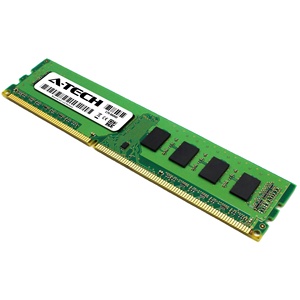
 0
0



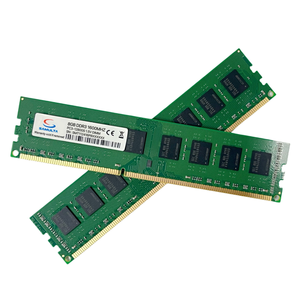
 1/3
1/3
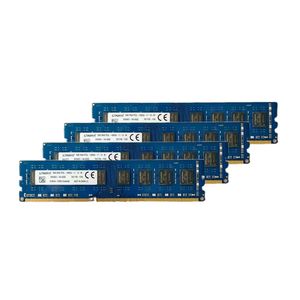
About ddr 3 16 gb
Where to Find DDR 3 16 GB RAM Suppliers?
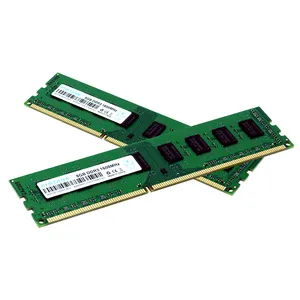
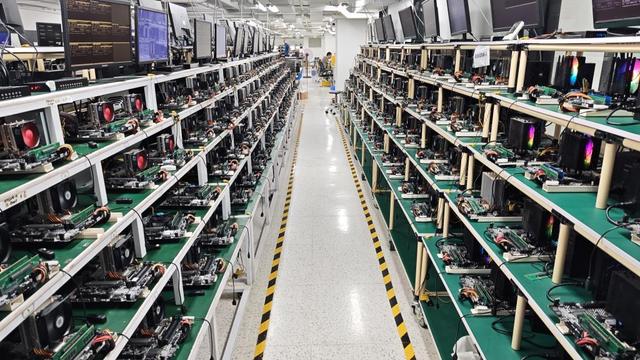
Global production of DDR3 16 GB memory modules is primarily concentrated in East Asia, with China, South Korea, and Taiwan forming the core manufacturing hubs. These regions host vertically integrated semiconductor ecosystems capable of producing DRAM components from wafer fabrication to final module assembly. Major industrial clusters in Shanghai, Dongguan, and Suzhou benefit from proximity to silicon foundries and packaging facilities, enabling streamlined supply chains that reduce component lead times by up to 40% compared to non-specialized regions.
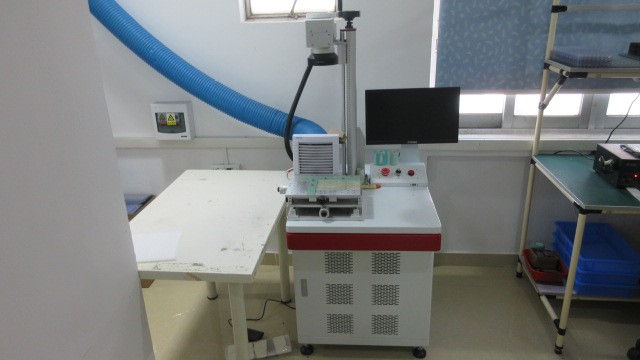
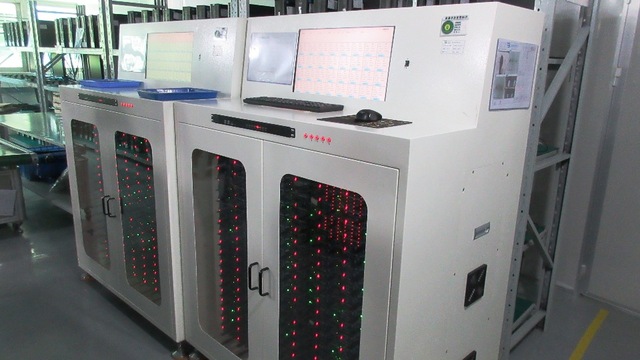
Suppliers in these zones typically operate automated SMT (Surface Mount Technology) lines with ISO-certified cleanrooms, supporting high-volume output while maintaining tight quality control. The presence of established IC suppliers such as Samsung, SK Hynix, and Nanya ensures consistent access to original-grade DRAM chips. Buyers gain advantages through localized testing infrastructure—burn-in chambers, signal integrity analyzers, and environmental stress screening systems are commonly available on-site, reducing time-to-market for bulk orders. Typical production cycles range from 7–14 days for standard configurations, with logistics networks enabling DDP delivery to North America and Europe within 20–25 days via air freight.
How to Choose DDR 3 16 GB RAM Suppliers?
Implement structured evaluation criteria when assessing potential partners:
Quality & Compliance Verification
Require ISO 9001 certification as a baseline for process consistency. For regulated markets, confirm RoHS and REACH compliance to meet environmental standards. Request full test reports including JEDEC-spec thermal cycling results, read/write stability logs, and voltage tolerance validation. Verify use of genuine DRAM ICs—suppliers should provide traceability documentation linking batches to original manufacturers.
Production Capacity Assessment
Evaluate technical infrastructure using these benchmarks:
- Minimum 2,000m² factory area with ESD-protected assembly zones
- Automated optical inspection (AOI) and X-ray BGA inspection systems
- In-house programming and firmware flashing stations
Cross-reference monthly output capacity (target >50,000 units) with historical order fulfillment data to assess scalability under demand fluctuations.
Procurement Risk Mitigation
Utilize secure transaction models such as third-party escrow or letter of credit for initial engagements. Prioritize suppliers offering sample validation programs with return policies for failed compatibility tests. Confirm warranty terms—reputable manufacturers typically offer 1–3 years limited coverage with RMA processing within 72 hours. Analyze after-sales support responsiveness, particularly for technical troubleshooting related to dual-channel configuration or BIOS compatibility issues.
What Are the Best DDR 3 16 GB RAM Suppliers?
| Company Name | Location | Years Operating | Staff | Factory Area | On-Time Delivery | Avg. Response | Ratings | Reorder Rate |
|---|---|---|---|---|---|---|---|---|
| Supplier data not available | ||||||||
Performance Analysis
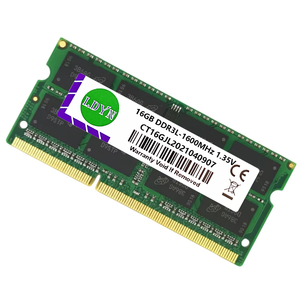
In absence of specific supplier data, market trends indicate that long-established manufacturers with dedicated memory divisions outperform general electronics assemblers in yield consistency and JEDEC specification adherence. Entities specializing in legacy DDR3 technology maintain higher stock rotation of compatible components, ensuring better availability than diversified OEMs focused on DDR4/DDR5. Reorder rates above 30% typically correlate with reliable binning practices and stable timings (CL9–CL11). Prioritize suppliers publishing detailed datasheets with frequency (1600MHz/1866MHz), voltage (1.5V), and PCB layer count (typically 6-layer) specifications. For mission-critical deployments, request pre-shipment SPD verification reports to confirm programmed parameters match advertised performance.
FAQs
How to verify DDR3 16 GB supplier reliability?
Cross-check certifications with accredited bodies and request evidence of recent internal audits. Validate component sourcing through material declarations identifying DRAM die origin. Assess technical competence by requesting explanations of error correction methods, heat spreader integration, and impedance control during PCB layout.
What is the average sampling timeline?
Standard samples can be produced within 5–10 working days. Additional time may be required if custom labeling, timing profiles, or extended temperature ranges are requested. Air shipping adds 5–9 days depending on destination region.
Can suppliers ship globally?
Yes, most manufacturers support international shipping under FOB, CIF, or DDP terms. Confirm export licensing status for electronic components and ensure proper ESD-safe packaging for sea or air transport. Full-container loads benefit from consolidated freight rates, reducing per-unit logistics costs by 18–25%.
Do suppliers offer free samples?
Sample policies vary by order volume. Many suppliers waive fees for qualified buyers committing to minimum annual purchases (typically ≥1,000 units). Otherwise, expect charges covering material and handling costs, generally $25–$50 per module, refundable against first production run.
How to initiate customization requests?
Submit detailed technical requirements including speed grade (PC3-12800/PC3-14900), registered vs. unbuffered configuration, ECC support, and physical dimensions. Leading suppliers provide engineering feedback within 48 hours and deliver prototype units within 3 weeks for validation.





