Delete Key Shortcut




 1/3
1/3



 0
0


 1/3
1/3


 1/3
1/3


 1/1
1/1



 1/1
1/1


 1/3
1/3



 1/1
1/1




 1/3
1/3




 1/40
1/40




 1/1
1/1





 1/23
1/23


 1/3
1/3





 1/30
1/30

 1/2
1/2




 1/3
1/3


 1/3
1/3


 1/3
1/3



 1/3
1/3


 1/3
1/3
About delete key shortcut
Where to Find Delete Key Shortcut Suppliers?
No verified suppliers currently specialize in manufacturing or distributing products explicitly categorized as "delete key shortcut" devices. The term typically refers to a keyboard function rather than a standalone hardware product, limiting dedicated industrial production. As such, no concentrated manufacturing clusters—such as those seen in machinery or electronics hubs in China—have emerged for this specific classification. Procurement professionals seeking related input device solutions (e.g., programmable keyboards, ergonomic keypads, or custom key switches) may explore broader categories within consumer electronics or human interface device (HID) manufacturing zones, particularly in Guangdong and Jiangsu provinces.
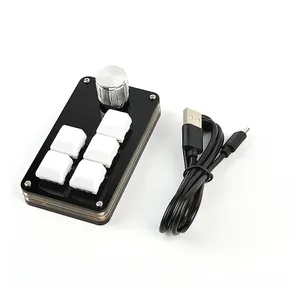
In these regions, vertically integrated supply chains support rapid prototyping and assembly of compact electronic components, including mechanical switches and microcontroller-based key remapping tools. While not directly labeled as "delete key shortcut" providers, certain OEMs offer customization services for key functionality, enabling reprogramming of keys such as the delete button via firmware-level modifications. Lead times for sample development in this segment average 20–35 days, with mass production cycles ranging from 45 to 60 days depending on order complexity and component availability.
How to Choose Delete Key Shortcut Suppliers?
Given the absence of dedicated suppliers, buyers should focus on evaluating manufacturers offering customizable input devices with remappable key capabilities:
Technical Compliance
Ensure potential partners comply with relevant electronics safety and environmental standards, including ISO 9001 for quality management, CE marking for EU market access, FCC Part 15 for electromagnetic compatibility in the U.S., and RoHS compliance for hazardous substance restrictions. For any embedded software enabling shortcut remapping, request documentation on firmware stability and compatibility with major operating systems (Windows, macOS, Linux).
Production Capability Audits
Assess supplier infrastructure based on:
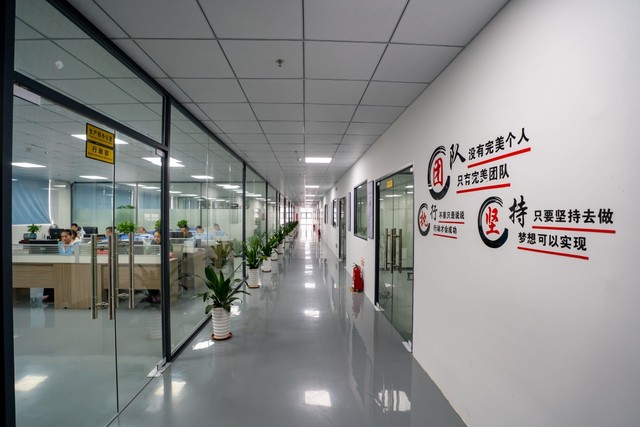
- Minimum 3,000m² facility size with SMT (surface-mount technology) production lines
- Demonstrated experience in HID product development (keyboards, hotkey panels, macro pads)
- In-house design teams capable of circuit layout and firmware programming
Validate technical capacity through prototype delivery timelines and responsiveness to engineering queries, targeting sub-24-hour communication windows.
Transaction Safeguards
Utilize secure payment structures such as letter of credit (L/C) or escrow arrangements until product validation is complete. Prioritize suppliers with verifiable export histories to North America and Europe, particularly those experienced in navigating customs classifications for electronic peripherals. Pre-shipment testing should include key actuation durability (target: ≥5 million presses per switch), USB signal integrity, and accurate function remapping under load conditions.
What Are the Best Delete Key Shortcut Suppliers?
| Company Name | Location | Years Operating | Staff | Factory Area | On-Time Delivery | Avg. Response | Ratings | Reorder Rate |
|---|---|---|---|---|---|---|---|---|
| No suppliers currently listed for "delete key shortcut" category | ||||||||
Performance Analysis
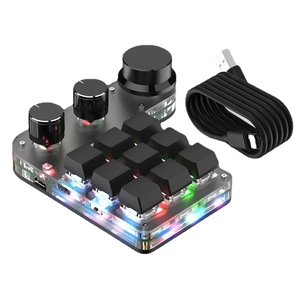
Due to the lack of specialized suppliers, no performance benchmarks can be established for this niche query. Buyers are advised to redirect sourcing efforts toward programmable keyboard or macro keypad manufacturers who can configure default shortcuts, including assigning primary functions to the delete key. Emphasis should be placed on engineering flexibility, firmware update support, and low-voltage operational reliability when assessing candidates. Video audits of production floors and functional testing of remapped key outputs are recommended prior to volume ordering.
FAQs
How to verify delete key shortcut supplier reliability?
Since no direct suppliers exist, evaluate alternative vendors by confirming certifications (ISO 9001, CE, FCC), reviewing past projects involving key remapping or custom layouts, and analyzing customer feedback on product consistency and technical support responsiveness. Request references from clients who have implemented similar shortcut customization.
What is the average sampling timeline?
For programmable input devices that support delete key reassignment, expect 20–35 days for initial samples, including firmware configuration. Complex integrations involving wireless connectivity or multi-profile switching may extend to 45 days.
Can suppliers ship keyboard-related products worldwide?
Yes, qualified electronics manufacturers routinely export globally. Confirm Incoterms (e.g., FOB Shenzhen, CIF Rotterdam), packaging specifications for electrostatic-sensitive components, and compliance with destination-country import regulations for digital devices.
Do manufacturers provide free samples?
Sample policies vary. Established producers may offer paid samples refundable against future orders, while others require full cost recovery for tooling and programming setup. Budget 80–150% of unit cost for first-sample procurement.
How to initiate customization requests?
Submit detailed requirements including PCB layout preferences, key switch type (e.g., Cherry MX, Kailh), desired shortcut mapping logic, and firmware behavior (persistent vs. temporary remaps). Leading suppliers respond with schematic proposals and functional prototypes within 72 hours of technical review.





