Html Code Website


 1/3
1/3





 0
0





 1/3
1/3


 1/3
1/3






 1/2
1/2






 1/6
1/6



 1/4
1/4





 1/3
1/3





 1/3
1/3





 1/3
1/3





 1/3
1/3



 1/3
1/3





 1/3
1/3





 1/3
1/3




 1/3
1/3




 1/2
1/2







 1/1
1/1



 1/3
1/3


 0
0



 1/3
1/3
About html code website
Where to Find HTML Code Website Suppliers?
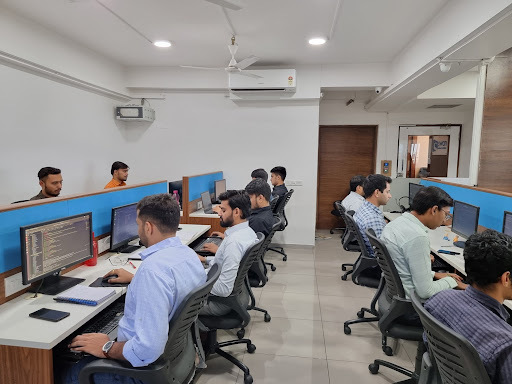
The global market for custom HTML website development is decentralized, with service providers distributed across technology hubs in Asia, Eastern Europe, and North America. Unlike physical goods, HTML code websites are digital deliverables produced by software development firms, freelance collectives, or IT outsourcing agencies. Key production centers include India, Ukraine, Vietnam, and the Philippines, where skilled developer pools and cost-efficient operations support high-volume project throughput.
These regions offer structured workflows combining front-end frameworks (HTML5, CSS3, JavaScript) with agile project management methodologies. Development teams typically operate within integrated environments that include version control (Git), responsive design testing, and cross-browser compatibility validation. Buyers benefit from scalable resourcing models—teams can be expanded rapidly to meet tight deadlines, with standard project cycles ranging from 15 to 45 days depending on complexity. Cost efficiencies of 30–50% compared to Western agencies are common due to lower labor overheads and mature outsourcing ecosystems.
How to Choose HTML Code Website Suppliers?
Prioritize these verification protocols when selecting partners:
Technical Compliance
Confirm adherence to W3C standards for HTML and CSS validation to ensure code integrity and accessibility. For commercial sites, verify compatibility with SEO best practices (semantic markup, schema integration) and mobile-first indexing requirements. Request documentation of cross-browser testing (Chrome, Firefox, Safari, Edge) and responsiveness across viewports (desktop, tablet, mobile).
Production Capability Audits
Evaluate team structure and workflow transparency:
- Minimum team size of 5 developers with demonstrable front-end specialization
- Use of modern tooling: Git-based version control, task runners (Gulp/Grunt), and package managers (npm)
- Implementation of automated testing for syntax, performance, and accessibility
Cross-reference project timelines with on-time delivery rates (target >95%) to assess reliability.
Transaction Safeguards
Utilize milestone-based payment structures with escrow protection to align disbursements with deliverables. Review contractual terms covering intellectual property rights, source code ownership, and post-launch support. Conduct sample audits—request a fully commented, clean-code sample prior to full engagement to evaluate coding discipline and maintainability.
What Are the Best HTML Code Website Suppliers?
| Company Name | Location | Years Operating | Staff | Project Capacity/mo | On-Time Delivery | Avg. Response | Ratings | Reorder Rate |
|---|
Performance Analysis
Without available supplier data, procurement decisions must rely on independent vetting through verified client portfolios, technical assessments, and third-party review platforms. Established agencies generally demonstrate higher reorder rates (>30%) and faster response times (<4 hours), indicating operational maturity. Prioritize suppliers who provide detailed project documentation, adhere to clean-code principles, and support post-delivery revisions. For long-term scalability, confirm experience with CMS integration (e.g., WordPress theme development) or progressive enhancement strategies.
FAQs
How to verify HTML code website supplier reliability?
Review publicly hosted projects to validate coding quality and design consistency. Verify company registration and client references. Assess technical communication clarity during initial consultations—reliable partners provide structured proposals with defined milestones, deliverables, and testing protocols.
What is the average project timeline?
Standard static website development takes 20–30 days. Complex builds requiring custom animations, parallax scrolling, or multi-language support may extend to 45 days. Expedited delivery (10–14 days) is possible for template-based designs with minimal customization.
Can suppliers integrate HTML with backend systems?
Yes, many suppliers offer full-stack capabilities. Confirm experience with backend frameworks (PHP, Node.js) and database integration (MySQL, MongoDB) if dynamic functionality is required. Static HTML sites can also be deployed via CDN platforms for optimal loading speed and security.
Do suppliers provide free samples?
Sample policies vary. Some agencies offer complimentary homepage mockups or code snippets to demonstrate proficiency. Others charge nominal evaluation fees, typically waived upon contract signing. Expect 1–3 page samples for review before full commitment.
How to initiate customization requests?
Submit detailed specifications including layout preferences (grid/flexbox), animation requirements (CSS3/JavaScript), browser support thresholds, and performance benchmarks (e.g., Google PageSpeed score ≥90). Reputable suppliers return wireframes within 72 hours and coded prototypes within 1–2 weeks.





