Key Duplicator Machine Producer







 0
0



 1/3
1/3




 1/3
1/3



 1/3
1/3


 0
0



 1/3
1/3



 1/3
1/3




 1/3
1/3



 1/3
1/3





 1/26
1/26


 1/3
1/3


 1/12
1/12


 0
0




 1/3
1/3



 1/3
1/3


 0
0


 0
0



 0
0


 1/3
1/3
About key duplicator machine producer
Where to Find Key Duplicator Machine Producers?
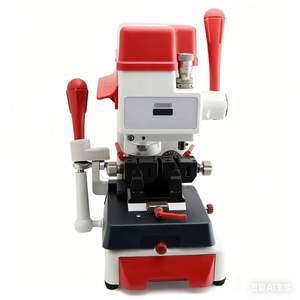
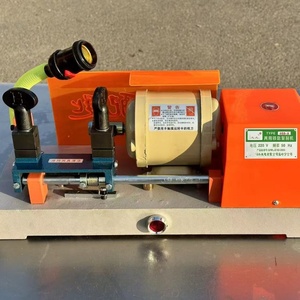
China remains the central hub for key duplicator machine production, with manufacturing clusters concentrated in Guangdong, Zhejiang, and Jiangsu provinces. These regions host a high density of precision machinery manufacturers specializing in locksmith equipment, benefiting from established supply chains for hardened steel components, CNC-machined parts, and electronic control systems. Guangdong, particularly around Dongguan and Shenzhen, excels in high-precision machining and rapid prototyping, leveraging proximity to semiconductor and electronics suppliers for digital key coding systems.
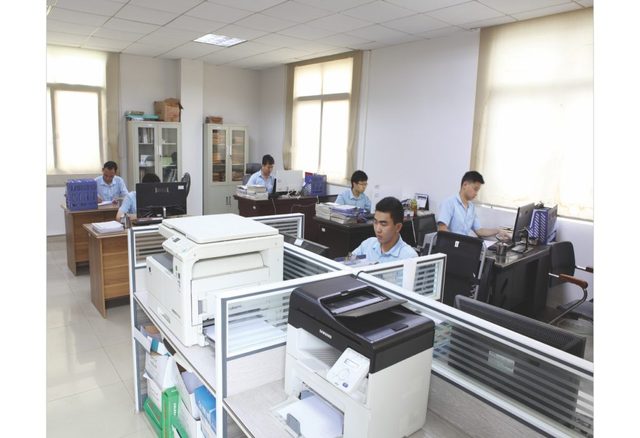
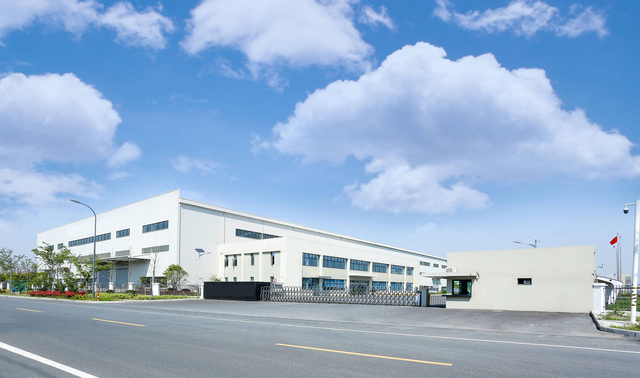
The industrial ecosystems in these zones support vertically integrated production, enabling producers to manage casting, milling, grinding, and final assembly in-house. This integration reduces component lead times and enhances quality traceability. Buyers can expect typical production lead times of 25–40 days for standard models, with cost advantages of 20–35% over European or North American manufacturers due to lower labor costs and localized material sourcing. The presence of specialized tooling workshops within 30km radii further supports fast turnaround on custom dies and cutters.
How to Choose Key Duplicator Machine Producers?
Selecting reliable suppliers requires structured evaluation across technical, operational, and transactional dimensions:
Quality & Compliance Verification
Confirm ISO 9001 certification as a baseline for consistent manufacturing processes. For export to regulated markets, ensure compliance with CE (EU) or FCC (U.S.) standards, particularly for models with digital interfaces or motorized feed systems. Request test reports on critical performance metrics such as duplication accuracy (±0.02mm tolerance), die durability (minimum 10,000 cycles), and electrical safety ratings.
Production Capacity Assessment
Evaluate infrastructure indicators to ensure scalability and reliability:
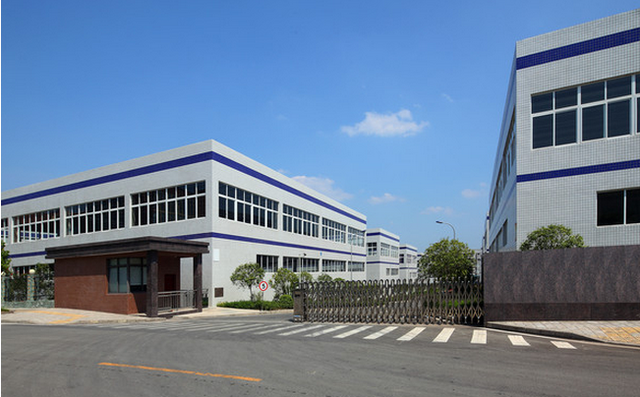
- Minimum factory footprint of 3,000m² to support dedicated production lines
- In-house CNC machining and tool grinding capabilities to maintain precision
- R&D team comprising at least 8% of total staff for ongoing product refinement
Correlate facility size with order fulfillment history—target suppliers with documented on-time delivery rates exceeding 97%.
Procurement Risk Mitigation
Utilize secure payment methods such as letter of credit or third-party escrow until post-delivery inspection is completed. Prioritize suppliers with verifiable export experience to your region, including familiarity with customs documentation for HS Code 8479.89 (machines for special purposes). Conduct sample testing against ANSI/BHMA A156.25 standards for mechanical durability and key replication fidelity before placing bulk orders.
What Are the Best Key Duplicator Machine Producers?
No supplier data available for comparative analysis.
Performance Analysis
In the absence of specific supplier profiles, procurement focus should remain on regional capabilities and verification protocols. Historically, producers in Guangdong demonstrate superior responsiveness and technological adoption, particularly in hybrid analog-digital duplicator systems. Zhejiang-based manufacturers often offer competitive pricing for manual and semi-automatic models due to efficient die-casting integration. When evaluating new suppliers, insist on video audits of CNC calibration processes and cutter hardening procedures (HRC 58–62) to verify process control. For high-volume buyers, prioritize facilities with automated quality inspection systems and barcode traceability per unit.
FAQs
How to verify key duplicator machine producer reliability?
Validate certifications through official databases and request audit summaries covering raw material sourcing, machining tolerances, and end-of-line functional testing. Assess after-sales capability by reviewing warranty terms and spare parts availability for dies, motors, and control boards.
What is the average sampling timeline?
Standard samples take 10–20 days to produce, depending on complexity. Digital models with LCD displays or Bluetooth connectivity may require up to 30 days. Air freight adds 5–8 days for international delivery. Sample costs typically range from $150–$400, partially refundable upon order placement.
Can producers ship key duplicator machines worldwide?
Yes, most established producers offer global shipping via air or sea freight under FOB, CIF, or DDP terms. Confirm packaging specifications (wooden crates for heavy models) and compliance with destination electrical standards (110V/220V, 50/60Hz). Sea freight is recommended for container loads to optimize cost efficiency.
Do producers provide free samples?
Free samples are uncommon but negotiable for orders exceeding 20 units. Some suppliers offer sample fee reimbursement upon confirmation of large-volume contracts. Customized configurations always require full sample payment upfront.
How to initiate customization requests?
Submit detailed technical requirements including key type compatibility (e.g., dimple, laser, sidewinder), motor power (60–120W), duplication speed (rpm), and interface language options. Reputable producers respond with engineering drawings within 48–72 hours and deliver prototypes within 3–5 weeks.





