Liquid Crystal Display Arduino








 1/37
1/37



 1/3
1/3


 1/3
1/3




 1/3
1/3



 1/3
1/3




 0
0



 1/3
1/3




 1/30
1/30


 0
0


 1/3
1/3




 1/3
1/3


 1/1
1/1


 1/3
1/3



 1/3
1/3


 1/3
1/3





 1/23
1/23


 0
0


 0
0




 1/3
1/3

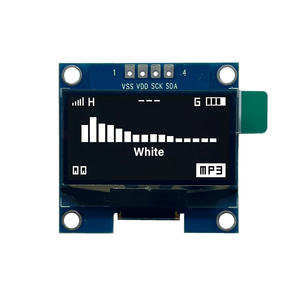
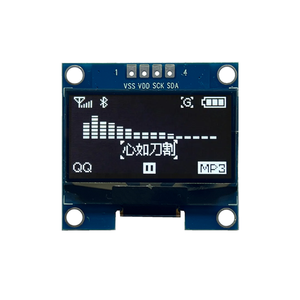
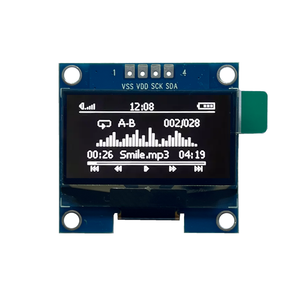
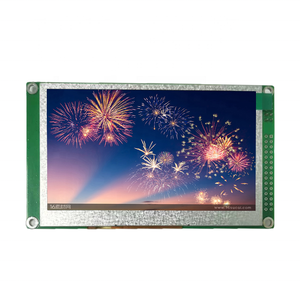
 1/20
1/20
About liquid crystal display arduino
Where to Find Liquid Crystal Display Arduino Suppliers?
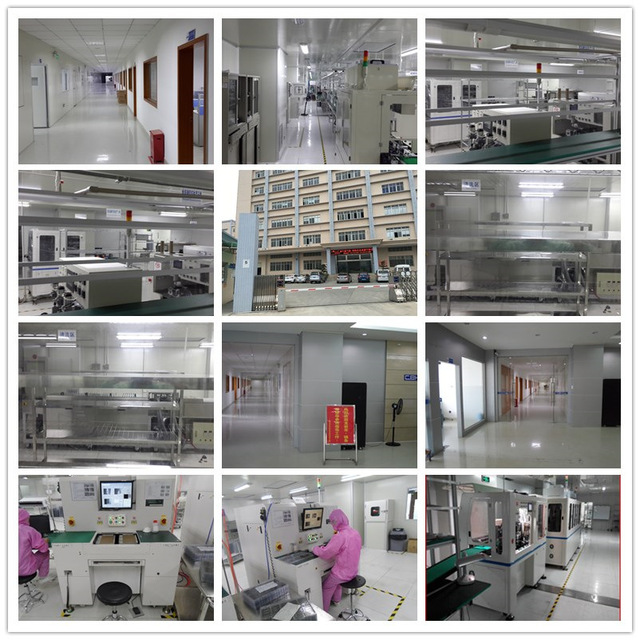
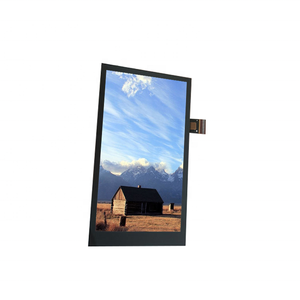
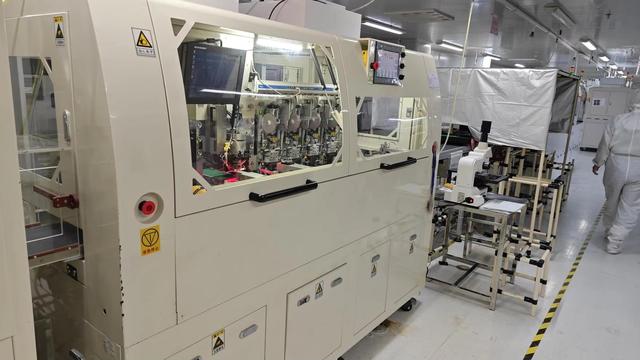
China remains the global hub for liquid crystal display (LCD) manufacturing, with Shenzhen and Guangdong provinces hosting specialized electronics clusters that dominate production of Arduino-compatible displays. These regions offer vertically integrated supply chains—spanning semiconductor sourcing, PCB assembly, and final module integration—enabling rapid prototyping and scalable output. Over 70% of suppliers operate within industrial zones where component logistics are optimized, reducing lead times by up to 40% compared to offshore alternatives.
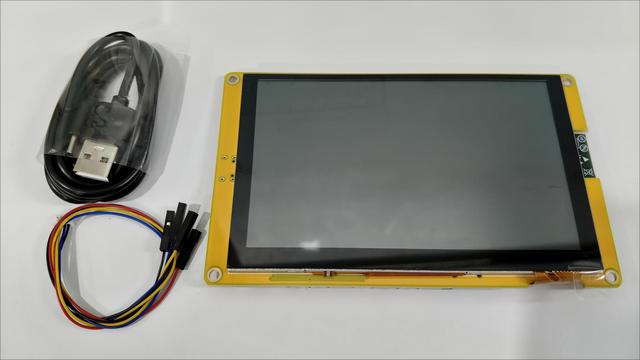
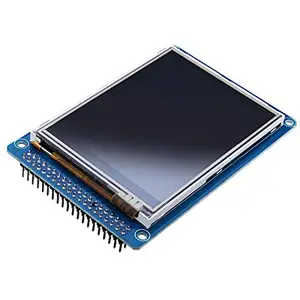
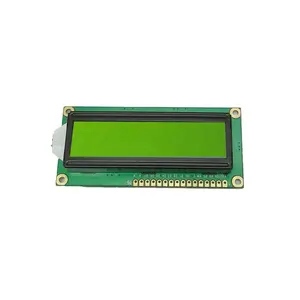
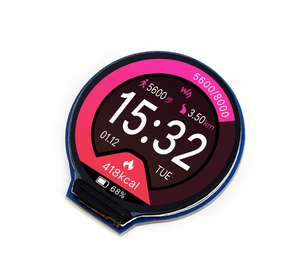
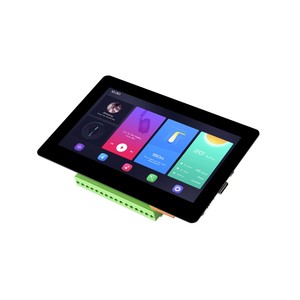
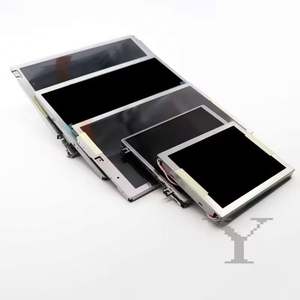
The ecosystem supports both standard and custom LCD solutions, from monochrome character modules to high-resolution TFT screens. Key advantages include access to in-house R&D teams for firmware integration, flexible batch sizing (as low as 1 piece), and streamlined export infrastructure. Buyers benefit from localized testing facilities, allowing real-time validation of display performance under Arduino control protocols. Average production cycles range from 7–15 days for small batches, with express shipping options enabling delivery within 5–8 business days globally.
How to Choose Liquid Crystal Display Arduino Suppliers?
Effective supplier selection requires a structured evaluation across three core areas:
Technical Compatibility & Product Range
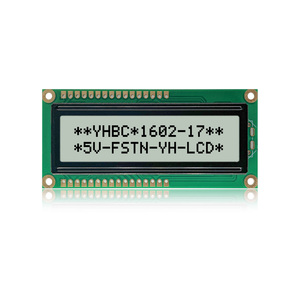
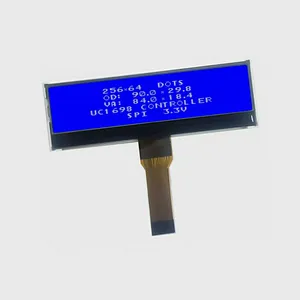
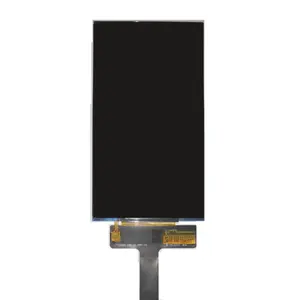
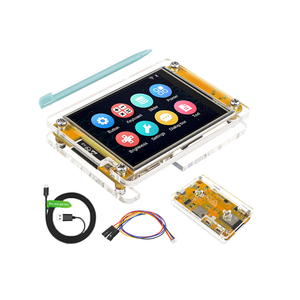
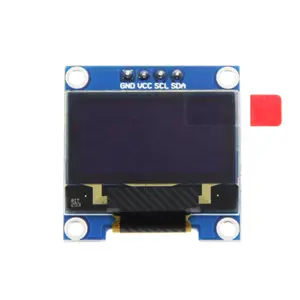
Confirm that the supplier offers displays with documented Arduino compatibility, including support for common libraries (e.g., Adafruit GFX, U8g2). Verify interface types (SPI, I2C, parallel) and controller ICs (such as ILI9341, ST7796S, or HD44780) to ensure seamless integration. Suppliers listing 10+ distinct LCD variants typically maintain broader inventory and technical expertise.
Production and Quality Assurance
Assess operational scale through available metrics:
- On-time delivery rate exceeding 93%
- Response time under 4 hours (ideal: ≤1 hour)
- Minimum order quantities (MOQ) of 1–2 pieces indicating flexibility
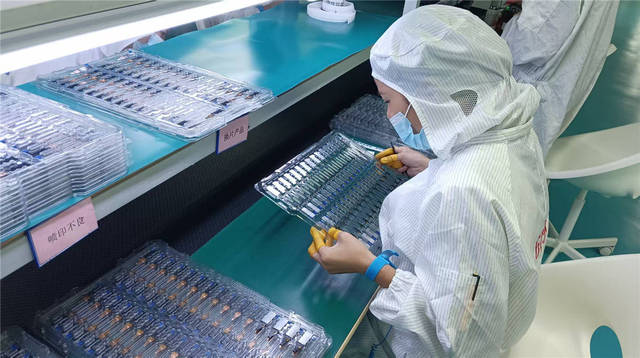
- Evidence of functional testing on all units prior to shipment
While formal ISO certification is not universally listed, consistent on-time performance and reorder rates above 20% serve as practical proxies for reliability.
Customization and Transaction Security
Prioritize suppliers offering customization in size, backlight color, pin configuration, or pre-programmed firmware. Evaluate packaging and labeling options if branding or retail compliance is required. Use secure transaction methods with milestone-based payments, especially for bulk orders. Request sample units to validate display clarity, touch responsiveness (if applicable), and signal stability with target microcontrollers before scaling procurement.
What Are the Best Liquid Crystal Display Arduino Suppliers?
| Company Name | Location | Main Products (Listings) | Online Revenue | On-Time Delivery | Avg. Response | Reorder Rate | Min. Order Flexibility | Price Range (USD) |
|---|---|---|---|---|---|---|---|---|
| Shenzhen Ruixin Optoelectronics Technology Co., Ltd. | Shenzhen, CN | LCD Modules, Custom Panels | $110,000+ | 100% | ≤1h | 24% | 2 pieces | $0.60–$11.80 |
| Shenzhen Tuorui Electronic Technology Co., Ltd. | Shenzhen, CN | TFT, SPI, MCU-Integrated Displays | $240,000+ | 93% | ≤4h | <15% | 1 piece | $1.17–$22.32 |
| JunXing HK Co., Limited | Hong Kong, CN | OLED, Character LCDs, PCBA | $1,000+ | 100% | ≤2h | <15% | 1 piece | $0.72–$16.45 |
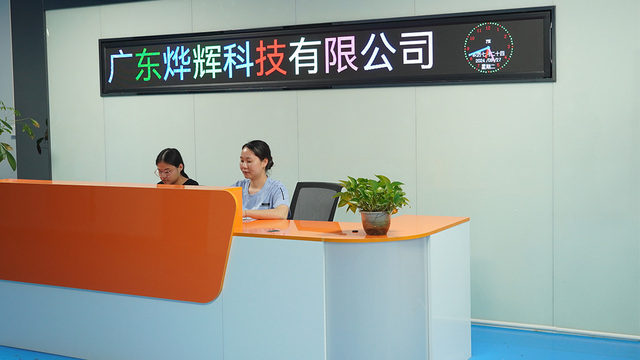
| Guangdong Yehui Technology Co., Ltd. | Guangdong, CN | LCD Modules (155), Monochrome Panels | $1,000+ | 100% | ≤4h | 50% | 1 piece | $0.50–$4.50 |
| Shenzhen LCD Mall Limited | Shenzhen, CN | LCD Modules (469), Touch Screens | $320,000+ | 100% | ≤3h | 16% | 1–5 pieces | $1.02–$65.00 |
Performance Analysis
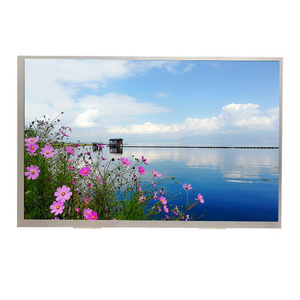
Shenzhen LCD Mall Limited leads in product diversity and revenue volume, offering high-end 10.1-inch modules alongside mass-market 1.8-inch screens. Its 100% on-time delivery and $320,000+ annual revenue reflect robust fulfillment capacity. Guangdong Yehui stands out with a 50% reorder rate—the highest in the dataset—indicating strong customer satisfaction despite lower online visibility. Shenzhen Ruixin provides the most competitive entry-level pricing ($0.60) and fast response times (≤1h), ideal for cost-sensitive prototyping. JunXing HK excels in niche OLED and legacy LCD formats, while Shenzhen Tuorui specializes in larger SPI-driven TFTs suitable for advanced Arduino Mega or ESP32 projects.
FAQs
How to verify liquid crystal display Arduino compatibility?
Request datasheets confirming voltage tolerance (3.3V/5V), communication protocol (SPI/I2C), and controller model. Test compatibility using open-source libraries such as Adafruit_ILI9341 or LiquidCrystal_I2C. Suppliers should provide pinout diagrams and example code upon request.
What is the typical MOQ and lead time?
Most suppliers support MOQs of 1–2 pieces for standard models, with lead times of 3–7 days post-payment. Bulk orders (100+ units) may require 10–15 days depending on customization. Expedited processing is often available at nominal surcharge.
Can suppliers customize LCD size, color, or firmware?
Yes, multiple suppliers list customization capabilities for screen dimensions, backlight color (blue, white, yellow-green), label printing, and even pre-flashed Arduino bootcode. Minimum order thresholds for custom designs vary from 10 to 1,000 units depending on complexity.
Do these suppliers support global shipping?
All listed suppliers offer international logistics via express carriers (DHL, FedEx) or postal services. Shipping costs are typically borne by the buyer, with delivery times averaging 5–12 days. Some providers offer DDP (Delivered Duty Paid) options for select regions.
Is sampling recommended before bulk ordering?
Yes. Sampling allows verification of brightness, contrast, touch accuracy (if applicable), and electrical compatibility. Most suppliers charge full price for samples but may credit the cost toward subsequent orders exceeding 10 units.





