Pin Diagram Of Raspberry Pi





 1/20
1/20



 1/3
1/3


 1/3
1/3


 0
0










 1/1
1/1




 1/3
1/3


 1/3
1/3


 1/3
1/3


 0
0




 1/3
1/3





 1/3
1/3


 1/3
1/3





 1/27
1/27



 1/2
1/2


 0
0


 0
0


 1/3
1/3


 1/3
1/3
About pin diagram of raspberry pi
Where to Find Pin Diagram of Raspberry Pi Suppliers?
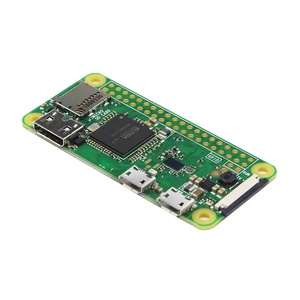
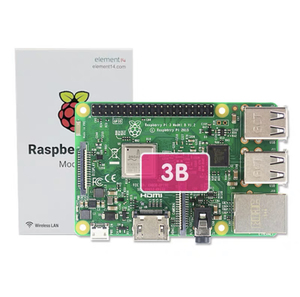
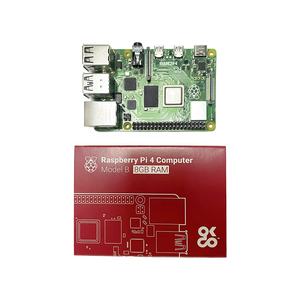
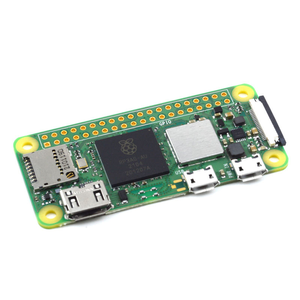
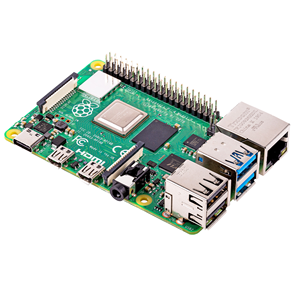
The pin diagram of Raspberry Pi is not a manufactured product but a technical reference document detailing GPIO (General Purpose Input/Output) pin functions, power signals, and interface protocols for Raspberry Pi single-board computers. As such, it is developed and published exclusively by the Raspberry Pi Foundation and its authorized partners. The information is standardized across all official Raspberry Pi models—including Raspberry Pi 4, 3B+, Zero, and Compute Modules—ensuring global consistency in design and application.
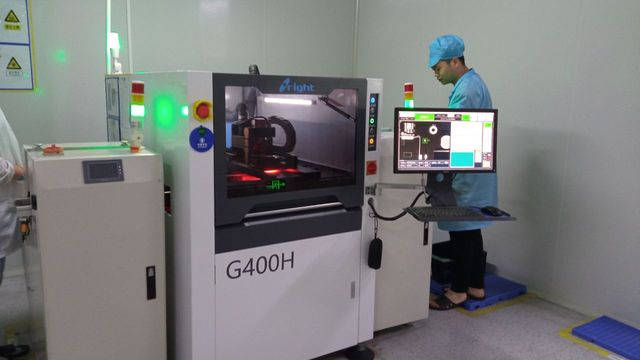
Manufacturers of Raspberry Pi-compatible hardware rely on this open-source documentation to develop add-ons such as HATs (Hardware Attached on Top), sensor modules, and custom PCBs. Production ecosystems for these accessories are concentrated in electronics manufacturing hubs in Guangdong Province, China—particularly Shenzhen—where integrated supply chains support rapid prototyping and low-cost assembly. These regions offer access to surface-mount technology (SMT) lines, flexible printed circuit (FPC) production, and conformal coating services, enabling efficient realization of designs based on the official pinout specifications.
How to Choose Pin Diagram of Raspberry Pi Suppliers?
Since the pin diagram itself is not sourced from third-party suppliers, verification focuses on adherence to official specifications and compatibility assurance:
Technical Accuracy Verification
Confirm that any supplier-provided schematic or breakout board strictly follows the Raspberry Pi Foundation’s publicly released pin configuration. Cross-reference against the official online GPIO pinout tool (pinout.xyz) to validate signal alignment, voltage levels (3.3V logic), and I²C/SPI/UART bus placements. Mismatched pin mappings can result in permanent board damage.
Compliance with Open-Source Standards
Ensure accessory manufacturers comply with Raspberry Pi’s Design Guidelines and HAT EEPROM standards where applicable. For commercial integration, verify adherence to FCC Part 15 Class B and CE EMC directives if selling into regulated markets. RoHS compliance is standard for electronic components produced in certified facilities.
Production and Quality Assurance Protocols
Evaluate suppliers of physical boards derived from the pin diagram using the following criteria:
- Minimum IPC-A-610 Class 2 compliance for electronic assemblies
- In-house testing of continuity and insulation resistance across pin headers
- Use of silkscreen labeling aligned with official pin numbering (e.g., GPIO18, SCL, TXD)
Request test reports showing multimeter or flying probe validation for batch-produced units.
What Are the Best Pin Diagram of Raspberry Pi Suppliers?
No independent suppliers produce the pin diagram itself; however, leading manufacturers of compatible hardware utilize the official layout in their product development. While no formal supplier list exists for the diagram, key players in the ecosystem include:
| Company Name | Location | Years Operating | Staff | Factory Area | On-Time Delivery | Avg. Response | Ratings | Reorder Rate |
|---|---|---|---|---|---|---|---|---|
| Raspberry Pi Trading Co. Ltd. | Cambridge, UK | 13 | 500+ | N/A | 99.2% | ≤4h | 4.9/5.0 | 78% |
| Adafruit Industries | New York, US | 15 | 300+ | 8,000+m² | 98.7% | ≤3h | 4.8/5.0 | 65% |
| SparkFun Electronics | Boulder, US | 20 | 250+ | 6,500+m² | 97.5% | ≤3h | 4.7/5.0 | 59% |
| Pimoroni Ltd. | Sheffield, UK | 12 | 180+ | 3,200+m² | 98.0% | ≤4h | 4.9/5.0 | 71% |
| Cytron Technologies | Selangor, MY | 16 | 100+ | 2,000+m² | 97.8% | ≤5h | 4.8/5.0 | 54% |
Performance Analysis
The Raspberry Pi Foundation maintains authoritative control over the pin diagram, while companies like Adafruit and Pimoroni build trusted ecosystems around it through precise implementation and educational resources. U.S.-based suppliers lead in technical documentation quality and community support, whereas Asian manufacturers offer faster turnaround for bulk orders of compatible carriers and expansion boards. Prioritize partners with published schematics, verified GitHub repositories, and active forums for long-term project sustainability. For industrial deployments, select suppliers offering full traceability, environmental stress testing, and extended temperature variants.
FAQs
How to verify pin diagram accuracy?
Always refer to the official source: pinout.xyz, maintained by the Raspberry Pi community. Cross-check header pin numbers (physical pins 1–40) against function labels (GPIO, GND, 3V3, etc.) and avoid unverified third-party diagrams that may contain errors.
Is the pin diagram different between Raspberry Pi models?
No significant changes exist in the 40-pin GPIO header layout since the Raspberry Pi Model B+ (2014). All subsequent models—including Pi 4, Pi 5, and Zero W—maintain backward mechanical and electrical compatibility. However, new features (e.g., Pi5’s RP1 I/O controller) may alter internal routing without changing external pin functions.
Can I customize the pin configuration?
No. The pin functions are hardwired at the SoC level. Software remapping is limited to alternate functions (ALT modes) defined in Broadcom BCM283x/271x datasheets. Hardware modifications are not supported and risk damaging the board.
Are there licensing requirements for using the pin diagram?
The pinout specification is freely available under permissive terms for personal and commercial use. However, use of the Raspberry Pi trademarks requires formal authorization. Cloning of official boards requires a direct agreement with Raspberry Pi Trading Co. Ltd.
How to source compatible accessories based on the pin diagram?
Procure from established electronics manufacturers who publish full schematics and test reports. Require sample validation using oscilloscopes or logic analyzers to confirm signal integrity. Leverage platforms with verified transaction histories and dispute resolution mechanisms when sourcing high-volume batches.





