Powered Line Array Speakers Wholesaler









 1/12
1/12


 0
0



 1/3
1/3




 1/28
1/28



 1/2
1/2



 1/27
1/27


 1/3
1/3




 0
0



 1/20
1/20



 1/28
1/28



 0
0




 1/3
1/3


 1/27
1/27



 1/1
1/1




 1/2
1/2


 1/10
1/10




 1/13
1/13


 0
0



 1/3
1/3

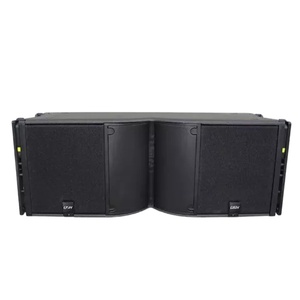
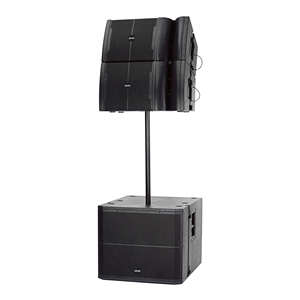
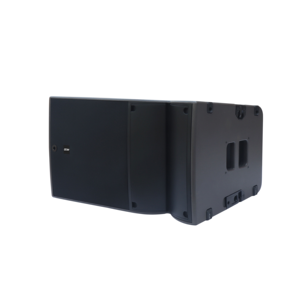

About powered line array speakers wholesaler
Where to Find Powered Line Array Speakers Wholesalers?
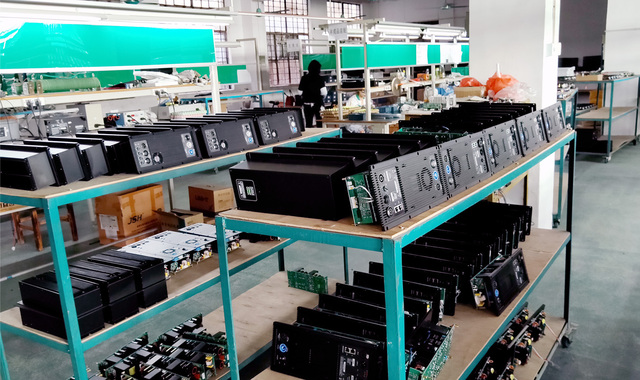
China remains the central hub for powered line array speaker manufacturing, with key industrial clusters concentrated in Guangdong and Zhejiang provinces. Guangdong, particularly the Pearl River Delta region encompassing Guangzhou and Shenzhen, hosts over 70% of China’s professional audio equipment suppliers. This area benefits from mature electronics supply chains, advanced SMT (surface-mount technology) production lines, and proximity to major export ports, enabling efficient global distribution. Zhejiang’s Ningbo and Hangzhou zones specialize in precision metal fabrication for speaker enclosures, leveraging localized aluminum and steel processing facilities that reduce material costs by 18–22% compared to non-integrated markets.
These regions operate under vertically integrated ecosystems where driver unit production, amplifier module assembly, DSP programming, and cabinet construction occur within tightly coordinated networks. Suppliers in these clusters typically maintain in-house capabilities across injection molding, CNC woodworking, powder coating, and final acoustic testing. Buyers gain access to scalable production environments capable of fulfilling orders ranging from 50 units to multi-container shipments, with standard lead times averaging 35–50 days. Localized sourcing reduces component procurement cycles by up to 40%, while shared logistics infrastructure supports consolidated shipping via air or sea freight.
How to Choose Powered Line Array Speakers Wholesalers?
Implement rigorous evaluation criteria when selecting wholesale partners:
Technical Compliance
Require ISO 9001 certification as a baseline for quality management systems. For international buyers, verify CE, RoHS, and FCC compliance documentation to ensure adherence to electromagnetic compatibility and environmental safety standards. Confirm speaker performance metrics—such as frequency response (typically 50Hz–20kHz), SPL output (≥128dB peak), and power handling (500W–2000W RMS)—are validated through third-party test reports using standardized anechoic chamber procedures.
Production Capability Audits
Assess core operational infrastructure:
- Minimum factory footprint of 3,000m² to support full-cycle manufacturing
- In-house driver and amplifier production or verified partnerships with Tier-1 component suppliers
- CNC machining centers and automated assembly lines for consistent build quality
Correlate facility scale with order fulfillment history—target suppliers maintaining on-time delivery rates above 96%.
Transaction Safeguards
Utilize secure payment mechanisms such as irrevocable LC at sight or escrow-based transactions until product inspection is completed. Review supplier track records via verifiable transaction histories and customer references, prioritizing those with documented dispute resolution processes. Pre-shipment sampling is critical—conduct functional tests including thermal stress endurance, long-duration playback, and rigging system load verification per EN 13157 standards before scaling volume orders.
What Are the Best Powered Line Array Speakers Wholesalers?
No supplier data is currently available for powered line array speakers wholesalers. Procurement professionals are advised to conduct direct field audits or engage independent inspection agencies to validate claims regarding production capacity, technical compliance, and export readiness. Focus due diligence on manufacturers demonstrating certified quality systems, consistent product testing protocols, and experience fulfilling bulk orders for international clients.
Performance Analysis
In the absence of published performance benchmarks, sourcing strategy should emphasize verification over reputation. Prioritize suppliers who provide transparent access to factory operations through video tours, real-time production tracking, and detailed material traceability records. Given the technical complexity of active line arrays—including Class D amplification, digital signal processing, and mechanical rigging—confirm that engineering teams possess expertise in electro-acoustic design and structural integrity analysis. For high-volume contracts, require proof of prior exports to regulated markets (EU, UK, North America) as evidence of compliance maturity.
FAQs
How to verify powered line array speaker supplier reliability?
Validate certifications through official databases issued by accredited bodies. Request comprehensive audit trails covering raw material sourcing, PCB assembly logs, and final QC checklists. Evaluate after-sales support responsiveness and spare parts availability, particularly for amplifier modules and compression drivers.
What is the average sampling timeline?
Standard sample production takes 20–30 days, depending on configuration complexity. Systems requiring custom DSP tuning or specialized enclosure finishes may extend to 45 days. Add 7–14 days for international air freight delivery, depending on destination.
Can suppliers ship powered line array speakers worldwide?
Yes, experienced exporters manage global logistics via FOB, CIF, or DDP terms. Confirm packaging meets ISTA 3A standards for transit durability and verify inclusion of customs-compliant documentation, including UL-tested power supply certifications where applicable. Sea freight is optimal for containerized orders exceeding 20 units.
Do manufacturers provide free samples?
Sample policies vary by order volume. Full sample fees are typically charged for initial evaluations but may be credited toward confirmed bulk purchases exceeding MOQ thresholds (usually 50+ units). Some suppliers offer partial reimbursement upon contract signing.
How to initiate customization requests?
Submit detailed technical requirements including speaker configuration (e.g., 8", 10", 12" drivers), power rating, DSP functionality (built-in presets, remote monitoring), enclosure material (birch plywood, composite), and finish type (tour-grade paint, carpet). Reputable suppliers respond with CAD drawings and electrical schematics within 5–7 business days and deliver prototypes within 4–6 weeks.





