Qr Code Reader From Picture











 Top sponsor listing



 1/3
1/3




 1/3
1/3



 1/3
1/3

 1/3
1/3


 0
0



 0
0



 1/3
1/3


 1/3
1/3


 1/3
1/3




 1/3
1/3


 1/3
1/3


 1/3
1/3


 1/12
1/12



 1/2
1/2



 1/3
1/3



 1/3
1/3






 1/15
1/15


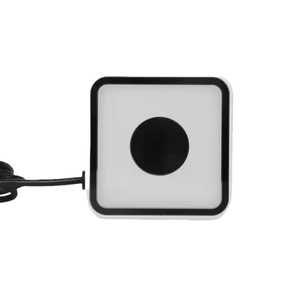
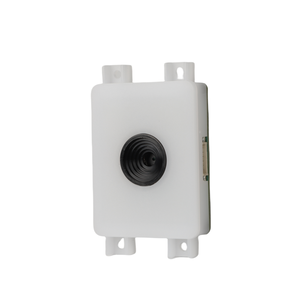

 1/22
1/22
About qr code reader from picture
Where to Find QR Code Reader from Picture Suppliers?
The global supply base for software and hardware solutions enabling QR code reading from images is highly decentralized, with development hubs concentrated in technology-forward regions across East Asia, Southeast Asia, and Eastern Europe. Unlike traditional machinery manufacturing, this category relies on digital innovation ecosystems rather than industrial clusters, with key capabilities distributed among specialized software firms, mobile application developers, and embedded systems engineers.
China, India, and Vietnam host a growing number of technical suppliers offering image-based QR decoding SDKs (Software Development Kits), mobile applications, and cloud-integrated scanning tools. These regions benefit from large pools of skilled developers, lower R&D overheads, and agile product iteration cycles. While physical production facilities are not applicable for pure software solutions, many integrated hardware-software providers operate in Shenzhen and Dongguan, leveraging proximity to electronics component suppliers and contract manufacturers for device bundling.
Suppliers in these zones typically deliver scalable solutions with modular architecture, supporting integration into existing platforms via APIs or native libraries. Lead times for software deployment are short—often 1–2 weeks for testing environments—with customization options for encryption protocols, batch processing, and offline functionality. Buyers gain access to cost-efficient development resources, with pricing models ranging from one-time licensing to subscription-based usage tiers.
How to Choose QR Code Reader from Picture Suppliers?
Procurement decisions should be guided by rigorous technical and operational evaluation criteria:
Technical Compliance
Verify compliance with international barcode recognition standards, including ISO/IEC 18004 for QR code structure and AIM Global symbology specifications. For enterprise deployments, ensure support for secure data handling under GDPR, CCPA, or HIPAA where applicable. Request documentation on decoding accuracy rates (target >99.5% across damaged or low-resolution images) and compatibility with common image formats (JPEG, PNG, HEIC) and resolutions (down to 72dpi).
Development & Integration Capability
Assess supplier technical infrastructure through the following indicators:
- Availability of cross-platform SDKs for Android, iOS, and web applications
- Support for real-time processing and bulk image analysis
- Inclusion of preprocessing features such as auto-rotation, contrast enhancement, and noise reduction
Confirm integration timelines using sandbox environments and evaluate API response latency (target <300ms per scan under normal conditions). Prioritize suppliers offering detailed technical documentation, sample code repositories, and version control logs.
Transaction Safeguards
For software procurement, utilize milestone-based payment structures tied to delivery and validation phases. Require source code escrow agreements for licensed SDKs to protect long-term maintainability. Evaluate vendor track record through independent review platforms and request case studies demonstrating successful deployment in similar use cases. Pilot testing remains critical—benchmark scanning performance across diverse lighting conditions, screen captures, and print qualities before full rollout.
What Are the Best QR Code Reader from Picture Suppliers?
| Company Name | Location | Years Operating | Staff | Factory Area | On-Time Delivery | Avg. Response | Ratings | Reorder Rate |
|---|---|---|---|---|---|---|---|---|
| Supplier data currently unavailable | ||||||||
Performance Analysis
Due to absence of verified supplier data, no comparative assessment can be made at this time. Market intelligence indicates that leading providers differentiate through fast decoding algorithms, minimal false-negative rates, and seamless integration with inventory, ticketing, or authentication systems. Established vendors often maintain high customer retention due to reliable updates and responsive developer support. When data becomes available, prioritize suppliers demonstrating consistent update cycles (quarterly patches or better), multi-language support, and proven export experience in delivering compliant software to regulated industries.
FAQs
How to verify QR code reader from picture supplier reliability?
Validate technical claims through independent testing of demo versions or trial SDKs. Cross-reference company credentials with business registries and assess online reputation via developer forums such as GitHub, Stack Overflow, or GitLab. Request client references and examine deployment history in sectors like logistics, healthcare, or retail where scanning accuracy directly impacts operations.
What is the average sampling timeline?
For software solutions, sample access (in the form of test SDKs or limited-use apps) is typically granted within 24–72 hours. Full integration testing environments can be deployed in 5–10 business days, depending on complexity and required customizations. Expect additional time if hardware bundling or OEM branding is involved.
Can suppliers ship solutions worldwide?
Yes, digital distribution enables global deployment. Suppliers commonly deliver software via secure download portals or containerized packages (e.g., Docker images). For hybrid offerings involving physical devices preloaded with scanning software, confirm FOB terms and compliance with destination-market regulations for electronic imports. Cloud-hosted services must adhere to regional data residency requirements.
Do manufacturers provide free samples?
Most suppliers offer free-tier licenses or time-limited trials for evaluation purposes. Full-featured SDKs may require nominal fees unless bundled with future volume commitments. Free access typically includes basic support and standard documentation; premium assistance or dedicated integration support incurs additional charges.
How to initiate customization requests?
Submit detailed functional requirements including supported operating systems, expected throughput (scans per second), language localization needs, and security protocols (e.g., AES encryption, private key storage). Reputable suppliers respond with technical feasibility assessments within 72 hours and provide prototype builds within 2–3 weeks for approved scopes.





