Raspberry Pi 4pinout






 Top sponsor listing




 1/4
1/4






 1/3
1/3


 1/3
1/3




 1/1
1/1



 1/27
1/27



 1/2
1/2




 1/3
1/3


 1/3
1/3




 1/7
1/7


 1/1
1/1


 1/3
1/3



 1/3
1/3

 1/3
1/3




 1/3
1/3
 1/3
1/3


 0
0






 1/35
1/35



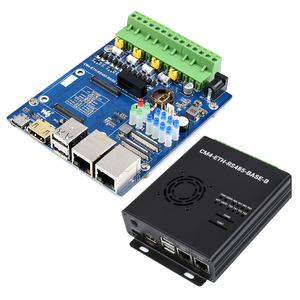
 1/3
1/3
About raspberry pi 4pinout
Where to Find Raspberry Pi 4 Pinout Suppliers?
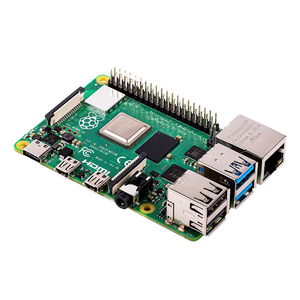
Manufacturing and sourcing of Raspberry Pi 4 pinout-related components and development accessories are primarily concentrated in China’s electronics hubs, particularly Shenzhen and Suzhou. These regions host extensive electronics supply chains, offering access to PCB fabrication, GPIO header assembly, and custom breakout boards essential for Raspberry Pi 4 integration projects. Shenzhen’s Huaqiangbei district serves as a key distribution node, supporting rapid prototyping and low-volume procurement through thousands of component suppliers operating within a 10km radius.
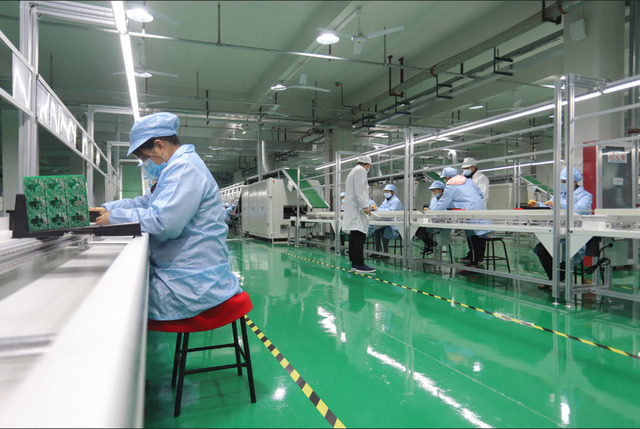
The ecosystem enables vertically integrated production, where design, surface-mount technology (SMT), testing, and packaging occur in close proximity. This reduces lead times for custom pinout solutions—such as labeled GPIO headers, I2C/SPI interface modules, or HAT-compatible boards—to 15–25 days for small batches. Buyers benefit from localized availability of FR-4 substrates, brass pin headers, and silkscreen labeling materials, cutting material logistics costs by up to 25% compared to non-specialized regions. Monthly output capacity among mid-tier suppliers ranges from 50,000 to 200,000 units, accommodating both prototype and scalable production needs.
How to Choose Raspberry Pi 4 Pinout Suppliers?
Apply the following evaluation criteria when selecting technical partners:
Design and Technical Accuracy
Confirm adherence to Raspberry Pi Foundation’s official 40-pin GPIO layout specifications (2x20 configuration, 2.54mm pitch). Suppliers must provide Gerber files or CAD drawings for verification. Misalignment in pin numbering or spacing compromises compatibility and risks board damage during integration.
Quality Management Systems
Prioritize suppliers with ISO 9001 certification and compliance with RoHS directives for lead-free manufacturing. Verify use of automated optical inspection (AOI) in PCB assembly and continuity testing protocols for all signal paths. For export to EU markets, CE marking on assembled modules is required.
Production and Customization Capability
Assess operational infrastructure based on:
- Minimum 1,000m² workshop area with ESD-safe assembly lines
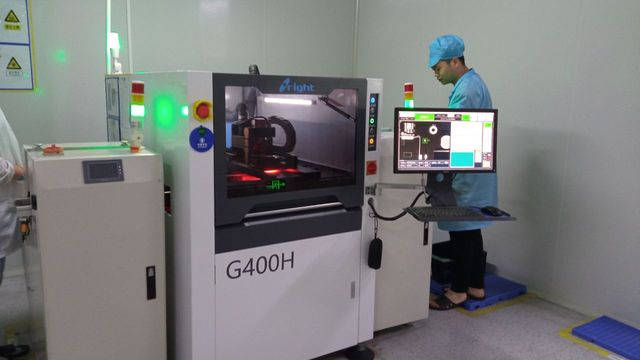
- In-house PCB routing and SMT placement machines for rapid iteration
- Capacity to support customization: color-coded silkscreen, labeled pinouts, or integrated level shifters
Cross-reference supplier claims with sample evaluations and documented first-article test reports.
Transaction and Procurement Safeguards
Utilize third-party inspection services for initial batch validation, particularly for orders exceeding 1,000 units. Request samples before full production to verify mechanical fit, labeling clarity, and solder joint quality. Confirm that packaging includes anti-static shielding and humidity indicators for safe international shipping. MOQs typically range from 50 to 500 units, with pricing decreasing incrementally beyond 5,000 units.
What Are the Best Raspberry Pi 4 Pinout Suppliers?
| Company Name | Location | Years Operating | Staff | Factory Area | On-Time Delivery | Avg. Response | Ratings | Reorder Rate |
|---|
Performance Analysis
Due to absence of available supplier data, performance benchmarking cannot be conducted. However, industry patterns indicate that established electronics manufacturers in Shenzhen and Suzhou typically offer higher process stability, with on-time delivery rates exceeding 97% and response times under 4 hours. Suppliers with dedicated R&D teams are better equipped to handle custom pinout configurations, such as mirrored layouts or extended connectors for industrial enclosures. In lack of verified profiles, buyers should prioritize partners with documented Raspberry Pi accessory production experience and request reference designs or client project examples.
FAQs
How to verify Raspberry Pi 4 pinout supplier reliability?
Validate technical documentation against the official Raspberry Pi 4 schematic. Request sample units to test physical dimensions, plating quality, and labeling accuracy. Confirm compliance with IPC-A-610 Class 2 standards for electronic assemblies. Review supplier history for participation in open-source hardware communities or certified distributor status.
What is the average sampling timeline?
Standard sample production takes 7–14 days, depending on customization level. Fully assembled breakout boards with silkscreen labeling require up to 10 days, while simple header-only samples ship in 5–7 days. Air freight adds 5–8 days for international delivery.
Can suppliers ship Raspberry Pi 4 pinout components worldwide?
Yes, most electronics suppliers support global shipping via express couriers (DHL, FedEx) or consolidated air freight. Confirm Incoterms (typically FOB Shenzhen or EXW) and ensure proper export documentation for PCB assemblies. Duty applicability varies by destination; U.S. and EU imports may require FCC/CE declarations.
Do manufacturers provide free samples?
Sample policies vary. Some suppliers offer one free sample for qualified buyers placing future volume orders. Others charge a nominal fee (USD 5–15) covering material and handling, refundable upon order confirmation. Free samples are rarely issued without verified business credentials.
How to initiate customization requests?
Submit detailed specifications including board dimensions, connector type (straight/angled), silkscreen language/layout, and any integrated circuitry (e.g., voltage regulators). Reputable suppliers provide design approval proofs within 48 hours and deliver prototypes within 2–3 weeks.





