





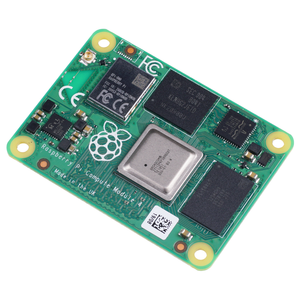
Raspberry Pi 5


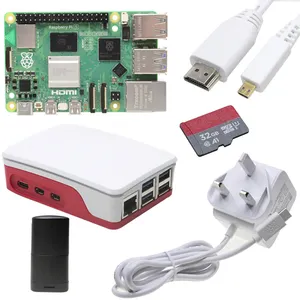

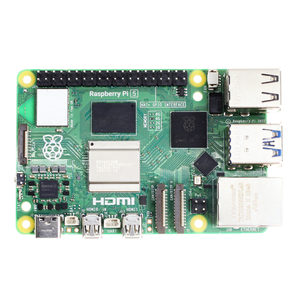
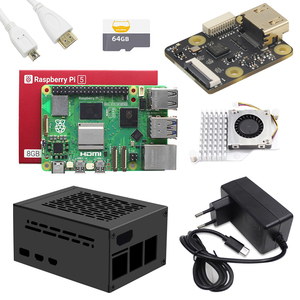




 Top sponsor listing




 1/3
1/3


 1/2
1/2


 1/3
1/3




 1/11
1/11


 0
0
 1/3
1/3


 1/2
1/2




 1/3
1/3


 1/3
1/3




 1/3
1/3



 1/2
1/2




 0
0
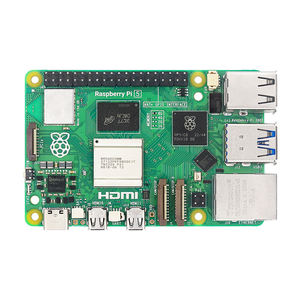


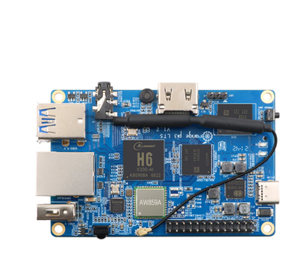 0
0

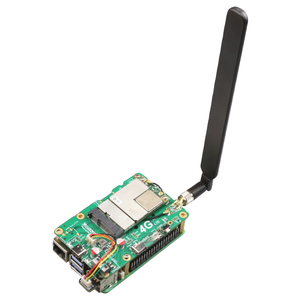

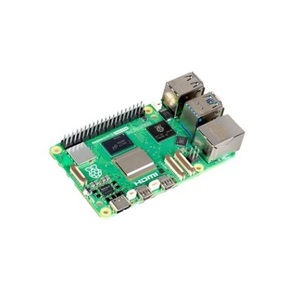
 1/13
1/13



 0
0


 1/3
1/3




 1/3
1/3




 1/1
1/1
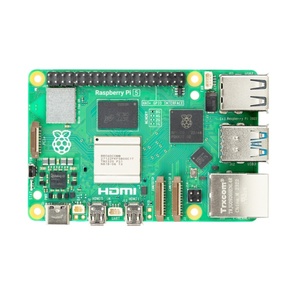
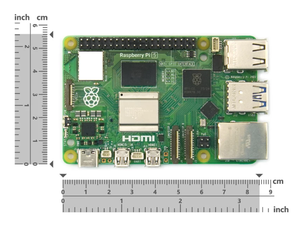
About raspberry pi 5
Where to Find Raspberry Pi 5 Suppliers?
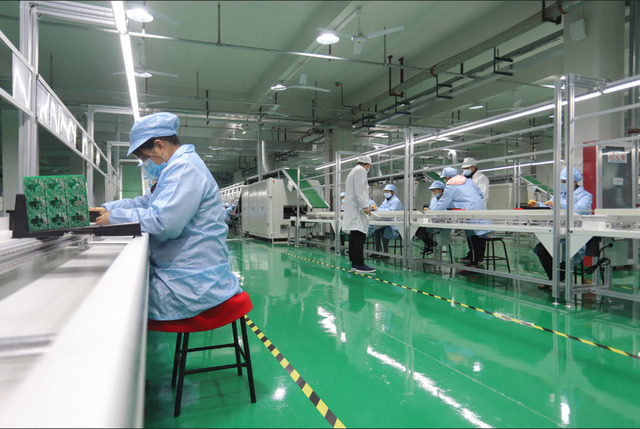
China remains a central hub for single-board computer manufacturing, with Shenzhen-based electronics suppliers dominating the Raspberry Pi 5 supply chain. The city’s advanced electronics ecosystem enables tight integration between component sourcing, PCB assembly, and final testing—facilitating rapid turnaround for both small-scale developers and bulk industrial buyers. Key advantages include access to mature logistics networks, proximity to semiconductor distributors, and established compliance frameworks for international exports.
Suppliers in this sector benefit from vertical integration across development boards, power modules, and wireless communication components, allowing bundled solutions for IoT, automation, and edge computing applications. Lead times typically range from 7–15 days for in-stock units, with customization options available for memory configuration, branding, and peripheral integration. Cost efficiencies stem from localized procurement of ICs and connectors, yielding 15–25% lower pricing compared to Western distributors under equivalent order volumes.
How to Choose Raspberry Pi 5 Suppliers?
Evaluate potential partners using the following criteria to ensure reliability and technical alignment:
Technical Compliance & Authenticity
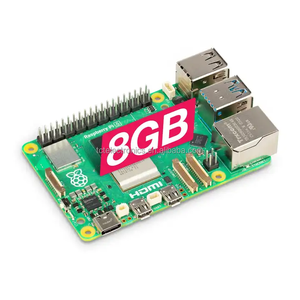
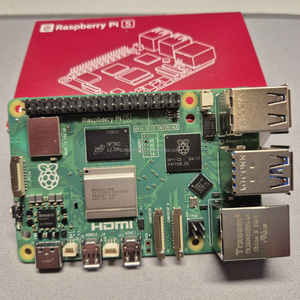
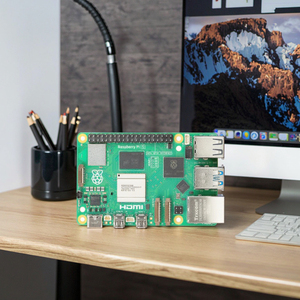
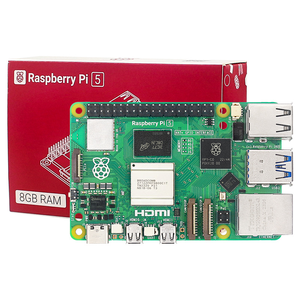
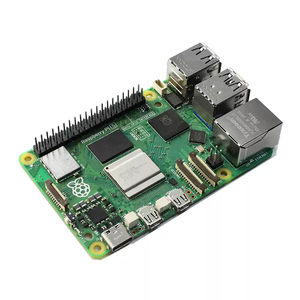
Confirm product authenticity through verifiable sourcing channels. While formal certifications like ISO 9001 or RoHS are not universally listed, prioritize suppliers who provide detailed specifications, including RAM variants (2GB, 4GB, 8GB, 16GB), SoC details (Broadcom BCM2712), and clock speed (2.4GHz quad-core). For regulated deployments, validate electromagnetic compatibility (EMC) and safety standards applicable to end markets.
Production and Fulfillment Capacity
Assess operational scale via key performance indicators:
- On-time delivery rate exceeding 96%
- Response time under 6 hours (top-tier suppliers respond within 2–3 hours)
- Reorder rates below 15% indicate low customer churn and satisfaction stability
- Monthly online revenue exceeding US $20,000 suggests consistent transaction volume
Cross-reference product listings with shipment histories to verify stock availability and scalability for orders above 50 units.
Transaction Security and Support
Utilize secure payment methods with escrow protection where available. Request sample testing prior to bulk purchase to validate board functionality, thermal performance, and boot consistency. Confirm post-sale support responsiveness, especially for warranty claims or firmware-related queries.
What Are the Best Raspberry Pi 5 Suppliers?
| Company Name | Main Products | On-Time Delivery | Avg. Response | Reorder Rate | Online Revenue | Customization Options |
|---|---|---|---|---|---|---|
| Shenzhen Dalu Electronics Co., Ltd. | Development Boards, Switches, Electronic Modules | 96% | ≤6h | <15% | US $120,000+ | Not specified |
| Shenzhen TCT Electronics Co., Ltd. | Power Drivers, WiFi Modules, Development Kits | 100% | ≤3h | <15% | US $20,000+ | Not specified |
| Shenzhen Shangfeng Electronics Co., Ltd. | Education Boards, Image Sensors, PCBAs | 100% | ≤2h | 50% | US $4,000+ | Not specified |
| Zhenshi Intelligent (Beijing) Technology Co., Ltd. | AR/VR Hardware, Network Cards, Dev Kits | 100% | ≤7h | <15% | US $50,000+ | Not specified |
| Shenzhen Geermax Tech Co., Limited | Single-Board Computers, Custom Assemblies | 100% | ≤3h | 18% | US $120,000+ | Color, material, size, logo |
Performance Analysis
Shenzhen TCT Electronics and Shenzhen Shangfeng stand out for flawless on-time delivery and rapid response times, with Shangfeng achieving sub-2-hour average replies. However, its 50% reorder rate may suggest inconsistent buyer retention or niche market positioning. In contrast, Shenzhen Dalu and Zhenshi Intelligent maintain low reorder rates (<15%), indicating stable, one-time procurement patterns typical of resellers or project-based buyers.
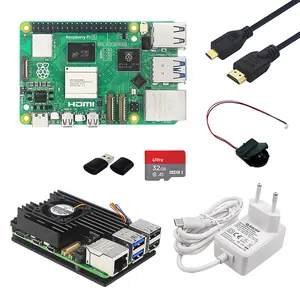
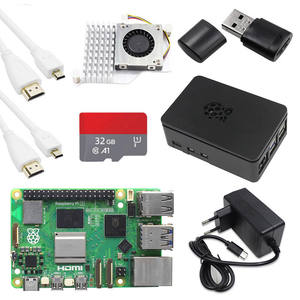
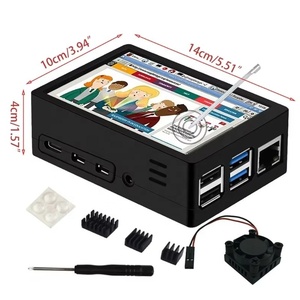
Shenzhen Geermax distinguishes itself with explicit customization capabilities—including color, size, and branding modifications—making it a strategic choice for OEM integrations. With US $120,000+ in reported online revenue and full delivery reliability, it combines scalability with flexibility. Buyers seeking turnkey solutions should prioritize suppliers offering bundled accessories such as power supplies, heatsinks, and cases, which are frequently listed alongside core units.
FAQs
How to verify Raspberry Pi 5 supplier authenticity?
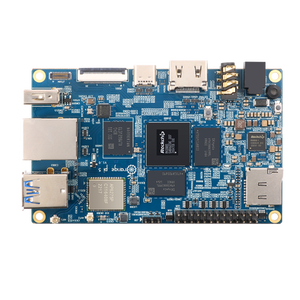
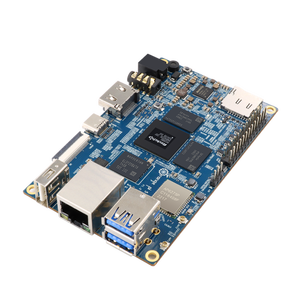
Review product descriptions for precise model nomenclature (e.g., “Raspberry Pi 5 Model B”) and match against official Raspberry Pi Foundation specifications. Request batch photos or serial number verification if large-volume authenticity is critical. Avoid suppliers conflating Raspberry Pi with Orange Pi or other SBC brands unless explicitly differentiated.
What is the typical MOQ and pricing structure?
Most suppliers list minimum order quantities of 1–2 pieces, enabling prototyping access. Bulk pricing applies at 5–50 units, with per-unit costs ranging from $55–$180 depending on RAM configuration. The 16GB variant commands premium pricing ($139–$145), while 2GB models start near $51 for high-volume orders.
Do suppliers offer customization for industrial integration?
Limited but growing support exists. Shenzhen Geermax explicitly lists options for color, material, size, and logo customization, suggesting capability for embedded deployment or branded educational kits. Confirm feasibility via direct inquiry, particularly for conformal coating, extended temperature ranges, or custom BIOS configurations.
Are Raspberry Pi 5 boards export-ready?
Yes, most units are shipped globally with standard packaging and documentation. Suppliers typically handle export declarations and partner with international couriers. Confirm whether VAT, import duties, or regional certification (e.g., FCC, CE) are included in quoted prices, especially for North American or EU destinations.
Can I request samples before placing a bulk order?
Sample availability is common, often fulfilled within 3–7 days. Some suppliers include sample units within initial small orders (1–2 pcs) at retail price points. Factor in $5–$15 shipping fees when evaluating total sampling cost, particularly for air freight to Europe or North America.





