Raspberry Pi Is What




 1/3
1/3

 1/3
1/3


 1/2
1/2



 1/2
1/2



 1/3
1/3

 CN
CN


 1/3
1/3


 1/2
1/2




 1/3
1/3


 1/3
1/3


 0
0




 1/3
1/3











 1/3
1/3



 1/28
1/28


 0
0



 1/31
1/31



 1/2
1/2



 1/3
1/3
About raspberry pi is what
What Is Raspberry Pi and Its Industrial Relevance?
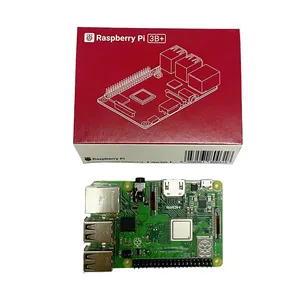
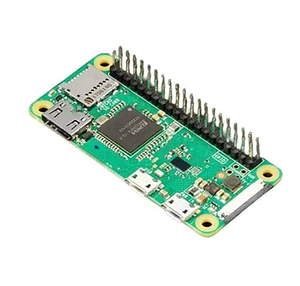
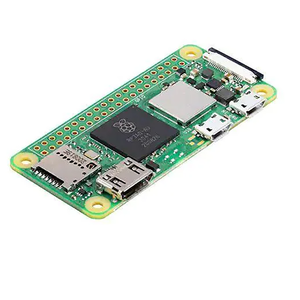
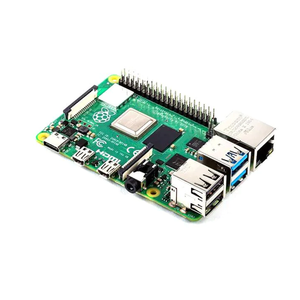
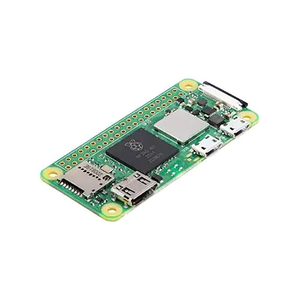
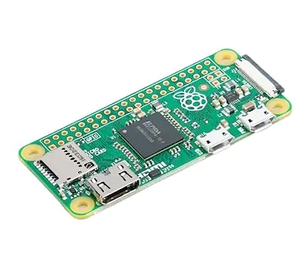
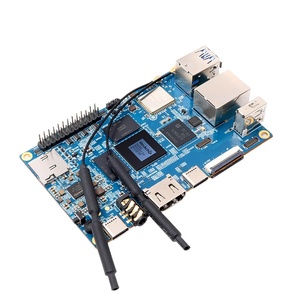
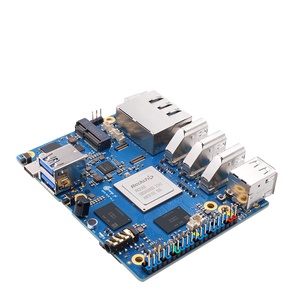
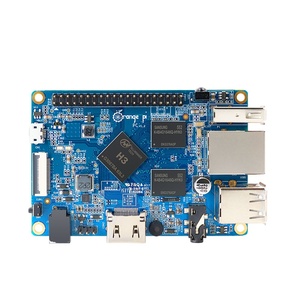
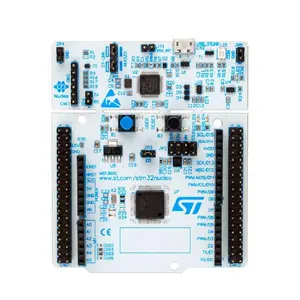
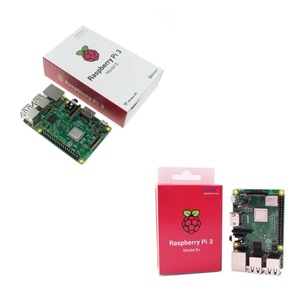
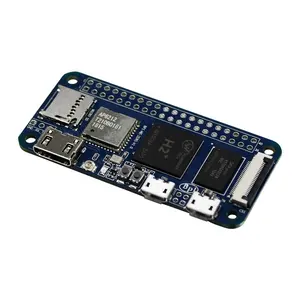
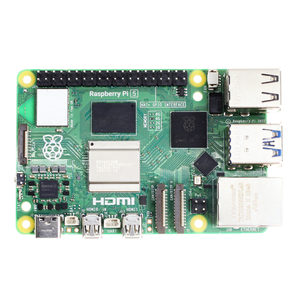
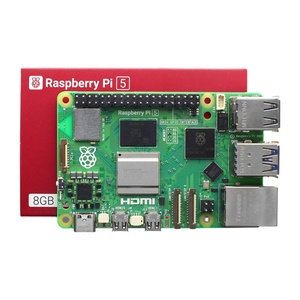
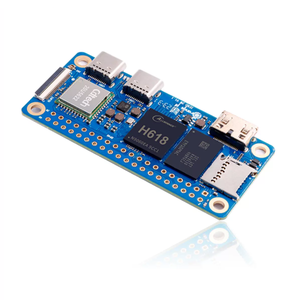
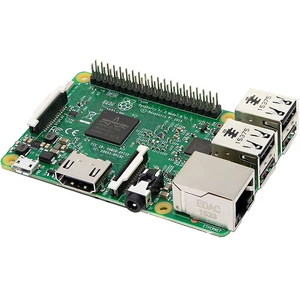
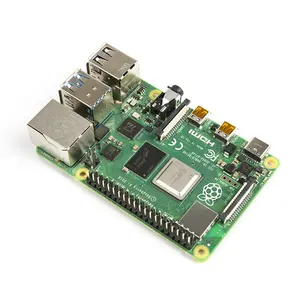
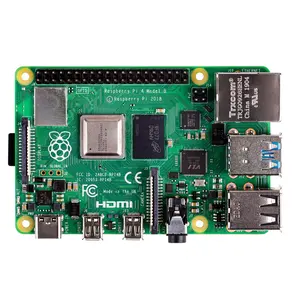
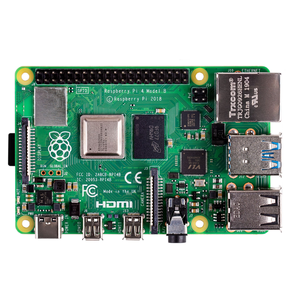
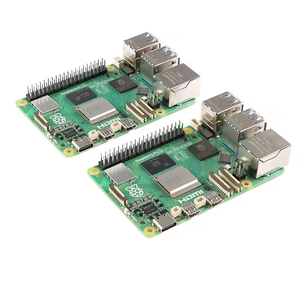
Raspberry Pi is a series of compact, single-board computers developed for educational and industrial applications, enabling low-cost computing, prototyping, and embedded system development. These devices integrate a system-on-chip (SoC) architecture with onboard memory, GPIO pins, and support for multiple I/O interfaces, making them suitable for automation, edge computing, IoT gateways, and human-machine interface (HMI) systems. While not traditional industrial hardware, Raspberry Pi units are widely adopted in semi-ruggedized enclosures for monitoring, control, and data acquisition tasks across manufacturing, agriculture, and smart infrastructure sectors.
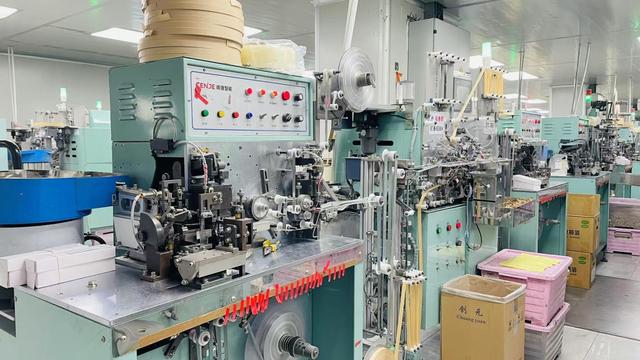
The global supply chain for Raspberry Pi units and compatible accessories is highly decentralized. Unlike conventional machinery with concentrated production hubs, Raspberry Pi boards are designed by the UK-based Raspberry Pi Foundation and manufactured under license by Allied Electronics (a division of Premier Farnell), which coordinates assembly through contract manufacturers in China, Japan, and Malaysia. This model ensures consistent quality and scalability while relying on established electronics supply chains in East Asia. Secondary suppliers—including module integrators and case/accessory producers—are dispersed globally, with notable clusters in Shenzhen (China), Taipei (Taiwan), and Tijuana (Mexico) offering value-added services such as custom imaging, conformal coating, and industrial-grade housing integration.
How to Evaluate Raspberry Pi Suppliers and Integrators?
Procurement decisions should be guided by technical validation, compliance verification, and post-purchase support capabilities:
Product Authenticity & Compliance
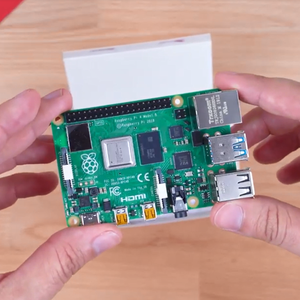
Verify that Raspberry Pi units originate from authorized distributors listed by Raspberry Pi Trading Ltd. Demand serial traceability and packaging authenticity checks to avoid counterfeit or refurbished units. For industrial deployment, confirm RoHS and REACH compliance; CE and FCC declarations must be available for electromagnetic compatibility (EMC) and radio frequency (RF) standards. Boards used in regulated environments (e.g., medical or transportation) require additional documentation, including full bill-of-materials (BOM) disclosure.
Integration and Customization Capacity
Assess supplier capability for value-added services:
- Pre-loaded OS images with secure boot configuration
- GPIO pin labeling, protective sleeving, or ESD shielding
- Enclosure integration with IP-rated housings (IP54 or higher)
- Bulk provisioning and MAC address registration
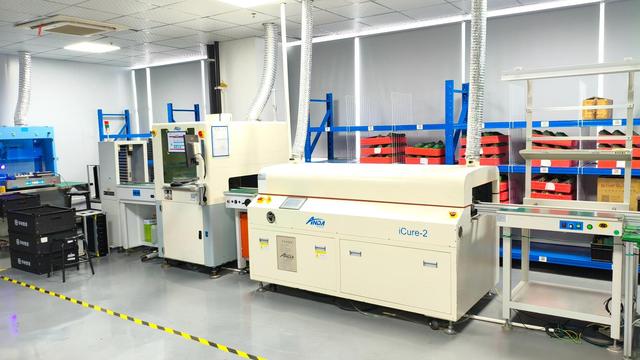
Suppliers serving industrial clients typically maintain cleanroom staging areas and serialized testing logs to ensure consistency.
Supply Chain Resilience and Lead Time Management
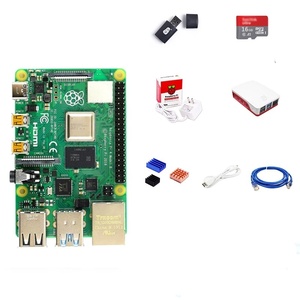
Raspberry Pi availability has historically been subject to semiconductor shortages and allocation policies. Authorized distributors publish real-time stock levels and lead times, typically ranging from 2–8 weeks for standard models. Buyers should prioritize partners with documented inventory buffers or alternative sourcing agreements for equivalent SBCs (single-board computers) during supply disruptions. MOQs are generally low (1–10 units), but volume pricing applies at 100+ units, particularly for bundled kits including power supplies, SD cards, and heatsinks.
What Are Key Considerations When Sourcing Raspberry Pi Solutions?
Given the absence of direct manufacturer competition and tightly controlled distribution, supplier differentiation occurs primarily through service layering rather than product variance. Performance metrics focus on logistics responsiveness, technical support depth, and customization turnaround:
- On-time delivery rates exceeding 95% indicate reliable fulfillment processes
- Avg. response time under 4 hours reflects adequate technical staffing
- Reorder rates above 40% suggest strong customer retention due to reliability and support quality
- Warranty terms of ≥1 year with advance replacement options reduce downtime risk
Industrial users benefit most from suppliers offering long-term availability guarantees—critical given Raspberry Pi’s product lifecycle management. The Raspberry Pi 4 Model B, for example, is supported until at least January 2026, but extended availability programs (EOL notifications, last-time buys) must be confirmed directly with authorized partners. Buyers integrating Raspberry Pi into commercial products should also secure written assurance of firmware update access and security patch continuity.
FAQs
How to verify Raspberry Pi supplier authorization?
Cross-reference distributor names against the official list published by Raspberry Pi Trading Ltd. Authorized entities provide digital certificates of authenticity and can generate proof-of-purchase records tied to batch numbers. Unauthorized resellers often source gray-market inventory, increasing risk of damaged, cloned, or non-compliant units.
What is the typical lead time for bulk Raspberry Pi orders?
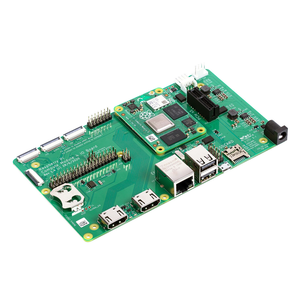
Standard lead times range from 2–6 weeks for in-stock models. High-demand periods (e.g., Q4 education sector procurement) may extend delays to 8–10 weeks. Allocated components like the Raspberry Pi CM4 (Compute Module) require registration with lead-time forecasts updated monthly.
Can Raspberry Pi suppliers support global shipping?
Yes, authorized distributors manage international logistics via DHL, FedEx, or sea freight for containerized orders. CIF/FOB terms apply depending on order size. Import compliance documentation—including HS codes (8543.70), duty assessments, and country-specific certifications—is provided upon request.
Do suppliers offer free samples?
Sample policies vary: educational institutions and qualified developers may receive discounted or complimentary units through promotional programs. Commercial buyers typically pay full sample cost, which may be credited toward first production orders exceeding 50 units.
How to initiate customization requests?
Submit detailed specifications covering OS image requirements, storage preloading (e.g., encrypted Linux builds), hardware modifications (fan mounting, antenna connectors), and labeling needs. Reputable integrators provide test units within 5–7 days and scale production within 3 weeks for orders under 1,000 units.





