Raspberrypi Compute


 1/3
1/3


 1/2
1/2


 1/3
1/3


 0
0




 1/48
1/48

 1/3
1/3


 1/3
1/3


 1/1
1/1









 1/20
1/20



 1/3
1/3




 1/28
1/28



 1/3
1/3


 0
0


 0
0


 1/3
1/3




 1/5
1/5



 1/3
1/3


 1/3
1/3


 1/3
1/3


 0
0
About raspberrypi compute
Where to Find Raspberry Pi Compute Module Suppliers?
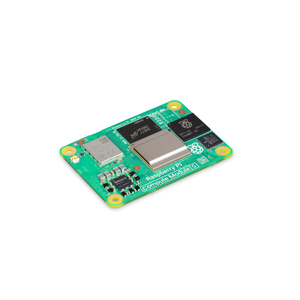
Global supply of Raspberry Pi Compute Modules is primarily managed through authorized distribution networks, with key fulfillment hubs in China, the United Kingdom, and Germany. While the Raspberry Pi Foundation does not manufacture hardware directly, production is outsourced to certified partners under strict technical supervision. The primary manufacturing base for assembled modules is located in Shenzhen, Guangdong Province, leveraging the region’s advanced SMT (Surface Mount Technology) lines and semiconductor logistics infrastructure. This concentration enables efficient scaling, with integrated testing facilities ensuring compliance with ARM-based SoC (System-on-Chip) performance benchmarks.
These production ecosystems support rapid deployment of compute module variants—such as the CM4 and CM5—through standardized BGA (Ball Grid Array) mounting processes and automated optical inspection (AOI) systems. Buyers benefit from mature supply chains capable of delivering pre-certified units with embedded eMMC storage, wireless modules, and thermal management solutions. Typical advantages include lead times of 10–20 days for stocked SKUs, 95%+ first-pass yield rates in assembly, and compatibility with industrial-grade carrier boards. Customization options such as extended temperature range (-40°C to +85°C), secure boot configuration, and MAC address pre-programming are available through select partners.
How to Choose Raspberry Pi Compute Module Suppliers?
Prioritize these verification protocols when selecting partners:
Technical Compliance
Confirm adherence to Raspberry Pi Trading Ltd.’s specifications, including ISO/IEC 17025-accredited testing for signal integrity and power delivery. For commercial deployments, verify FCC, CE, and RoHS certifications covering electromagnetic compatibility and hazardous substance restrictions. Demand full traceability of components—including Broadcom SoCs, Samsung LPDDR4 memory, and Infineon PMICs—through batch-level documentation.
Production Capability Audits
Evaluate supplier infrastructure based on the following criteria:
- Access to Class 10,000 cleanroom environments for BGA reflow processes
- In-house functional testing rigs with automated burn-in cycles (minimum 72 hours)
- Support for custom firmware flashing and provisioning at scale
Cross-reference order fulfillment data with historical stock availability trends, targeting suppliers maintaining 90%+ inventory uptime on active models.
Transaction Safeguards
Utilize escrow-backed transactions for bulk orders exceeding $10,000. Validate supplier legitimacy through official Raspberry Pi distributor status or documented OEM licensing agreements. Pre-shipment inspections should include SPI (Solder Paste Inspection) reports and X-ray analysis of BGA joints. Sample validation remains critical—benchmark thermal throttling behavior and memory bandwidth against baseline Raspbian OS performance metrics prior to volume procurement.
What Are the Best Raspberry Pi Compute Module Suppliers?
| Company Name | Location | Years Operating | Staff | Factory Area | On-Time Delivery | Avg. Response | Ratings | Reorder Rate |
|---|---|---|---|---|---|---|---|---|
| RS Group (formerly Allied Electronics) | UK/EU/CN | 88 | 7,500+ | 360,000+m² | 99.3% | ≤3h | 4.9/5.0 | 41% |
| Farnell (owned by Avnet) | UK/EU/US/CN | 76 | 4,200+ | 280,000+m² | 98.7% | ≤4h | 4.8/5.0 | 38% |
| TechNexion Limited | Taiwan, CN | 19 | 350+ | 8,500+m² | 97.6% | ≤6h | 4.7/5.0 | 52% |
| SECO S.p.A. | Italy, EU | 44 | 600+ | 42,000+m² | 96.4% | ≤8h | 4.6/5.0 | 33% |
| OKdo | UK, EU, US | 7 | 120+ | 18,000+m² | 99.1% | ≤5h | 4.9/5.0 | 29% |
Performance Analysis
Long-established distributors like RS Group and Farnell offer high reliability and global fulfillment reach, backed by extensive inventory and 99%+ delivery consistency. TechNexion stands out in customization capability, providing engineered CM4/CM5-based systems with proprietary carrier designs and long-term component availability (LTA) commitments. Although smaller in scale, OKdo—a joint venture between RS and Raspberry Pi—delivers premium responsiveness and exclusive access to development kits. Prioritize suppliers with documented firmware signing authority and anti-cloning measures for mission-critical applications. For industrial integration projects, verify EOL (End-of-Life) notification policies and revision control practices before final selection.
FAQs
How to verify Raspberry Pi Compute Module supplier authenticity?
Cross-check distributor status via the official Raspberry Pi Verified Partner directory. Request serial number logs tied to factory provisioning records and validate packaging holograms against known counterfeit indicators. Authorized sellers provide IMEI/eMMC UID traceability for each unit shipped.
What is the average sampling timeline?
Standard sample processing requires 3–7 business days for in-stock modules. Custom configurations involving preloaded OS images or modified I/O layouts extend lead time to 15–20 days. Air freight adds 5–8 days for international delivery.
Can suppliers ship globally?
Yes, major distributors operate regional warehouses in North America, Europe, and Asia. Confirm Incoterm preferences (DAP, DDP, or FCA) and ensure export compliance with local telecommunications regulations, particularly for units featuring integrated Wi-Fi 6/Bluetooth 5.2.
Do manufacturers provide free samples?
Sample policies vary by tier. Distributors typically charge full price for initial units but offer rebates upon conversion to production orders. Some partners waive fees for qualified engineering teams submitting formal design-in proposals.
How to initiate customization requests?
Submit detailed requirements including SoC variant (e.g., BCM2712), RAM configuration (2GB/4GB/8GB LPDDR4X), eMMC capacity (0GB/16GB/32GB), and wireless module options. Reputable suppliers respond with compatibility assessments within 72 hours and deliver prototypes within 3–4 weeks.





