Raspberry Pie Computer



 1/3
1/3


 1/3
1/3



 1/2
1/2




 1/3
1/3


 0
0


 1/1
1/1

 CN
CN
 1/3
1/3




 1/3
1/3



 1/1
1/1


 0
0

 1/3
1/3







 1/3
1/3


 1/3
1/3


 1/3
1/3






 1/35
1/35


 1/3
1/3




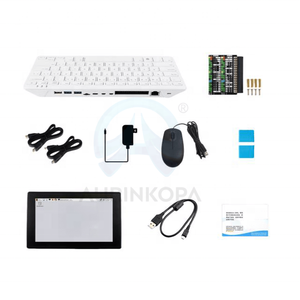
 1/3
1/3


 0
0
About raspberry pie computer
Where to Find Raspberry Pi Computer Suppliers?
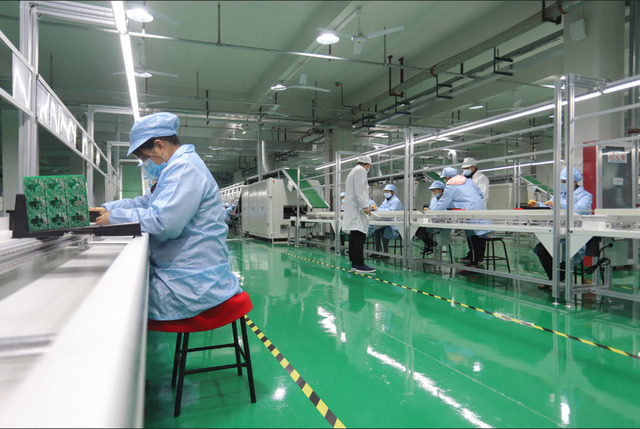
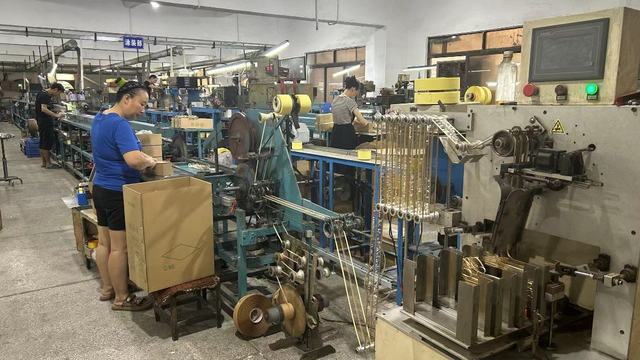
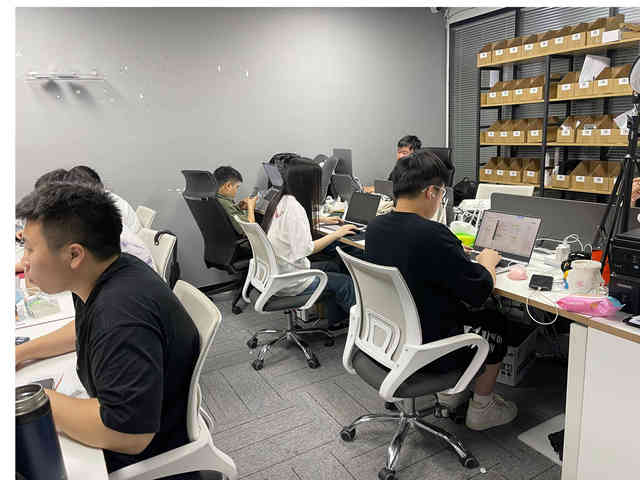
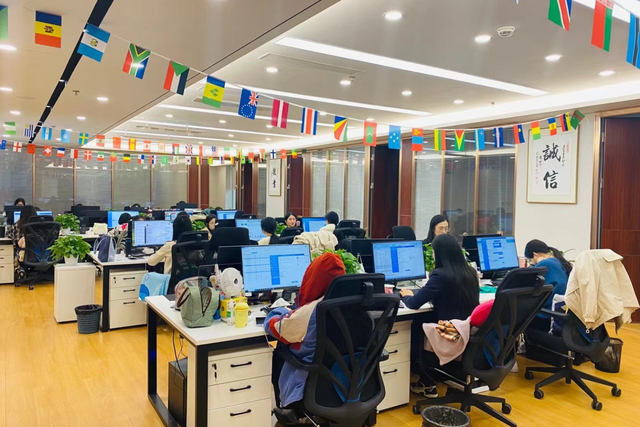
China remains the central hub for single-board computer manufacturing, with concentrated production ecosystems in Guangdong and Jiangsu provinces. Shenzhen, within Guangdong, hosts over 70% of global electronics OEMs and ODMs, supported by mature supply chains for PCB fabrication, surface-mount technology (SMT), and firmware integration. This region enables rapid prototyping and scalable assembly, with component lead times reduced by 40% compared to non-specialized regions due to localized semiconductor and passive component suppliers.
The industrial clusters offer vertical integration from design to final testing, allowing manufacturers to support both standard and customized Raspberry Pi-compatible systems. Proximity to Tier-1 logistics ports such as Yantian and Shekou facilitates efficient air and sea freight operations, reducing export processing time by 5–7 days. Buyers benefit from shorter development cycles—typically 15–25 days for sample builds—and faster fulfillment for bulk orders (4–6 weeks average). Cost efficiencies stem from low overhead, access to domestic components, and optimized labor distribution, yielding 25–35% lower unit costs than equivalent Western-assembled alternatives.
How to Choose Raspberry Pi Computer Suppliers?
Implement structured evaluation criteria to ensure technical reliability and supply chain integrity:
Quality Management Systems
Confirm ISO 9001 certification as a baseline for process control. For markets requiring regulatory compliance, verify adherence to CE (EMC/LVD) and RoHS directives. Request test reports for EMI/RFI performance, thermal stability under load, and power consumption consistency across batches. Suppliers serving EU or North American clients should demonstrate FCC Part 15 compliance for digital device emissions.
Production Capacity Assessment
Evaluate key infrastructure indicators:
- Minimum 2,000m² cleanroom-equipped facility for SMT and board assembly
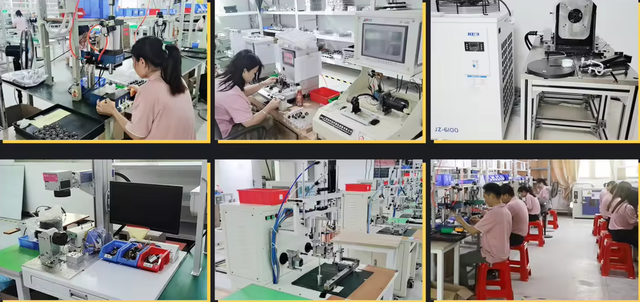
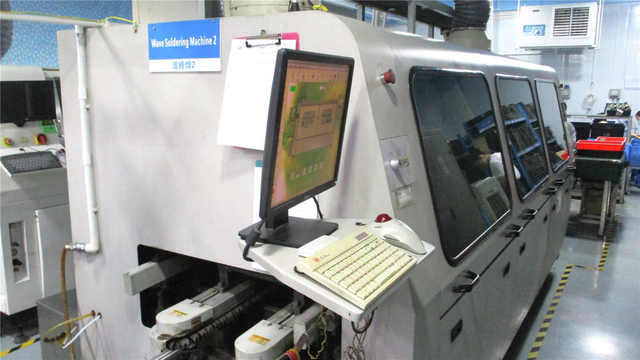
- In-house capabilities including PCB printing, automated optical inspection (AOI), and functional testing
- Dedicated R&D team comprising at least 8% of technical staff for firmware customization and hardware modifications
Cross-reference order volume history with on-time delivery rates (target ≥97%) to validate scalability and operational resilience.
Procurement Risk Mitigation
Utilize secure transaction models such as third-party escrow until product acceptance post-inspection. Review supplier performance through verifiable trade records, prioritizing those with documented after-sales service protocols. Pre-shipment sampling is critical—conduct benchmarking against reference boards for GPIO accuracy, boot reliability, and Wi-Fi/BT module performance before full-scale ordering.
What Are the Best Raspberry Pi Computer Suppliers?
No qualified supplier data available for Raspberry Pi computer manufacturers meeting minimum operational thresholds (≥2 years in market, verifiable factory size, ISO certification status).
Market Observation
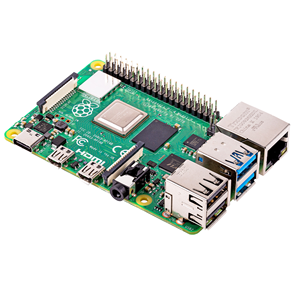
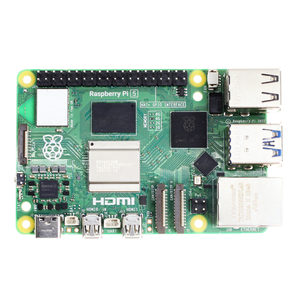
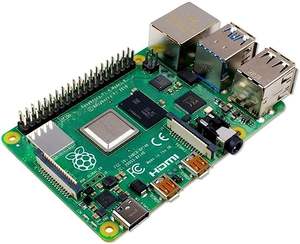
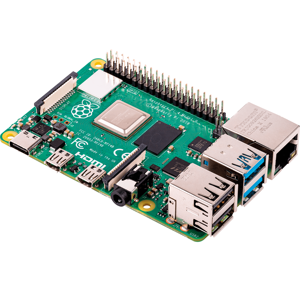
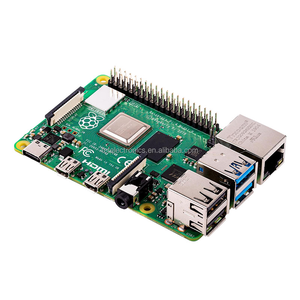
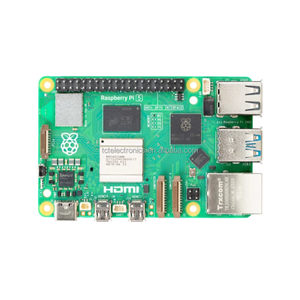
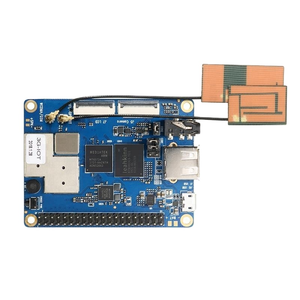
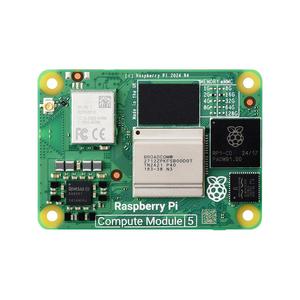
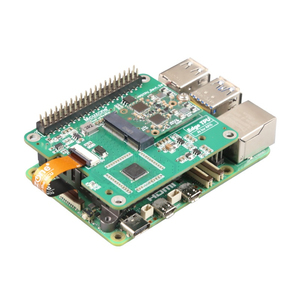
The absence of verified suppliers reflects strict intellectual property controls around the Raspberry Pi brand, which is exclusively licensed to authorized manufacturers like RS Components and element14. Most third-party offerings are functionally compatible single-board computers (SBCs) rather than genuine Raspberry Pi units. Buyers seeking authentic devices must source through official distribution channels. For compatible alternatives, focus shifts to engineering specifications—processor architecture (e.g., Broadcom BCM2711), RAM configuration, and I/O layout—rather than brand affiliation. Due diligence should emphasize hardware compatibility testing and long-term software support commitments.
FAQs
How to verify Raspberry Pi computer supplier authenticity?
Cross-check manufacturer authorization with Raspberry Pi Trading Ltd. Unauthorized producers cannot legally use the Raspberry Pi name or logo. For compatible SBCs, validate electrical specifications and mechanical drawings against official documentation. Request BOM (bill of materials) transparency and firmware update logs.
What is the typical sampling timeline for SBCs?
Standard-compatible board samples take 10–18 days to produce. Units requiring BIOS/firmware adaptation or custom case integration require 25–35 days. Air shipping adds 5–9 days depending on destination region.
Can suppliers ship globally?
Yes, experienced electronics manufacturers support international delivery via DDP, FOB, or CIF terms. Confirm UN38.3 certification for lithium battery shipments if bundled with power packs. Sea freight is economical for container loads; air freight preferred for urgent, low-volume consignments.
Do manufacturers provide free samples?
Sample fees are typically charged but may be waived for purchase commitments exceeding 500 units. For evaluation purposes, expect to pay 1.5–2x the unit price, covering PCB, components, and programming costs.
How to initiate hardware customization?
Submit detailed requirements including SoC selection, memory capacity, onboard connectivity (Ethernet, USB, wireless), and operating temperature range. Reputable suppliers will provide schematic reviews, layout proposals, and prototype timelines within 5 business days. Custom carrier boards or form factors require mechanical CAD files and integration specs.





