Serial Peripheral Interface


 1/3
1/3




 1/3
1/3


 1/3
1/3

 0
0



 0
0


 0
0

 1/3
1/3




 1/4
1/4




 1/1
1/1

 0
0


 1/3
1/3


 1/3
1/3



 0
0



 1/3
1/3

 1/3
1/3


 1/3
1/3



 1/3
1/3


 1/3
1/3


 1/1
1/1


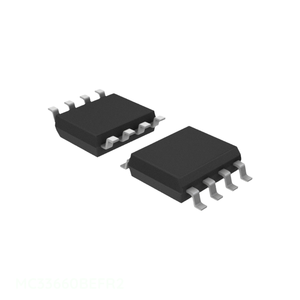 0
0
About serial peripheral interface
Where to Find Serial Peripheral Interface Suppliers?
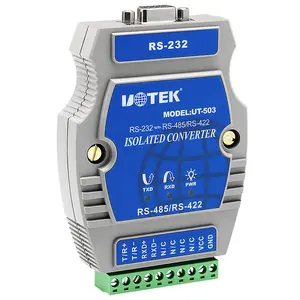
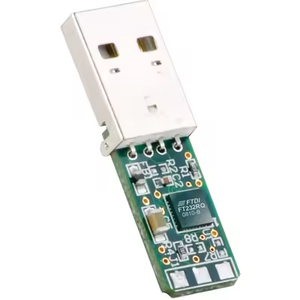
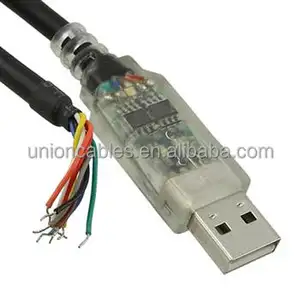
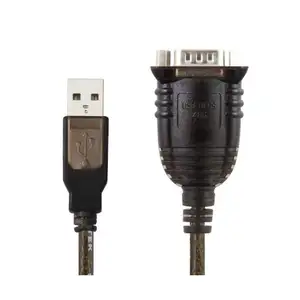
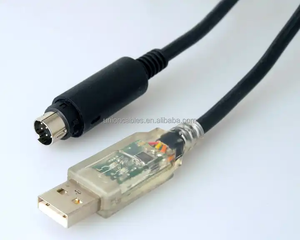
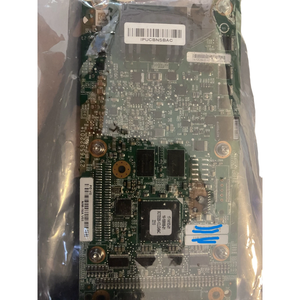
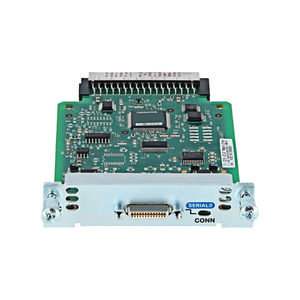
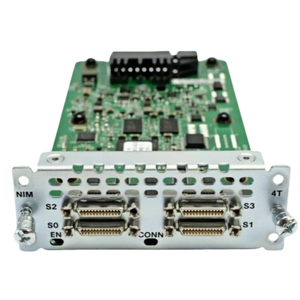
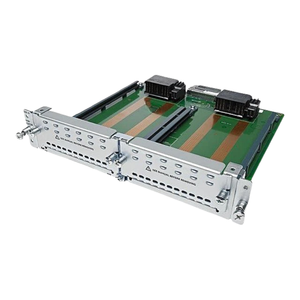
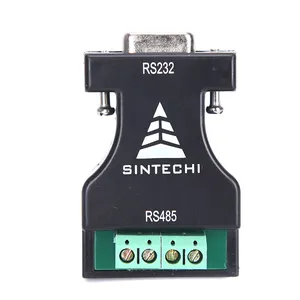
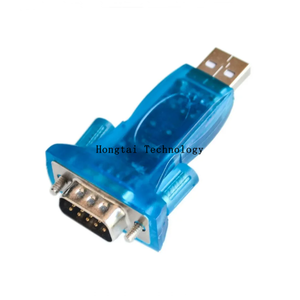
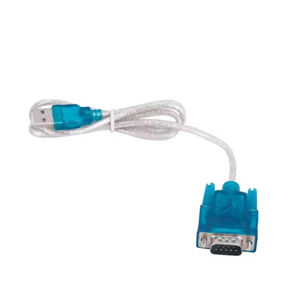
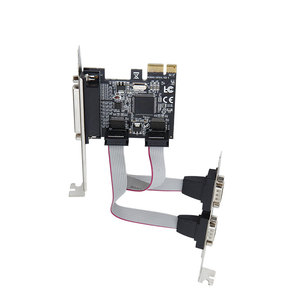
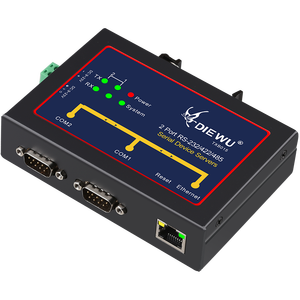
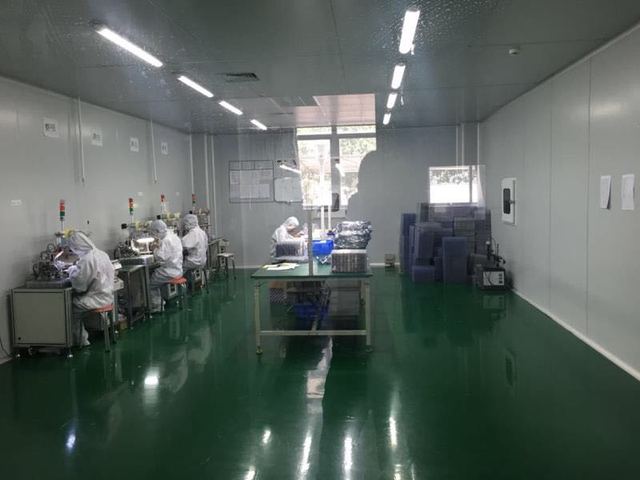
China remains the central hub for serial peripheral interface manufacturing, with key production clusters in Shenzhen and Beijing driving innovation and volume output. Shenzhen-based suppliers dominate in compact serial-to-USB and RS232/RS485 converter modules, leveraging localized access to semiconductor packaging facilities and surface-mount technology (SMT) lines. These manufacturers typically integrate FTDI and compatible ICs into PCB-level interface solutions, supporting high-volume orders at competitive pricing. Beijing’s ecosystem specializes in enterprise-grade network interface modules, including Cisco-compatible NIM cards, benefiting from proximity to telecommunications R&D centers and component testing labs.
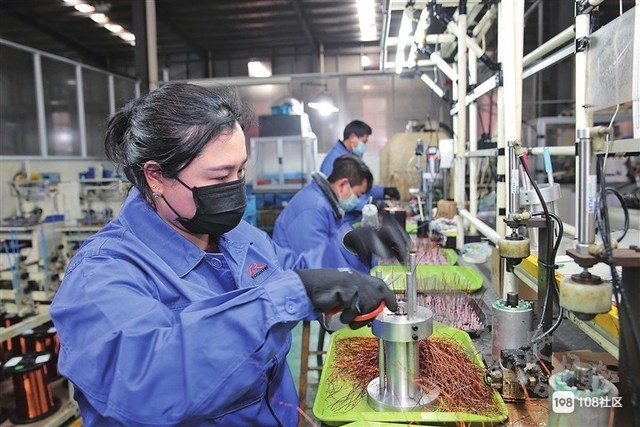
The industrial concentration enables vertically integrated production, where design, prototyping, and assembly occur within tightly coordinated supply networks. This structure reduces component sourcing delays and supports rapid iteration for custom firmware or pin configurations. Buyers benefit from scalable MOQs—some as low as one unit—and lead times averaging 7–15 days for standard items. Localized logistics further reduce shipping costs, particularly for亚太 and European markets, while established quality control protocols ensure compliance with international electronic standards.
How to Choose Serial Peripheral Interface Suppliers?
Effective supplier selection requires a structured evaluation across technical, operational, and transactional dimensions:
Technical Compliance
Verify adherence to industry-standard protocols such as RS232, RS485, SPI, I²C, and USB 2.0 specifications. For industrial applications, confirm electrostatic discharge (ESD) protection levels (≥±8kV contact discharge) and operating temperature ranges (−20°C to +70°C). While explicit ISO 9001 certification is not listed in available data, prioritize suppliers demonstrating consistent on-time delivery (≥98%) and documented test procedures for signal integrity and data throughput.
Production Capability Assessment
Evaluate supplier infrastructure through indirect indicators:
- Monthly output capacity inferred from listing volume and reorder metrics
- In-house PCB assembly and firmware programming capabilities
- Support for both prototype sampling (MOQ: 1–10 pieces) and bulk production (MOQ: 50+ units)
Cross-reference response time (≤5 hours preferred) and online revenue tiers as proxies for operational scale and customer service responsiveness. Suppliers with diversified product portfolios in data cables, adapters, or telecom equipment often possess broader engineering support.
Transaction Safeguards
Utilize secure payment methods with escrow functionality to mitigate risk during initial procurement. Analyze historical performance metrics: 100% on-time delivery rates are reported by multiple suppliers, indicating reliable fulfillment. Request sample units to validate compatibility with host systems, especially when integrating legacy serial devices with modern USB infrastructure. Confirm return policies and warranty terms prior to full-scale ordering.
What Are the Best Serial Peripheral Interface Suppliers?
| Company Name | Location | Main Products | Online Revenue | On-Time Delivery | Avg. Response | Reorder Rate | Sample MOQ | Price Range (USD) |
|---|---|---|---|---|---|---|---|---|
| Shenzhen Shixiweiye Technology Co., Ltd. | Shenzhen, CN | Serial interface cards, motherboard components | $20,000+ | 95% | ≤5h | <15% | 1 piece | $29.99–$36.90 |
| Utek Technology (Shenzhen) Co., Ltd. | Shenzhen, CN | Industrial RS232/RS485 adapters, USB converters | $10,000+ | 100% | ≤3h | <15% | 1 piece | $7.10–$67.20 |
| Shenzhen Union Electronics Co., Ltd. | Shenzhen, CN | FTDI-based USB-to-serial modules, PCB interfaces | $100,000+ | 100% | ≤4h | <15% | 1–50 pieces | $5.00–$10.00 |
| Beijing Ruilian Far Tong Network Technology Co., Ltd. | Beijing, CN | Cisco-compatible NIM modules, WAN interface cards | $10,000+ | 100% | ≤2h | 16% | 1 piece | $55–$850 |
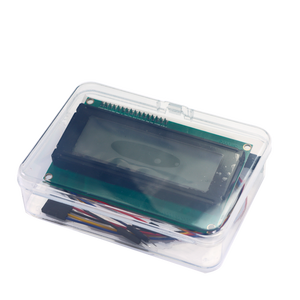
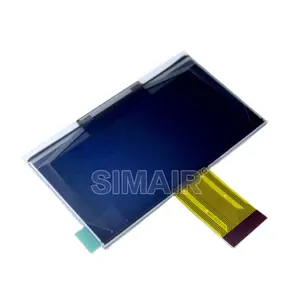
| Wuxi Siminuo Technology Co., Ltd. | Wuxi, CN | LCD/OLED displays with SPI/I²C interfaces | $60,000+ | 98% | ≤3h | <15% | 1–2 pieces | $1.88–$28.80 |
Performance Analysis
Shenzhen-based suppliers offer cost-effective entry points for USB-to-serial and industrial interface modules, with Shenzhen Union Electronics providing some of the lowest per-unit prices due to high-volume PCB production. Utek Technology stands out for reliability (100% on-time delivery) and fast response, making it suitable for urgent procurement cycles. Beijing Ruilian Far Tong serves niche enterprise networking needs with premium-priced Cisco-compatible modules, requiring higher minimum investments but ensuring interoperability in mission-critical environments. Wuxi Siminuo caters to embedded system integrators, offering display modules with built-in serial interfaces at highly competitive rates. Reorder rates below 15% across most suppliers suggest limited post-sale engagement, emphasizing the importance of upfront technical validation.
FAQs
How to verify serial peripheral interface supplier reliability?
Assess reliability through documented delivery performance (target ≥98%), response time consistency (≤5h), and verifiable product specifications. Request sample units to test signal stability, driver compatibility, and build quality. Review seller transaction history and customer feedback where available.
What is the typical sampling timeline?
Standard samples ship within 3–7 business days after order confirmation. Custom modifications—such as altered pinouts, extended cable lengths, or specialized firmware—may require 10–15 days depending on complexity.
Can suppliers accommodate customization?
Yes, many suppliers support tailored designs, including custom PCB layouts, labeling, and firmware configuration. Minimum order quantities for customized versions typically start at 50 units, though some accept smaller batches for minor revisions.
Do suppliers offer global shipping?
All listed suppliers provide international shipping. Shipping methods include express couriers (DHL, FedEx) for samples and air freight for bulk orders. Sea freight options may be available for container-sized shipments upon request.
What are common packaging and export standards?
Products are generally packaged in anti-static bags with protective foam or blister packs. Export documentation includes commercial invoices and packing lists. Compliance with RoHS directives should be confirmed for EU and UK market imports.





