Types Of Memory In Pc





 0
0







 1/11
1/11


 1/3
1/3


 0
0





 0
0




 1/1
1/1






 1/31
1/31


 1/15
1/15



 1/2
1/2


 1/3
1/3



 1/13
1/13




 1/11
1/11




 1/3
1/3
 1/2
1/2

 1/10
1/10




 1/2
1/2


 1/19
1/19


 1/3
1/3
About types of memory in pc
Where to Find Suppliers for Types of Memory in PC?
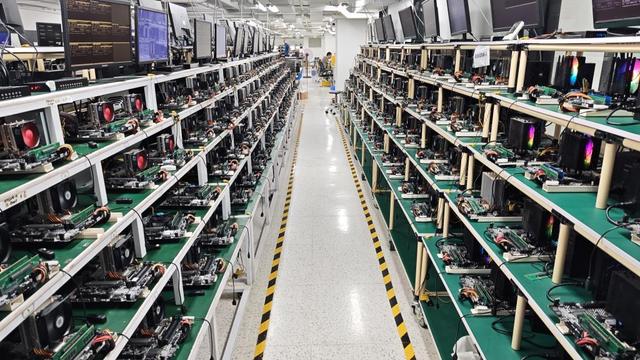
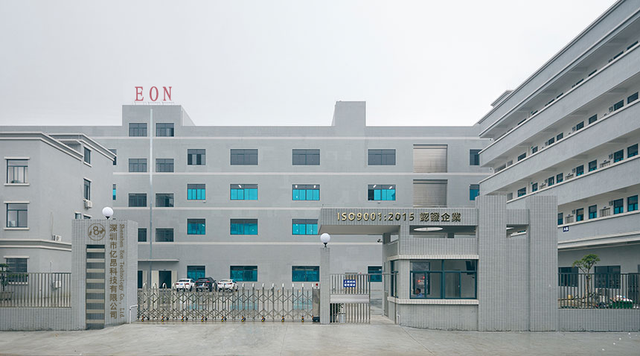
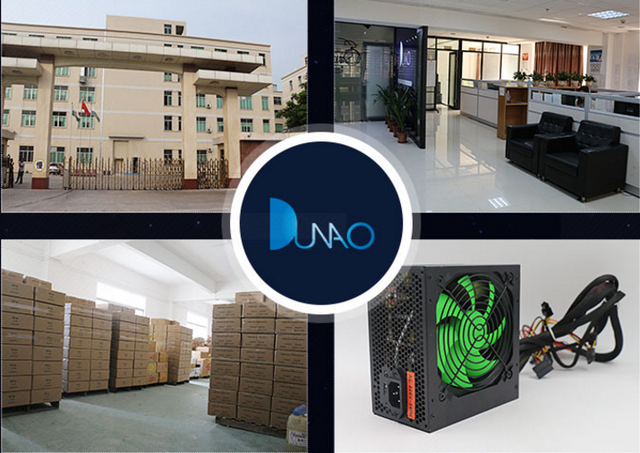
Global production of computer memory modules is heavily concentrated in East Asia, with China, South Korea, and Taiwan forming the core manufacturing hubs. China accounts for over 40% of DRAM and NAND assembly operations, supported by state-backed semiconductor initiatives and mature electronics supply chains. Key industrial clusters in Shanghai, Suzhou, and Shenzhen host vertically integrated facilities capable of handling PCB fabrication, IC packaging, and final module testing under one ecosystem.
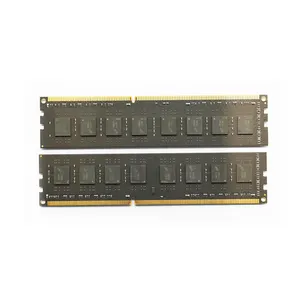
These regions benefit from proximity to raw material suppliers—particularly high-purity silicon wafers and copper-clad laminates—as well as advanced SMT (Surface Mount Technology) production lines. This localization reduces component transit time by up to 60% compared to offshore alternatives and enables faster turnaround for both standard and customized memory solutions. Buyers can expect lead times of 15–25 days for bulk orders, with cost advantages ranging from 18–25% due to lower labor overheads and government-subsidized energy inputs. The presence of Tier-1 contract manufacturers also supports scalability, allowing suppliers to accommodate monthly outputs exceeding 500,000 units per facility.
How to Choose Memory Module Suppliers?
Procurement decisions should be guided by rigorous technical and operational assessments:
Quality & Compliance Verification
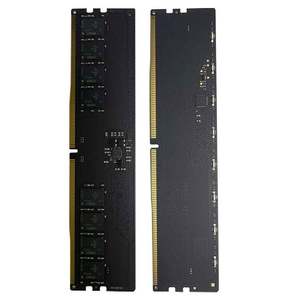
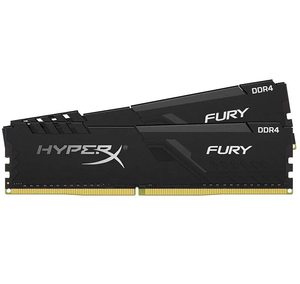
Confirm adherence to JEDEC standards for DDR4, DDR5, LPDDR4, and LPDDR5 memory specifications. ISO 9001 certification is essential for quality management systems, while IATF 16949 indicates automotive-grade process control—valuable for industrial applications. For EU and North American markets, ensure RoHS and REACH compliance to meet environmental regulations.
Production Capability Assessment
Evaluate supplier infrastructure based on the following benchmarks:
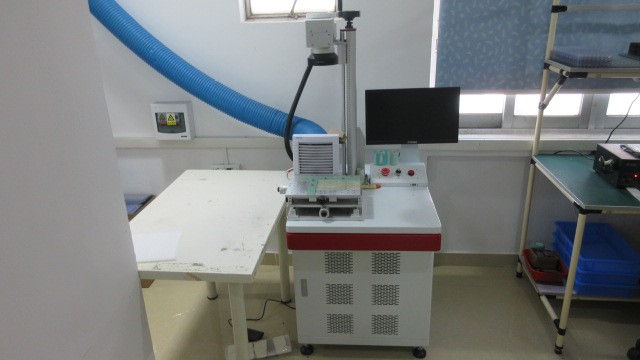
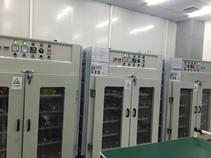
- Minimum 3,000m² cleanroom environment for SMT and reflow soldering
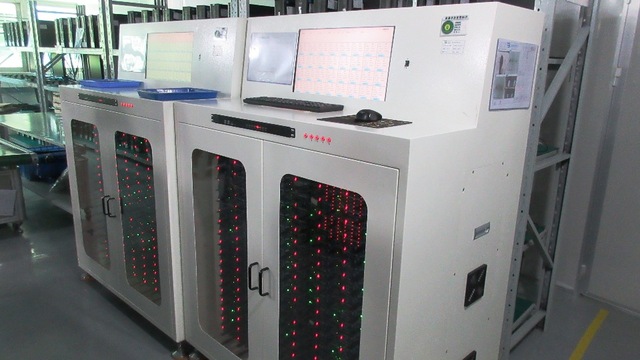
- In-house testing labs equipped for burn-in, signal integrity, and thermal stress validation
- Automated optical inspection (AOI) and X-ray inspection systems for defect detection
Cross-reference production capacity with order volume requirements; suppliers serving OEMs typically maintain dual-source DRAM die partnerships (e.g., Samsung, Micron, SK Hynix) to mitigate supply chain risk.
Transaction Security & After-Sales Support
Utilize escrow-based payment terms until product validation is complete. Request sample batches tested against industry benchmarks such as read/write speed consistency, latency tolerance, and power consumption under load. Prioritize suppliers offering lifetime traceability via serialized batch codes and at least a 3-year warranty period. Review after-sales responsiveness through documented service level agreements (SLAs), particularly for RMA processing and failure analysis reporting.
What Are the Best Memory Module Suppliers?
No supplier data available for direct comparison.
Performance Analysis
In the absence of specific supplier profiles, procurement focus should shift toward evaluating technical documentation transparency and audit readiness. Leading-tier manufacturers typically provide full BOM (Bill of Materials) disclosure, including DRAM die type, memory controller model, and PCB layer count. Mid-tier suppliers may offer competitive pricing but often rely on generic or recycled components—increasing long-term reliability risks. For mission-critical deployments, verify use of original-grade ICs and 10-layer PCB designs that support higher clock speeds and improved heat dissipation. Conduct pre-shipment audits via third-party inspection firms to validate conformance to stated specifications.
FAQs
How to verify memory module supplier reliability?
Audit suppliers using independent inspection reports covering factory conditions, ESD protection protocols, and test yield rates. Validate certifications through official databases and request references from existing clients in similar industries. Analyze customer feedback focusing on field failure rates and technical support responsiveness.
What is the average sampling timeline?
Standard memory samples (unbuffered DDR4/DDR5 UDIMMs) are typically produced within 7–14 days. Registered or ECC modules may require 18–25 days due to additional firmware configuration. Add 5–9 days for international air freight depending on destination.
Can suppliers ship memory modules worldwide?
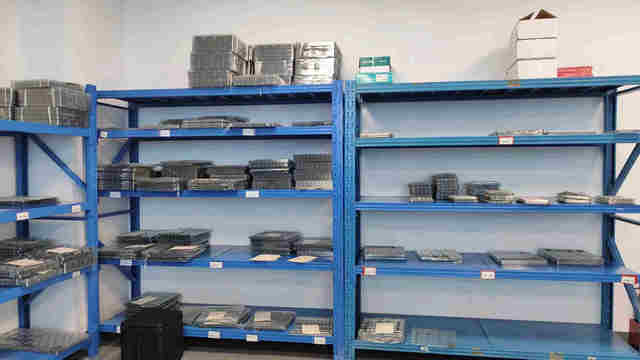
Yes, most established manufacturers support global logistics via air and sea freight. Confirm Incoterms (FOB, CIF, DDP) during negotiation and ensure export compliance with destination-country import codes for electronic components. ESD-safe packaging and humidity-controlled containers are standard for large shipments.
Do manufacturers provide free samples?
Sample policies vary by order potential. Reputable suppliers often waive fees for qualified buyers committing to MOQs above 1,000 units. For smaller evaluations, expect to cover 50–70% of unit cost, which may be credited toward first production run.
How to initiate customization requests?
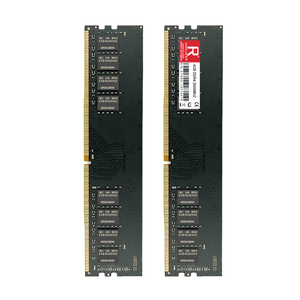
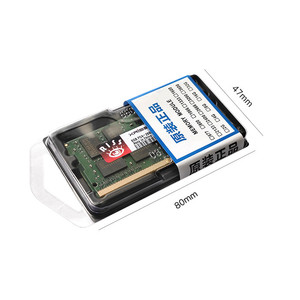
Submit detailed technical requirements including form factor (UDIMM, SO-DIMM, etc.), voltage, speed grade, operating temperature range, and labeling/packaging preferences. Suppliers with in-house firmware programming capabilities can support custom SPD tuning and branding options. Prototype delivery typically follows within 3 weeks of design approval.





