Zip String Producer





 1/3
1/3






 1/1
1/1


 1/3
1/3




 1/3
1/3





 1/18
1/18



 1/3
1/3



 1/43
1/43


 1/39
1/39


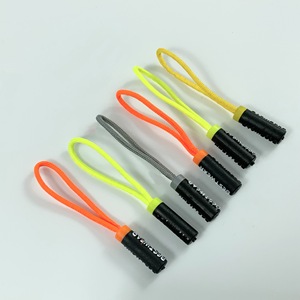

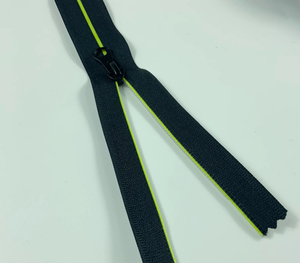
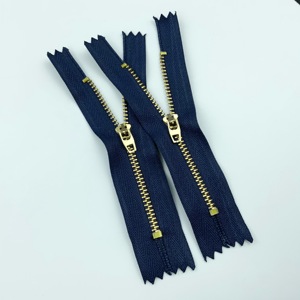
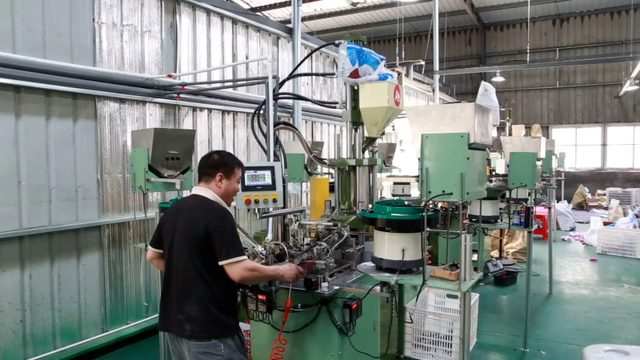 1/3
1/3



 1/10
1/10


 1/1
1/1







 1/15
1/15



 1/29
1/29

 CN
CN


 1/16
1/16







 0
0
About zip string producer
Where to Find Zip String Producers?
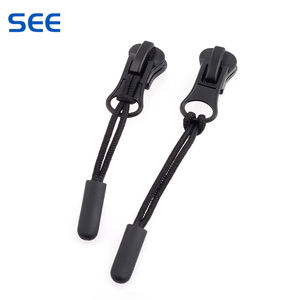
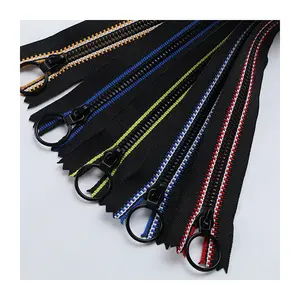
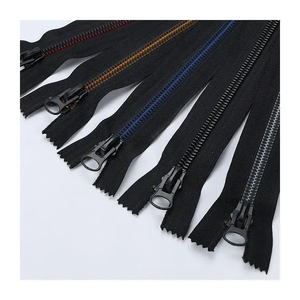
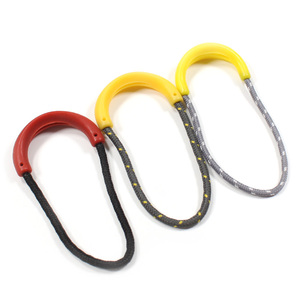
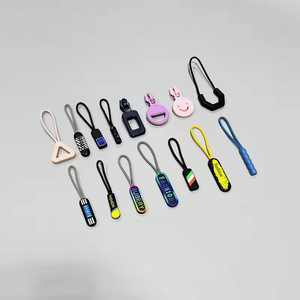
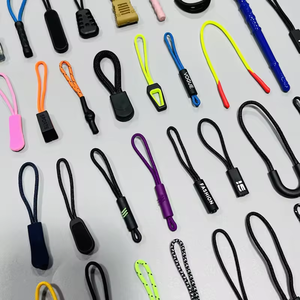
China remains the central hub for zip string manufacturing, with key production clusters in Guangdong, Jiangsu, and Zhejiang provinces. These regions host vertically integrated facilities that combine raw material processing, molding, dyeing, and assembly under one roof, enabling efficient scale production. Shenzhen and Dongguan in Guangdong province specialize in high-precision plastic and rubber components, leveraging proximity to polymer suppliers and export ports. Jiangsu’s textile-accessory corridor supports hybrid production of zippers and pull cords, ideal for integrated garment and bag hardware solutions.
The industrial ecosystem allows for rapid prototyping and low-cost customization, with many producers operating in-house mold-making and printing units. Suppliers typically maintain semi-automated production lines capable of monthly outputs ranging from 500,000 to over 2 million units, depending on complexity. This infrastructure supports competitive pricing—commonly $0.01–$0.35 per unit—with lead times averaging 15–25 days for bulk orders. Buyers benefit from localized supply chains that reduce material procurement cycles and enable just-in-time replenishment for global inventory systems.
How to Choose Zip String Producers?
Procurement decisions should be guided by verified operational metrics and technical capabilities:
Production Infrastructure
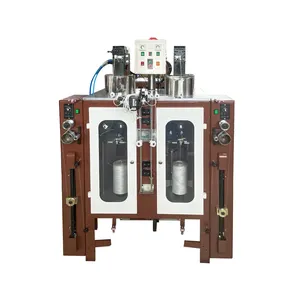
Confirm ownership of dedicated production lines for injection molding (for plastic pulls), cord braiding, and surface finishing (e.g., logo printing, heat-shrink labeling). Suppliers with in-house tooling capacity can accommodate custom shapes and molds without third-party delays. Prioritize companies reporting facility areas exceeding 1,000m² and monthly output capacity above 500,000 pieces to ensure scalability.
Quality Assurance Protocols
While formal ISO certification is not universally declared in the provided data, performance indicators such as on-time delivery rates (>90%) and response times (≤3 hours) serve as proxies for operational discipline. Target suppliers with documented quality control checkpoints, including pre-production sampling, in-line inspections, and final batch testing. Materials should comply with RoHS and REACH standards, particularly for PVC, TPU, and silicone components intended for EU or North American markets.
Customization & Transaction Reliability
Evaluate flexibility in color matching (Pantone or custom batches), logo application (embossing, silk screening, or laser engraving), and packaging configuration. Minimum order quantities (MOQs) vary widely—from 1 piece to 5,000 units—impacting suitability for prototyping versus mass production. Cross-reference reorder rates: values above 25% indicate customer satisfaction and product consistency. Use secure transaction mechanisms and request physical samples before committing to large volumes.
What Are the Best Zip String Producers?
| Company Name | Location | Main Products | Online Revenue | On-Time Delivery | Avg. Response | Reorder Rate | Min. Order Flexibility |
|---|---|---|---|---|---|---|---|
| Shenzhen Lanke Industrial Co., Limited | Shenzhen, CN | Zippers, Sliders, Stoppers, Buckles | US $90,000+ | 93% | ≤8h | <15% | 100–1,000 pcs |
| Guangzhou Shun Yi Xiang Zipper Co., Ltd. | Guangzhou, CN | Custom zipper pulls, nylon sliders, waxed cords | US $40,000+ | 100% | ≤1h | 25% | 100–2,000 pcs |
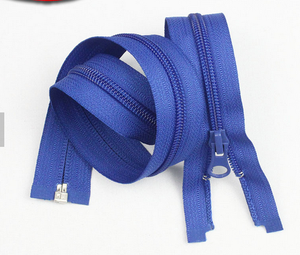
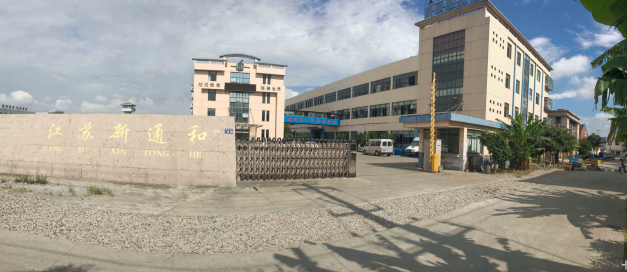
| Jiangsu Xintonghe Zipper Co., Ltd. | Jiangsu, CN | Nylon coil zippers, sliders, hook & loop tapes | US $20,000+ | 92% | ≤2h | 28% | 1–100 pcs |
| Guangzhou Weisheng Zipper Co., Ltd. | Guangzhou, CN | PVC zipper pulls, plastic sliders, buttons | US $50,000+ | 100% | ≤1h | <15% | 10–1,000 pcs |
| Dongguan UTC Accessory Co., Ltd. | Dongguan, CN | TPU pulls, silicone sliders, webbing, labels | US $10,000+ | 80% | ≤3h | 15% | 40–5,000 pcs |
Performance Analysis
Guangzhou-based suppliers demonstrate superior responsiveness, with two firms achieving sub-1-hour average reply times and perfect on-time delivery records. Guangzhou Shun Yi Xiang and Guangzhou Weisheng stand out for consistent logistics performance and mid-range MOQs suitable for small-to-medium buyers. Jiangsu Xintonghe offers the lowest entry barrier with a 1-piece minimum order, ideal for sample validation and niche applications. Shenzhen Lanke leads in revenue volume, suggesting established export activity, though its lower reorder rate may reflect less differentiated offerings. Dongguan UTC provides specialized TPU and silicone components but lags in delivery reliability (80%), indicating potential fulfillment risks for time-sensitive contracts.
FAQs
How to verify zip string producer reliability?
Assess on-time delivery history, response speed, and reorder rate as operational proxies. Request product certifications (RoHS, REACH) and conduct factory audits via video tour to confirm in-house production capabilities. Validate claims through third-party transaction platforms where available.
What is the typical MOQ for custom zip strings?
Standard MOQs range from 100 to 5,000 pieces depending on material and design complexity. Simple molded plastic pulls may require 1,000 units, while specialty items like braided waxed cords or heat-shrink labeled pulls can exceed 2,000 units. Some suppliers offer single-unit sampling at premium rates.
Can zip string producers handle logo customization?
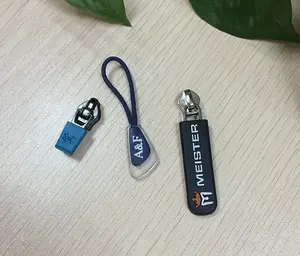
Yes, most suppliers support logo integration via embossing, printing, or label attachment. Custom molds typically incur setup fees ($50–$200) and require 7–14 days for production. Digital proofs are usually provided before manufacturing begins.
What materials are commonly used in zip strings?
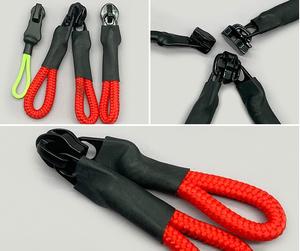
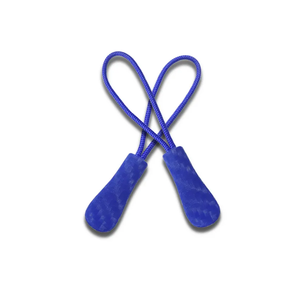
Primary materials include nylon, polyester, PVC, TPU, and silicone for pull tabs; cords are often made from braided cotton, waxed polyester, or synthetic webbing. Material selection impacts durability, weather resistance, and compliance with environmental regulations.
How long does production and shipping take?
Production lead time averages 15–25 days post-sample approval. Air freight adds 5–10 days for international delivery, while sea shipping requires 25–40 days depending on destination. Expedited options may reduce timelines by 30–50% at higher cost.





