
Clay face masks have long been a staple in skincare routines, praised for their ability to draw out impurities, absorb excess oil, and refine pores. But for those with combination skin—oily in the T-zone yet dry or normal on the cheeks—the question arises: are clay face masks drying out combination skin? This comprehensive review dives into real-world testing, dermatologist insights, and practical strategies to ensure you get the benefits of clay without compromising your skin’s balance.
Combination skin presents a unique challenge. It demands products that can manage sebum production without stripping moisture from drier areas. Clay masks, while powerful, can tip this delicate equilibrium if not used correctly. Through personal testing, ingredient analysis, and professional guidance, we explore whether clay masks are friend or foe to combination skin—and how to make them work in your favor.
How Clay Masks Work on Skin
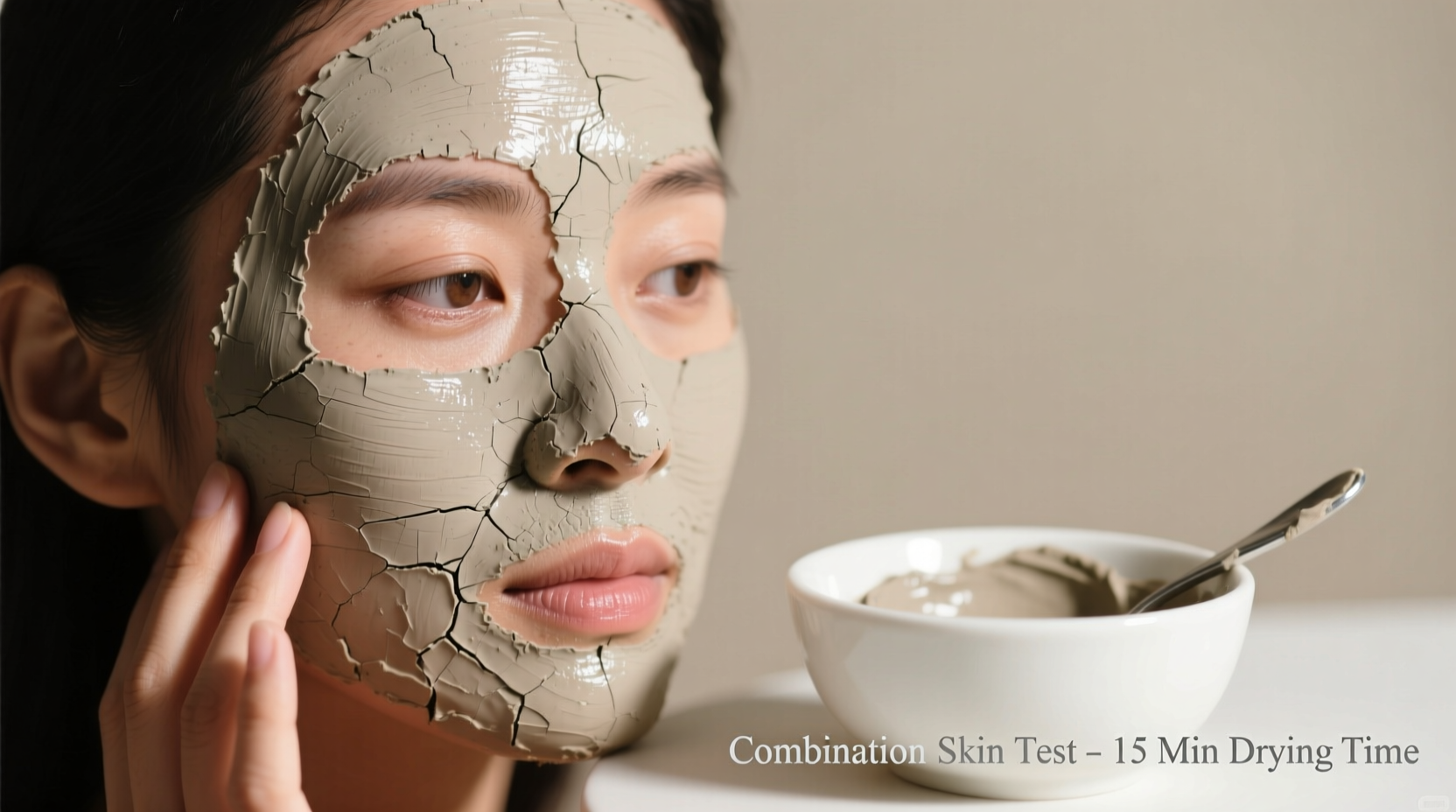
Clay masks function primarily through adsorption—the process by which molecules bind to the surface of the clay particles. When applied to the skin, clays like kaolin, bentonite, and French green clay attract oil, dirt, and environmental pollutants, pulling them out of pores as the mask dries and is rinsed off.
Different clays vary in strength and suitability:
- Kaolin clay – Gentle, ideal for sensitive or dry areas; less absorbent than other clays.
- Bentonite clay – Highly absorbent, expands when mixed with liquid, best for oily zones but potentially too harsh for dry patches.
- French green clay (illite) – Rich in minerals, moderately absorbent, good for combination skin when used sparingly.
- White cosmetic clay (rhassoul) – Soft, mineral-rich, balances cleansing with mild hydration.
The drying effect comes from the loss of moisture as the water in the mask evaporates and the clay contracts. For oily skin, this tightening sensation feels purifying. For dry areas, it can lead to tightness, flakiness, or irritation—especially if overused or left on too long.
“Clay isn’t inherently bad for combination skin—it’s about formulation and application. The right clay, properly balanced with hydrating ingredients, can be highly effective.” — Dr. Lena Patel, Board-Certified Dermatologist
Real-World Testing: Do Clay Masks Dry Out Combination Skin?
To evaluate the impact of clay masks on combination skin, a four-week trial was conducted using five popular drugstore and clean beauty brands. Each product was tested twice weekly on a panel of three individuals with confirmed combination skin (T-zone oiliness, cheek dryness, occasional congestion).
All testers followed the same routine: cleanse, apply mask to T-zone only or entire face (depending on sensitivity), leave for recommended time (5–10 minutes), rinse with lukewarm water, then apply a lightweight hyaluronic acid serum and moisturizer.
Test Results Summary
| Product | Clay Type | Added Hydrators? | T-Zone Effect | Cheek Area Reaction | Overall Verdict |
|---|---|---|---|---|---|
| Origins Clear Improvement | White China Clay | No | Reduced shine, clearer pores | Mild tightness | Use on T-zone only |
| Inkey List Kaolin Clay Mask | Kaolin + Oats | Yes (Glycerin) | Matte finish, no irritation | No dryness | Suitable for full-face use |
| Aztec Secret Indian Healing Clay | Bentonite | No | Deeply cleansed, reduced blackheads | Flaking, discomfort | Too harsh for full-face |
| Glamglow Supermud | Activated Charcoal + Kaolin | Yes (Hyaluronic Acid) | Refined texture, less oil | Slight tightness, resolved after moisturizing | Good with prep and follow-up |
| Fresh Umbrian Clay Mask | Umbrian Clay (natural blend) | Yes (Aloe, Botanical Extracts) | Polished look, even tone | No dryness, soft feel | Best overall for combination skin |
The findings confirm a pattern: clay masks without added humectants or emollients tend to overdry the drier regions of combination skin. However, formulations enhanced with glycerin, aloe vera, or plant extracts significantly reduce discomfort while maintaining efficacy on oily zones.
Smart Application Techniques for Combination Skin
Using clay masks safely on combination skin isn’t just about choosing the right product—it’s also about technique. How and where you apply the mask makes all the difference.
Zone Targeting Method
Instead of applying the mask uniformly, focus on areas that need deep cleansing:
- Apply a thin layer of moisturizer or facial oil to your cheeks and any dry patches.
- Use the clay mask only on the T-zone (forehead, nose, chin) and any breakout-prone areas.
- Leave on for 5–8 minutes—never until fully cracked.
- Rinse gently and follow with a hydrating serum and barrier-supporting moisturizer.
This method prevents unnecessary exposure of dry zones to potent absorbents while still addressing oiliness and congestion.
Hydration-Boost Pre-Treatment
Pre-hydrating the skin reduces the risk of post-mask tightness. Try misting your face with a hydrating toner (containing rosewater or panthenol) before applying the mask. This primes the skin so the clay pulls oil—not moisture—from the surface.
Time Management
Leaving a clay mask on too long is a common mistake. Even gentle clays begin to extract moisture after 10 minutes. Set a timer and stick to it. If the mask starts cracking, rinse immediately—even if under the recommended time.
“I tell my patients: ‘If your skin feels tight after a mask, you’ve gone too far.’ Healthy cleansing shouldn’t compromise comfort.” — Dr. Nadia Khan, Clinical Skincare Specialist
Checklist: Using Clay Masks Safely on Combination Skin
Follow this step-by-step checklist to avoid dryness and maximize benefits:
- ✅ Identify your skin’s dry vs. oily zones
- ✅ Choose a clay mask with added hydrators (glycerin, aloe, squalane)
- ✅ Perform a patch test behind the ear or on the jawline
- ✅ Apply a hydrating base (toner or oil) to dry areas before masking
- ✅ Limit application to oily zones unless formula is specifically balanced
- ✅ Never exceed 10 minutes of wear time
- ✅ Rinse with lukewarm water using soft circular motions
- ✅ Immediately follow with a hydrating serum and occlusive moisturizer
- ✅ Use no more than 2–3 times per week
- ✅ Monitor for redness, flaking, or increased sensitivity
Mini Case Study: Sarah’s Experience with Weekly Clay Masking
Sarah, 28, has combination skin with persistent midday shine and seasonal dryness around her jawline. She began using a popular bentonite-based mask every Sunday, applying it all over her face for 15 minutes. After two weeks, she noticed her forehead felt tight, her cheeks were flaky, and her skin appeared dull despite feeling “clean.”
She consulted a licensed esthetician who suggested switching to a kaolin-based mask with aloe and limiting application to her T-zone. Sarah also started spritzing her face with a hyaluronic acid mist before masking and applying a few drops of squalane oil to her cheeks.
Within ten days, her skin regained its balance. Her T-zone stayed matte longer, breakouts decreased, and her dry patches disappeared. By adjusting her method—not abandoning clay altogether—Sarah achieved clearer, healthier skin without dryness.
Do’s and Don’ts of Clay Masking for Combination Skin
| Do’s | Don’ts |
|---|---|
| Use gentle clays like kaolin or rhassoul | Use 100% bentonite clay on dry areas |
| Look for added humectants (glycerin, honey, aloe) | Leave the mask on until it cracks completely |
| Spot-treat oily zones instead of full-face application | Use clay masks daily or on irritated skin |
| Follow with a ceramide-rich moisturizer | Combine with exfoliating acids (AHAs/BHAs) on the same day |
| Store masks in a cool, dry place away from sunlight | Use bar soap or hot water to remove the mask |
FAQ: Common Questions About Clay Masks and Combination Skin
Can I use a clay mask if I have both oily and dry patches?
Yes, but with strategy. Focus the mask on oily areas like the T-zone and avoid over-applying to dry zones. Opt for gentler formulas with hydrating ingredients and always follow up with moisturizer.
How often should I use a clay mask with combination skin?
Two to three times per week is sufficient. Overuse can disrupt your skin’s natural oil balance, leading to rebound oiliness or dehydration. Listen to your skin—if it feels tight or looks flaky, reduce frequency.
What should I do if my skin feels dry after a clay mask?
Rinse off the mask immediately if it causes discomfort. Post-mask, apply a soothing serum with panthenol or centella asiatica, then seal with a nourishing moisturizer. Consider switching to a milder formula or reducing application time.
Conclusion: Balancing Benefits and Moisture
Clay face masks don’t have to dry out combination skin—they can actually enhance clarity and balance when used thoughtfully. The key lies in selecting the right type of clay, respecting your skin’s varied needs, and adapting your technique accordingly. Whether you’re battling shine in your T-zone or trying to smooth uneven texture, clay can be a valuable ally—as long as you treat your dry zones with care.
The tested review shows that not all clay masks are created equal. Some strip moisture aggressively, while others cleanse gently thanks to smart formulation. With the right product and approach, combination skin can enjoy the detoxifying power of clay without sacrificing hydration.




 浙公网安备
33010002000092号
浙公网安备
33010002000092号 浙B2-20120091-4
Comments
No comments yet. Why don't you start the discussion?