
Many people reach for the same bar of soap they use on their body when washing their face—convenient, familiar, and readily available. But is it really safe or effective? Despite widespread use, applying regular soap to facial skin can lead to unintended consequences. This article dives deep into the science behind facial skin composition, examines common myths about soap usage, and explains the real risks and reactions associated with using standard soaps on the face.
The Anatomy of Facial Skin: Why It’s Different
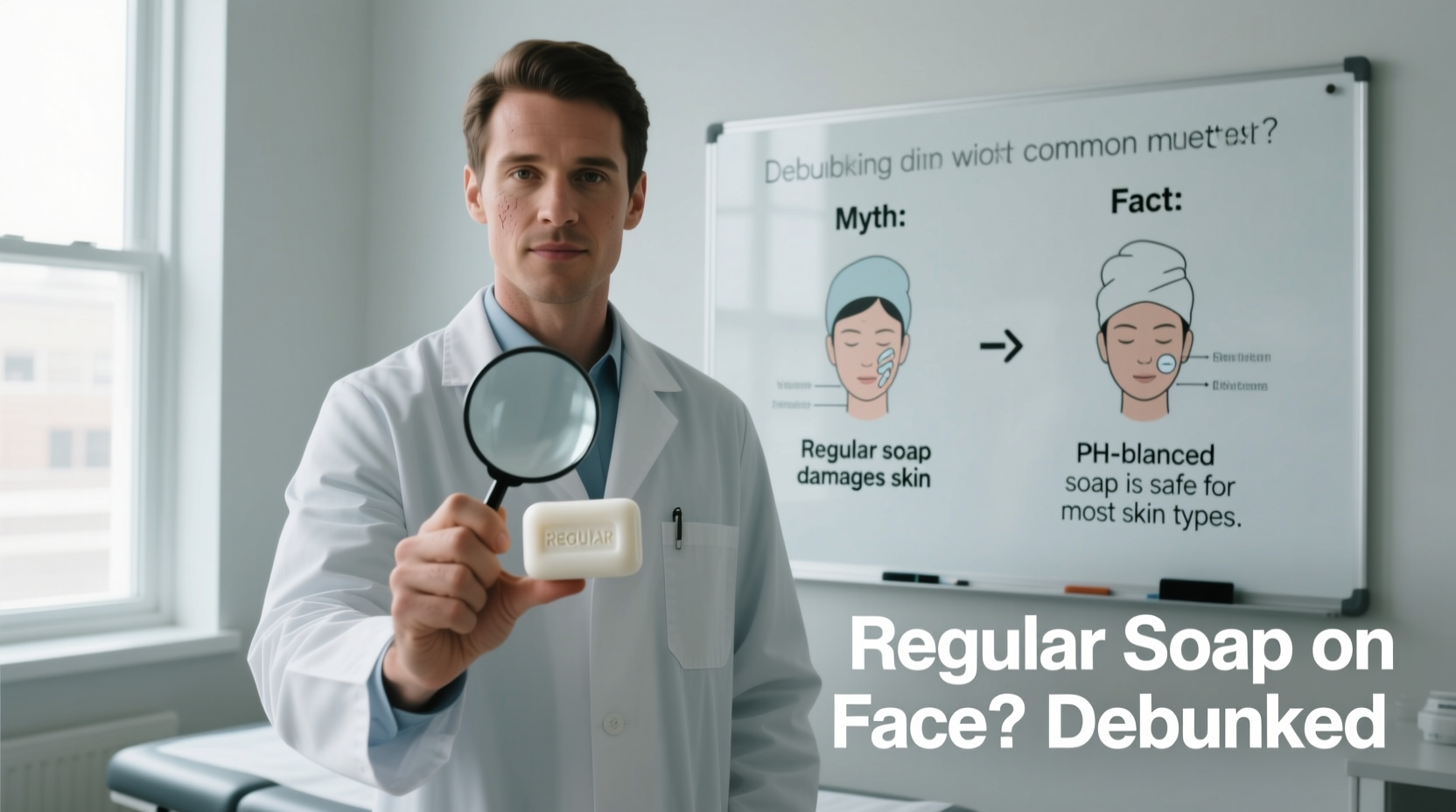
Facial skin is structurally and functionally distinct from the skin on the rest of the body. It is thinner, more sensitive, and contains a higher concentration of sebaceous (oil) glands, particularly in the T-zone (forehead, nose, and chin). These characteristics make it more reactive to external products, including cleansing agents.
The skin's surface is protected by the acid mantle—a slightly acidic film (pH between 4.5 and 5.5) composed of sebum, sweat, and natural microbiota. This barrier defends against environmental pollutants, bacteria, and moisture loss. Regular soaps, especially traditional bar soaps, often have a high pH (9–10), which disrupts this delicate balance, stripping away essential oils and compromising the skin’s protective layer.
Over time, repeated use of alkaline soaps can weaken the skin barrier, leading to dryness, irritation, increased sensitivity, and even acne flare-ups. The face simply isn’t designed to withstand the same chemical environment as arms or legs.
Debunking Common Myths About Using Regular Soap on the Face
Several misconceptions persist about facial cleansing, many rooted in outdated hygiene practices or marketing claims. Let’s examine and correct them.
Myth 1: “Soap Cleans Better Than Facial Washes”
This belief assumes that stronger cleaning power equals better results. In reality, over-cleansing can do more harm than good. While regular soap may remove dirt and oil aggressively, it also strips beneficial lipids and disrupts microbial balance. Gentle facial cleansers are specifically engineered to remove impurities without compromising the skin barrier.
Myth 2: “If It’s Natural, It Must Be Safe”
Natural ingredients like coconut oil or shea butter in artisanal soaps don’t automatically make them suitable for facial use. Many handmade soaps still have high pH levels due to the saponification process. “Natural” doesn’t mean non-irritating, especially for sensitive facial skin.
Myth 3: “I’ve Used Bar Soap for Years and My Skin Is Fine”
Some individuals have resilient skin types that tolerate harsh products temporarily. However, long-term use can cause subclinical damage—micro-tears, chronic dehydration, or accelerated aging—that may not become visible until later. Just because symptoms aren't immediate doesn't mean there’s no impact.
Myth 4: “Facial Cleansers Are Just Overpriced Soap”
This overlooks the advanced formulation of dermatological skincare products. Facial cleansers often include humectants (like glycerin), ceramides, and anti-inflammatory agents that support skin health. They’re tested for compatibility with facial skin and undergo stability and sensitivity assessments—unlike most household soaps.
“Using body soap on the face is like using a scrub brush on silk. It might seem clean afterward, but the fabric gets damaged over time.” — Dr. Lena Patel, Board-Certified Dermatologist
Skin Reactions: What Happens When You Use Regular Soap?
Reactions vary depending on skin type, frequency of use, and soap composition. Here’s what commonly occurs:
- Dryness and Tightness: Immediate sensation after washing due to lipid removal.
- Redness and Irritation: Especially in those with rosacea, eczema, or sensitive skin.
- Increased Oil Production: As a compensatory mechanism, leading to shiny skin or breakouts.
- Flaking and Peeling: Sign of compromised barrier function and transepidermal water loss.
- Acne Flare-Ups: Clogged pores from disrupted sebum flow and bacterial imbalance.
A case study illustrates this clearly: Sarah, a 28-year-old office worker with combination skin, used a popular antibacterial bar soap daily for six months to combat occasional breakouts. Instead of improvement, she developed persistent dry patches on her cheeks and increased congestion around her jawline. Upon switching to a gentle foaming cleanser with hyaluronic acid, her skin normalized within four weeks—highlighting how inappropriate cleansing can exacerbate rather than solve issues.
Choosing the Right Cleanser: A Practical Guide
Selecting a facial cleanser should be based on skin type and goals. Below is a comparison table outlining key differences between regular soap and facial cleansers.
| Feature | Regular Bar Soap | Facial Cleanser |
|---|---|---|
| pH Level | 9–10 (Highly Alkaline) | 4.5–6 (Slightly Acidic) |
| Cleansing Agents | Sodium tallowate, sodium cocoate | Gentle surfactants (e.g., decyl glucoside) |
| Moisturizing Properties | Low; often drying | High; includes humectants and emollients |
| Suitable for Sensitive Skin? | Rarely | Often yes, if fragrance-free and hypoallergenic |
| Long-Term Skin Impact | Potential barrier damage | Barrier support and hydration |
Step-by-Step: Transitioning from Regular Soap to Facial Cleanser
- Evaluate Your Current Routine: Note any signs of dryness, redness, or irritation after washing.
- Identify Your Skin Type: Oily, dry, combination, sensitive, or acne-prone.
- Research Ingredients: Look for sulfate-free, fragrance-free options with ceramides, niacinamide, or hyaluronic acid.
- Start Slowly: Replace your morning cleanse first, then transition evening use.
- Monitor Changes: Track improvements in texture, clarity, and comfort over 2–4 weeks.
- Adjust as Needed: If breakouts occur, consider a salicylic acid-based cleanser; for dryness, switch to cream formulas.
Expert Recommendations and Long-Term Skin Health
Dermatologists consistently advise against using regular soap on the face, especially for individuals with pre-existing conditions like acne, rosacea, or eczema. According to the American Academy of Dermatology, maintaining the skin barrier is fundamental to preventing premature aging and inflammatory conditions.
Dr. Rajiv Mehta, a clinical dermatologist with over 15 years of experience, emphasizes: “The face is exposed to UV radiation, pollution, and constant expression movements. It deserves specialized care. Using body soap is one of the most common mistakes I see in my practice.”
For those seeking affordable alternatives, drugstore brands now offer effective, scientifically backed facial cleansers at accessible price points. Brands like CeraVe, Vanicream, and La Roche-Posay provide formulations that support barrier repair while remaining budget-friendly.
Frequently Asked Questions
Can men use regular soap on their face since they have thicker skin?
No. While male skin tends to be slightly thicker and oilier due to testosterone, it still maintains the same pH balance and barrier function. Shaving already stresses the skin; adding alkaline soap increases the risk of razor burn, dryness, and ingrown hairs. Men benefit just as much from gentle, facial-specific cleansers.
What if I only use soap once a day?
Even infrequent use can be problematic if the soap is highly alkaline. Occasional exposure may not cause immediate issues, but cumulative damage can still occur. If you must use regular soap, rinse thoroughly and follow immediately with a hydrating toner and moisturizer to mitigate pH disruption.
Are syndet bars a good alternative?
Yes. Syndet (synthetic detergent) bars, such as Dove Beauty Bar or CeraVe Hydrating Cleanser Bar, are formulated with a neutral pH and contain moisturizing ingredients. Unlike traditional soaps, they don’t rely on alkali-based saponification and are considered safe for facial use by many dermatologists.
Action Plan: Building a Safer Facial Cleansing Routine
- Phase Out Regular Soap: Designate one facial cleanser and stop using body wash or bar soap on your face.
- Wash Twice Daily: Morning and night, using lukewarm water—never hot.
- Pat Dry Gently: Rubbing with a towel aggravates skin. Use a soft cotton or bamboo cloth.
- Follow with Toner (Optional): Helps restore pH quickly, especially after any product disruption.
- Moisturize Immediately: Locks in hydration and reinforces the lipid barrier.
- Reassess Monthly: Adjust based on seasonal changes or skin behavior.
Conclusion: Make the Switch for Healthier Skin
The convenience of using regular soap on your face comes at a cost—one measured in dryness, sensitivity, and long-term skin damage. Understanding the biological needs of facial skin empowers better choices. By replacing harsh soaps with pH-appropriate, dermatologist-recommended cleansers, you invest in a clearer, more resilient complexion.
Skin health isn’t about drastic measures; it’s built through consistent, informed habits. Start today by examining what’s in your bathroom and making one simple change. Your face will thank you—not just tomorrow, but years down the line.




 浙公网安备
33010002000092号
浙公网安备
33010002000092号 浙B2-20120091-4
Comments
No comments yet. Why don't you start the discussion?