
When it comes to staying warm through the night, not all bedding is created equal. The choice between a cotton quilt set and a down comforter often hinges on more than just price or aesthetics—it’s about thermal performance, body regulation, and long-term comfort. While both options are popular in bedrooms across the world, their ability to retain heat varies significantly due to material composition, construction, and environmental factors. Understanding these differences can help you make an informed decision based on your climate, sleep habits, and personal preferences.
How Warmth Works in Bedding
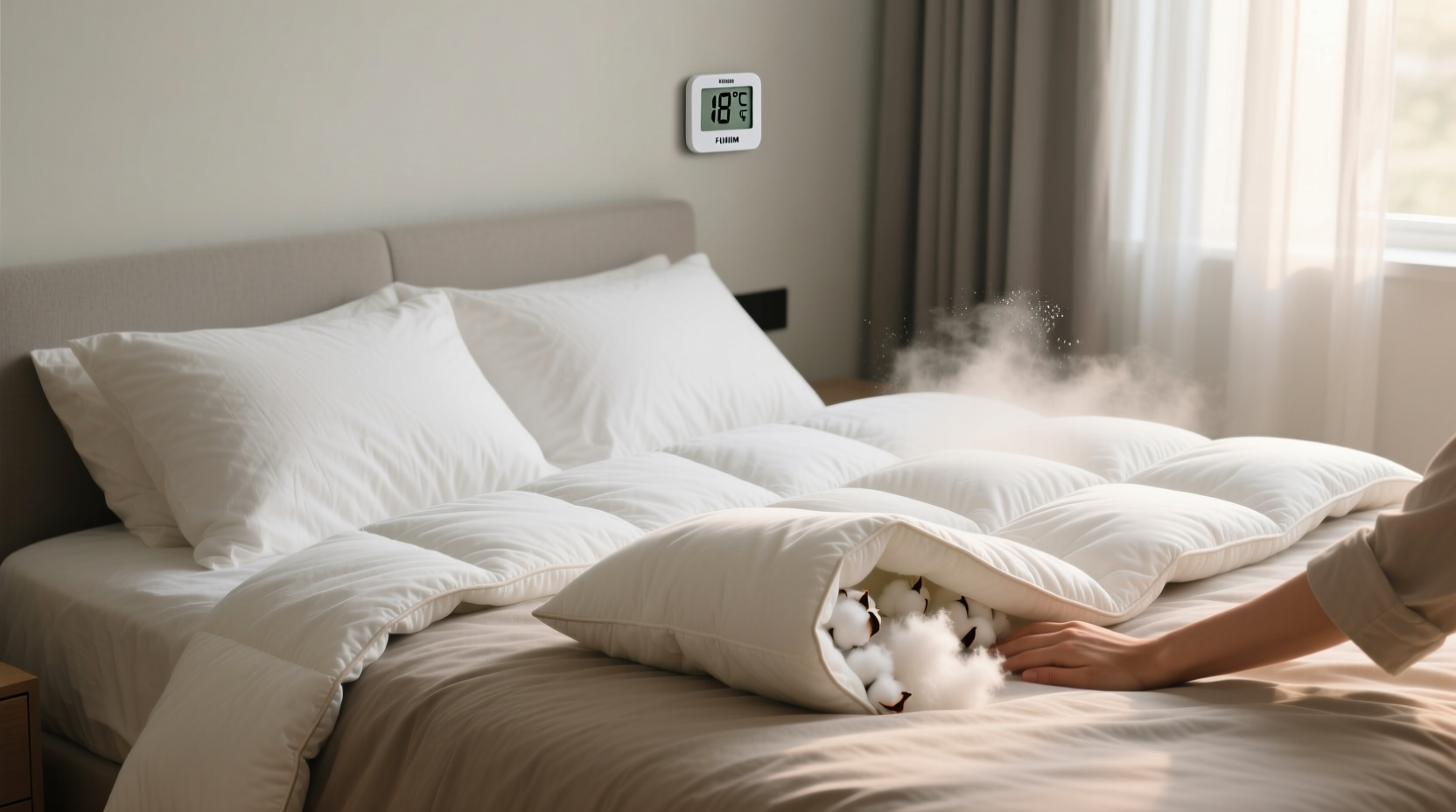
Thermal insulation in bedding doesn’t come from thickness alone—it relies on a material’s ability to trap air. The more still air a fabric or filling can hold, the better it insulates the body. This principle is why lightweight materials like down can outperform heavier cotton weaves when it comes to warmth retention.
Natural fibers behave differently under varying conditions. Cotton absorbs moisture, which can reduce its insulating power when damp—such as from nighttime perspiration. Down, particularly goose or duck down clusters, creates tiny pockets of air that resist heat transfer, making it highly efficient at maintaining a stable microclimate around the sleeper.
“Down’s three-dimensional structure traps warm air far more effectively than flat textile layers. That’s why it’s used in extreme cold weather gear.” — Dr. Lena Park, Textile Scientist, University of Colorado
Material Breakdown: Cotton Quilt Set vs Down Comforter
A cotton quilt set typically consists of a top layer (quilt), often filled with a thin layer of cotton batting or synthetic fibers, stitched into a decorative pattern. It may be paired with a separate duvet cover and sheet set. In contrast, a down comforter uses high-loft down clusters encased in tightly woven fabric, designed specifically for maximum thermal efficiency.
The key difference lies in fill power and breathability:
- Cotton quilts offer moderate warmth and excellent breathability but compress easily, reducing trapped air volume.
- Down comforters have high fill power (measured in cubic inches per ounce), meaning they expand to create large volumes of insulating space with minimal weight.
Direct Comparison: Performance Metrics
| Feature | Cotton Quilt Set | Down Comforter |
|---|---|---|
| Warmth Level | Moderate (suitable for spring/fall) | High to Very High (ideal for winter) |
| Breathability | Excellent | Good (depends on shell fabric) |
| Moisture Wicking | High (absorbs sweat) | Moderate (can feel clammy if damp) |
| Weight | Light to Medium | Very Light (for warmth provided) |
| Durability | 5–7 years with care | 10+ years if maintained |
| Allergy Considerations | Low allergen risk | Potential allergens unless hypoallergenic treated |
| Wash Frequency | Every 1–2 months | Once or twice per year |
This table illustrates that while cotton quilt sets excel in airflow and ease of cleaning, they fall short in raw thermal performance compared to down comforters. However, “warmer” isn't always better—overheating during sleep disrupts rest cycles and reduces REM quality.
Real-World Sleep Scenarios
Consider Sarah, a resident of Minneapolis, where winter temperatures regularly dip below freezing. She initially used a heavy cotton quilt set but found herself adding extra blankets by mid-December. After switching to a 650-fill-power down comforter, she maintained consistent warmth without layering, reporting deeper sleep and fewer nighttime awakenings due to cold.
In contrast, her cousin Mark in Atlanta tried the same down comforter but felt too hot even with bedroom windows open. He reverted to a lightweight cotton quilt and added a flannel sheet in colder weeks—a more adaptable solution for mild climates.
This highlights a crucial point: optimal warmth depends on ambient temperature, room humidity, and individual metabolism. A down comforter might be overkill in temperate zones, while a cotton quilt may struggle in sub-zero environments.
Choosing Based on Climate and Season
Seasonal adaptability plays a major role in bedding selection. Here's a step-by-step guide to matching your bedding to your environment:
- Assess your average bedroom temperature: Below 60°F (15°C) favors down; 65–72°F (18–22°C) suits cotton quilts.
- Evaluate humidity levels: High humidity reduces cotton’s drying speed but can cause down to clump over time.
- Monitor your body temperature at night: Do you wake up sweaty or shivering? Adjust accordingly.
- Layer strategically: Use a cotton quilt under a down comforter in deep winter for customizable warmth.
- Switch seasonally: Rotate bedding like wardrobes—lighter in summer, heavier in winter.
Care and Long-Term Warmth Retention
No matter how warm a comforter starts, poor maintenance degrades its performance. Down requires periodic fluffing and professional cleaning every 1–2 years to preserve loft. Compressed storage kills fill power—always store down in a breathable cotton bag, never plastic.
Cotton quilts fare better with frequent washing but may lose shape or develop thin spots over time, especially if tumble-dried aggressively. To extend life:
- Air out quilts monthly by hanging them outside (avoid direct sunlight).
- Use duvet covers to minimize direct contact with skin oils.
- Rotate ends monthly to prevent uneven wear.
“Properly cared-for down maintains 90% of its original loft after a decade. Most failures stem from improper drying or compression.” — James Wu, Bedding Engineer, SleepWell Labs
FAQ
Can a cotton quilt be as warm as a down comforter?
Only if it’s heavily layered or combined with additional blankets. A single cotton quilt lacks the air-trapping structure of down and will generally provide less warmth per inch of thickness.
Are down comforters suitable for hot sleepers?
Not usually. Even lightweight down retains significant heat. Hot sleepers should opt for cotton, bamboo, or down-alternative fills made from breathable synthetics.
Do I need both a quilt and a comforter?
Not simultaneously. Layering can work in very cold climates, but using both risks overheating. Choose one primary insulator and adjust with sheets or blankets as needed.
Final Recommendations
If your priority is maximum warmth during cold months, a down comforter is objectively superior. Its high fill power, low weight, and exceptional insulation make it ideal for frigid nights. However, if you value breathability, easy care, and seasonal flexibility, a cotton quilt set offers practical advantages—especially in milder or humid climates.
For many, the best approach is hybrid: a mid-weight down comforter for winter and a cotton quilt for shoulder seasons. This strategy balances comfort, health, and longevity while adapting to changing conditions.




 浙公网安备
33010002000092号
浙公网安备
33010002000092号 浙B2-20120091-4
Comments
No comments yet. Why don't you start the discussion?