
Dog leg shaking is a common concern among pet owners. While occasional trembling may be harmless, persistent or intense shaking can signal underlying medical issues. Understanding the potential causes, recognizing when intervention is necessary, and knowing how to respond can make a significant difference in your dog’s comfort and long-term health. This guide explores the most frequent reasons behind leg tremors in dogs, outlines practical steps you can take, and clarifies when veterinary care becomes essential.
Common Causes of Dog Leg Shaking
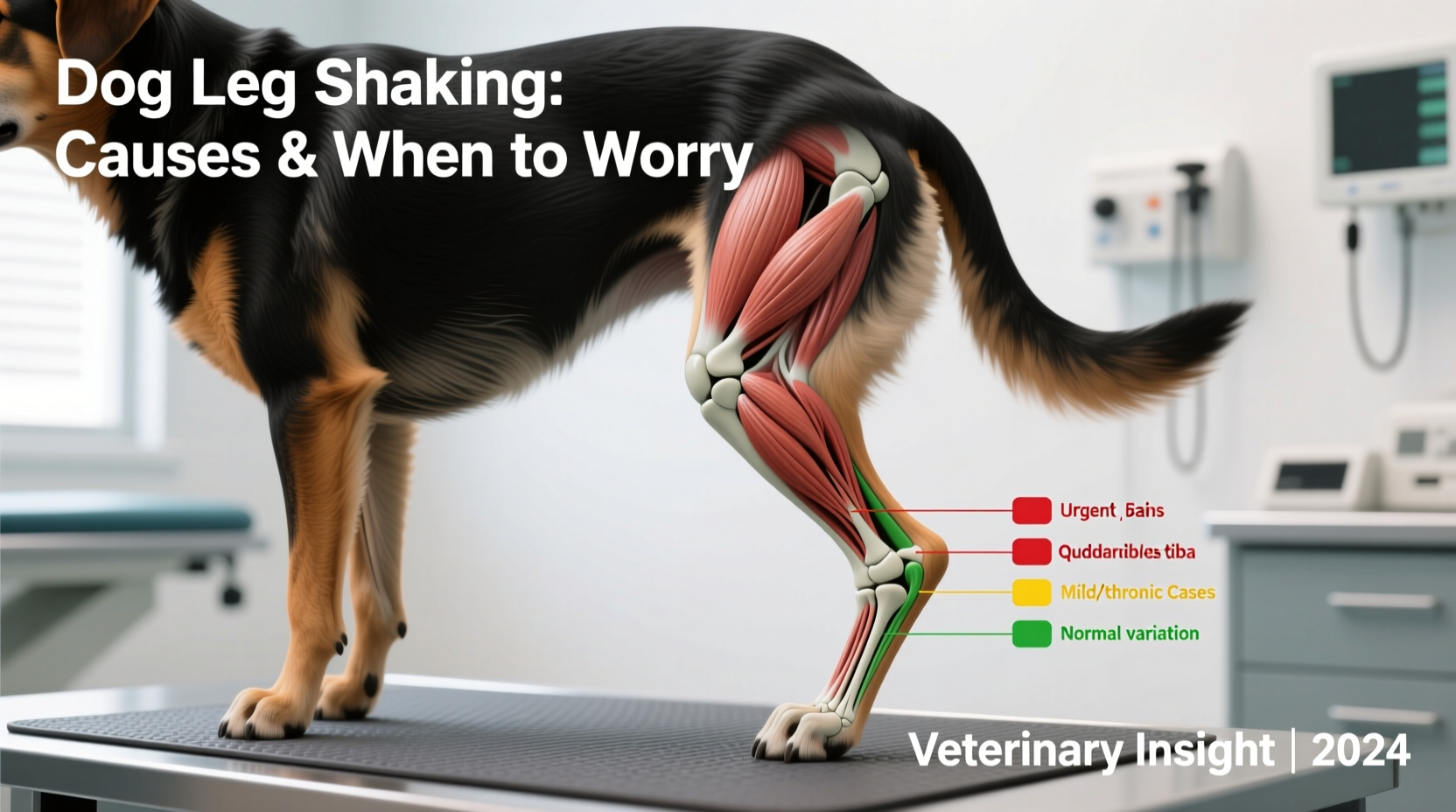
Leg shaking in dogs can stem from a wide range of factors, from benign reactions to serious neurological or musculoskeletal conditions. Identifying the root cause often depends on context—such as frequency, duration, accompanying symptoms, and your dog’s overall behavior.
- Muscle fatigue or exertion: After intense play or exercise, dogs may experience temporary muscle tremors due to lactic acid buildup.
- Cold or discomfort: Just like humans, dogs shiver when cold. Thin-coated breeds are especially prone to this.
- Anxiety or fear: Thunderstorms, loud noises, or unfamiliar environments can trigger stress-related shaking.
- Pain or injury: Arthritis, sprains, ligament tears (like a torn ACL), or hip dysplasia can lead to involuntary leg tremors.
- Neurological disorders: Conditions such as degenerative myelopathy, seizures, or nerve damage may manifest as limb shaking.
- Toxic exposure: Ingestion of toxins like chocolate, pesticides, or certain medications can cause muscle tremors.
- Hypoglycemia: Especially in small or toy breeds, low blood sugar can result in weakness and shaking.
- Age-related changes: Senior dogs often develop tremors due to weakening muscles or cognitive decline.
What You Can Do at Home
Not every instance of leg shaking requires an emergency vet visit. For mild or situational cases, supportive care at home may resolve the issue.
- Assess the environment: Ensure your dog is warm, calm, and not exposed to stressors like loud noises or extreme temperatures.
- Check for visible injuries: Gently examine the legs for swelling, cuts, limping, or tenderness.
- Limit activity: Restrict running or jumping to prevent further strain if an injury is suspected.
- Offer comfort: Provide a soft bed, gentle petting, or a quiet space to help reduce anxiety-induced shaking.
- Monitor food and water intake: If hypoglycemia is a concern, offer a small amount of food—especially in small breeds that haven’t eaten recently.
Keep a journal noting when the shaking occurs, how long it lasts, and any triggers. This information is invaluable for your veterinarian.
When to Worry: Red Flags That Demand Immediate Attention
While some tremors are transient and harmless, others are signs of urgent medical problems. Recognizing these warning signals helps ensure timely treatment.
| Symptom | Possible Cause | Action Required |
|---|---|---|
| Shaking with inability to stand | Spinal injury, stroke, severe pain | Emergency vet visit |
| Tremors after toxin exposure | Poisoning (e.g., rodenticide, xylitol) | Immediate veterinary care |
| Seizure-like episodes | Epilepsy, brain tumor, metabolic disorder | Call vet immediately |
| Limping + shaking in one leg | Ligament tear, fracture, dislocation | Veterinary evaluation within 24 hours |
| Progressive weakness in hind legs | Degenerative myelopathy, spinal arthritis | Schedule non-emergency exam |
“Persistent or asymmetric leg tremors should never be ignored. Early diagnosis of conditions like degenerative joint disease or intervertebral disc disease can dramatically improve outcomes.” — Dr. Rachel Nguyen, DVM, Veterinary Neurologist
Mini Case Study: Max, the 9-Year-Old Labrador
Max, a senior Labrador, began showing intermittent shaking in his right hind leg after walks. His owner initially assumed it was age-related stiffness. Over two weeks, the tremor worsened, and Max started avoiding stairs. A vet examination revealed a partial tear of the cranial cruciate ligament (CCL). With early intervention—including rest, anti-inflammatory medication, and physical therapy—Max regained stability without surgery. Delaying care could have led to chronic arthritis or complete rupture.
This case highlights the importance of timely assessment, even when symptoms seem minor at first.
Step-by-Step Guide: Responding to Leg Shaking in Dogs
If your dog starts shaking their leg, follow this structured approach to determine the next steps:
- Stay calm: Your reaction influences your dog’s stress level.
- Observe carefully: Note which leg is affected, duration of shaking, and presence of other symptoms (vomiting, lethargy, limping).
- Check for trauma: Look for wounds, swelling, or reluctance to bear weight.
- Remove stressors: Move your dog to a quiet, warm area away from noise or excitement.
- Withhold food only if seizures occur: In seizure cases, do not put anything in the dog’s mouth.
- Contact your veterinarian: Describe symptoms accurately and follow their guidance.
- Prepare for the visit: Bring notes, recent diet changes, and a list of medications.
Frequently Asked Questions
Is leg shaking always a sign of pain?
No, not always. While pain is a common cause, shaking can also result from excitement, cold, or anxiety. However, if the tremor persists or is accompanied by behavioral changes, pain should be considered likely until ruled out.
Can dehydration cause my dog’s legs to shake?
Yes. Severe dehydration affects electrolyte balance, which can lead to muscle twitching or tremors. Other signs include dry gums, sunken eyes, and lethargy. Rehydration is critical—seek veterinary help if symptoms are moderate to severe.
Are certain breeds more prone to leg shaking?
Yes. Small breeds like Chihuahuas and Toy Poodles are more susceptible to hypoglycemia and patellar luxation, both of which can cause shaking. Larger breeds like German Shepherds and Labradors are at higher risk for hip dysplasia and degenerative myelopathy.
Conclusion: Proactive Care for a Healthier, More Comfortable Dog
Dog leg shaking isn't something to dismiss lightly, but it also doesn’t always mean disaster. By learning to differentiate between benign tremors and serious symptoms, you empower yourself to act wisely and compassionately. Most importantly, trust your instincts—if something feels off, it’s worth a conversation with your veterinarian. Early detection and proper management can preserve your dog’s mobility, comfort, and quality of life for years to come.




 浙公网安备
33010002000092号
浙公网安备
33010002000092号 浙B2-20120091-4
Comments
No comments yet. Why don't you start the discussion?