
Puffs—whether made of velvet, satin, tulle, or synthetic blends—are delicate accessories that add flair to hairstyles, costumes, and fashion statements. Over time, however, they attract lint, dust, and especially pet or human hair, which can cling stubbornly to their surfaces. Removing this hair improperly can lead to fraying, matting, or distortion of the puff’s shape. The key is using gentle, targeted methods that clean effectively without compromising the material’s integrity. This guide outlines proven, non-damaging techniques to restore your puff’s pristine appearance while extending its lifespan.
Understanding Puff Materials and Why Hair Sticks
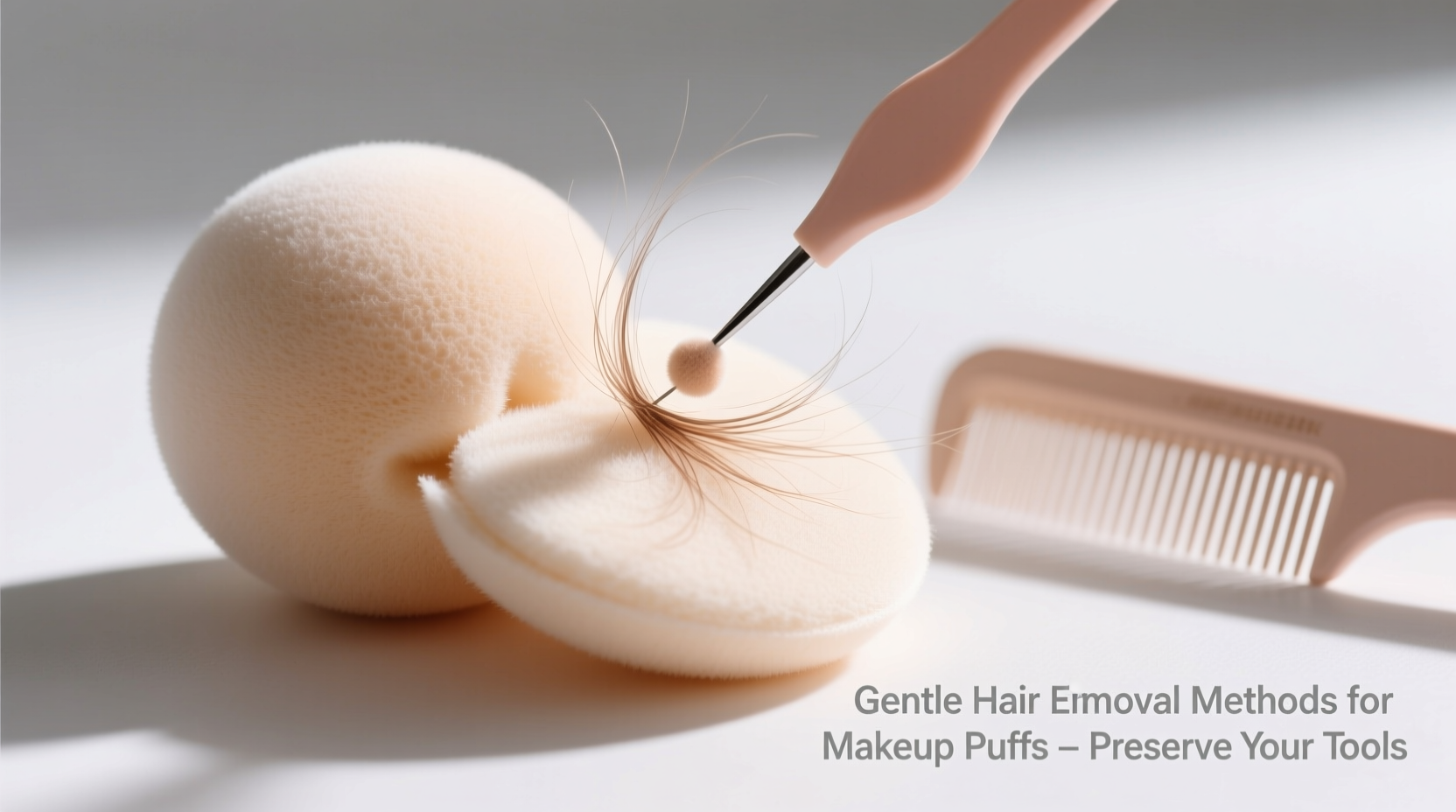
Puffs are typically constructed from soft, textured fabrics designed to catch light and create volume. Common materials include:
- Velvet: Plush and absorbent, prone to trapping fibers due to its nap.
- Satin: Smooth but static-prone, attracting lightweight debris like hair.
- Tulle: Netted structure easily snags fine strands.
- Foam-backed fabric: Often used for structured puffs; sensitive to moisture and abrasion.
The issue isn’t just aesthetics—accumulated hair increases friction, encourages tangling, and can degrade fabric over time. Static electricity, especially in dry environments, exacerbates the problem by magnetizing loose strands to the surface. Understanding your puff’s composition is the first step toward choosing a cleaning method that works without harm.
Step-by-Step Guide: Safe Hair Removal Techniques
Removing hair from a puff requires patience and precision. Avoid aggressive brushing or pulling, which can loosen stitching or distort shape. Instead, follow this systematic approach:
- Shake gently outdoors: Hold the puff by its base and give it a few soft shakes to dislodge loose hairs and debris.
- Use a soft-bristle brush: A clean makeup brush or baby hairbrush works well. Brush in the direction of the fabric grain to avoid lifting fibers.
- Apply low-adhesion tape: Wrap packing or masking tape around your hand, sticky side out. Lightly dab or roll it over the surface to lift embedded hairs without tugging.
- Try a fabric shaver (with caution): For dense puffs with flat surfaces, use a battery-powered lint remover on the lowest setting. Keep the device moving to prevent overheating or snagging.
- Wipe with a microfiber cloth: Dampen slightly with distilled water if needed, then gently wipe to capture residual particles.
Each step should be performed slowly. Rushing increases the risk of accidental pulls or tears, particularly on glued or stitched edges.
Do’s and Don’ts: Best Practices for Puff Maintenance
| Do’s | Don’ts |
|---|---|
| Use static-reducing sprays formulated for fabrics | Soak the puff in water or submerge it |
| Store in a breathable cotton bag away from direct sunlight | Use duct tape or strong adhesives directly on the fabric |
| Brush regularly to prevent buildup | Apply heat tools like hairdryers or steamers |
| Vacuum lightly with a brush attachment on low suction | Wash in a machine or use harsh detergents |
| Rotate puffs in rotation to reduce wear | Leave near pets or high-shedding areas when not in use |
Maintenance is as important as cleaning. Regular care prevents the need for intensive interventions that could compromise structural integrity.
Expert Insight: What Professionals Recommend
“Delicate accessories like puffs require the same attention as fine garments. Mechanical removal using tape or soft brushes is far safer than chemical or wet cleaning. Prevention—like storing in anti-static containers—is half the battle.” — Lena Torres, Textile Care Specialist at Heritage Millinery Studio
Torres emphasizes that most damage occurs not during wear, but during improper cleaning. She advises against home remedies involving vinegar, alcohol, or essential oils, which may discolor or weaken fibers. Instead, she recommends investing in a small lint roller dedicated solely to delicate accessories to avoid cross-contamination from stronger adhesives used on clothing.
Real Example: Restoring a Vintage Velvet Puff
A costume designer in Portland inherited a 1970s-inspired velvet puff from a client’s vintage collection. After years in storage, it was covered in pet hair and had begun to matte. Rather than washing it—a common but risky impulse—the designer followed a conservative protocol:
- Used a soft boar-bristle brush to realign the nap.
- Applied low-tack masking tape in repeated light presses.
- Placed the puff inside a mesh laundry bag and ran it briefly through a cool, no-heat dryer cycle with a dryer sheet to neutralize static.
The result? The puff regained its original fluffiness with no visible damage. It went on to be featured in a retro-themed editorial shoot, proving that gentle methods can deliver professional results.
Essential Checklist for Hair-Free Puff Care
Follow this checklist after each use or weekly for frequently worn puffs:
- ☑ Gently shake out loose debris
- ☑ Inspect for embedded hair or lint
- ☑ Use adhesive tape to lift stubborn strands
- ☑ Brush with a soft tool in fabric direction
- ☑ Wipe with a dry microfiber cloth
- ☑ Store in a ventilated, static-free environment
- ☑ Rotate usage if you own multiple puffs
This routine takes less than five minutes but significantly extends the accessory’s life and appearance.
Frequently Asked Questions
Can I use a regular lint roller on my puff?
Yes, but only if it’s a low-tack version designed for delicate fabrics. Standard lint rollers often have strong adhesives that can pull out fibers or leave residue. Test on a small edge first.
Is it safe to wash a puff to remove hair?
Generally, no. Most puffs are not designed for immersion. Water can warp foam bases, cause fabric shrinkage, or dissolve glue in layered designs. Spot cleaning with a barely damp cloth is the safest wet method—if absolutely necessary.
How do I prevent hair from sticking in the first place?
Reduce static by treating the puff with an anti-static spray before wearing. Avoid using hair products like gels or sprays immediately before styling with the puff, as residue increases stickiness. Store it separately from wigs or furry accessories.
Conclusion: Preserve Beauty Through Gentle Care
A puff’s charm lies in its volume, texture, and visual impact—all of which depend on careful maintenance. Removing hair doesn’t require drastic measures. With the right tools and mindful technique, you can keep your puff looking fresh without risking damage. From simple tape lifts to strategic storage, every action contributes to longevity. Treat your puff not just as an accessory, but as a crafted piece worthy of preservation.




 浙公网安备
33010002000092号
浙公网安备
33010002000092号 浙B2-20120091-4
Comments
No comments yet. Why don't you start the discussion?