
When it comes to choosing the ideal indoor footwear, comfort is often the top priority. But for many, especially those who spend long hours on their feet or suffer from foot-related conditions like plantar fasciitis or flat feet, arch support plays a crucial role in maintaining foot health. The debate between fuzzy slippers and memory foam slippers isn’t just about softness—it’s about how well each type supports the natural curve of your foot. While fuzzy slippers promise warmth and coziness, memory foam models emphasize structural comfort and pressure relief. Understanding the differences in design, materials, and biomechanical function can help you make an informed decision that benefits both short-term comfort and long-term foot wellness.
The Role of Arch Support in Foot Health
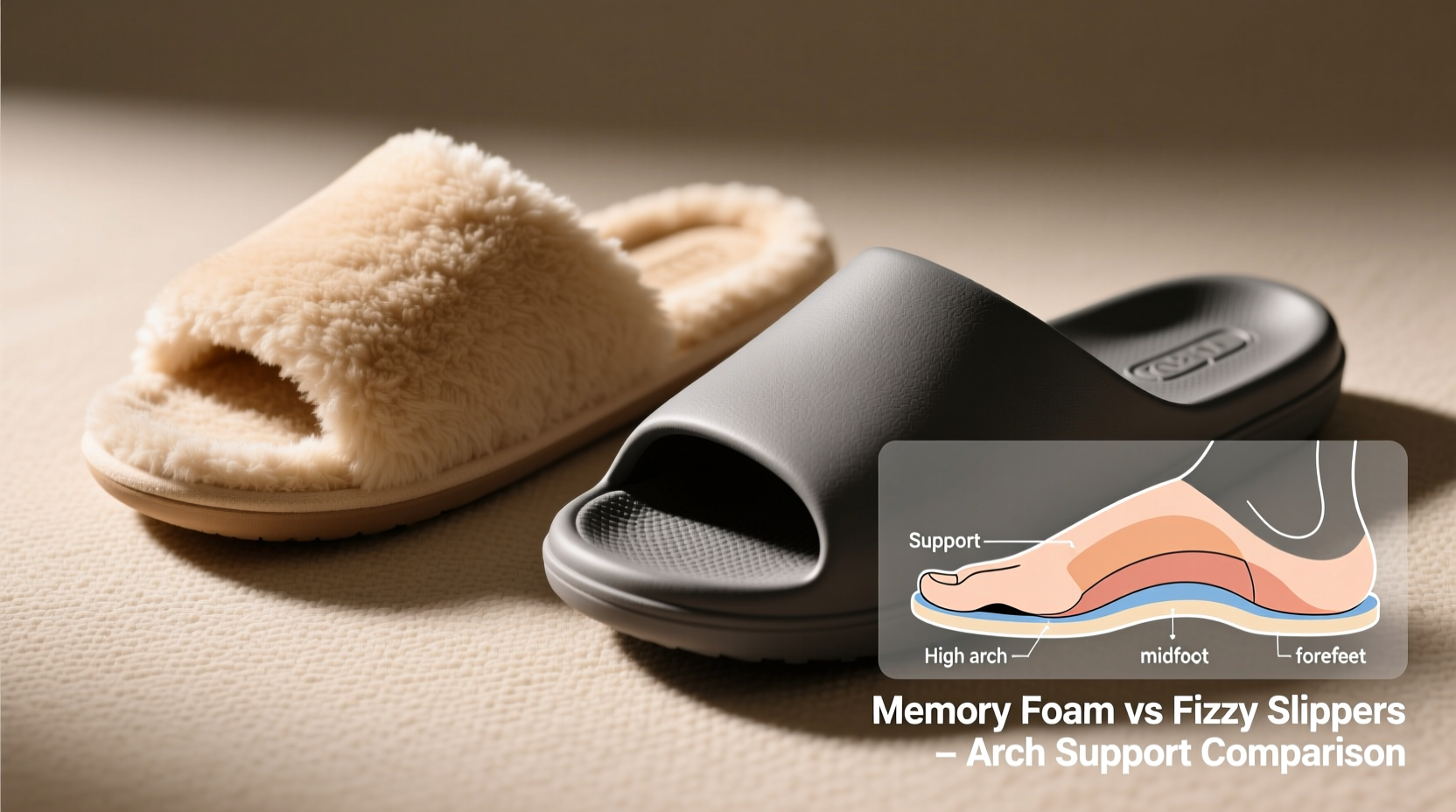
Arch support refers to the structural reinforcement provided beneath the medial longitudinal arch of the foot—the curved area running from heel to ball. This arch acts as a shock absorber during walking and standing, distributing body weight efficiently across the foot. Without adequate support, overpronation (excessive inward rolling) or supination (outward rolling) can occur, leading to strain in the feet, ankles, knees, and lower back.
Poorly supported arches may contribute to conditions such as:
- Plantar fasciitis
- Overuse injuries
- Flat feet progression
- Metatarsalgia (ball-of-foot pain)
For this reason, even indoor footwear should not be overlooked when considering daily foot care. Slippers worn throughout the day—especially after returning from work or during recovery periods—can either reinforce proper alignment or exacerbate existing issues depending on their construction.
“Footwear choices at home are just as important as those outdoors. Chronic lack of arch support indoors can undo the benefits of supportive shoes worn outside.” — Dr. Lena Torres, Podiatrist & Biomechanics Specialist
Fuzzy Slippers: Comfort First, Support Second?
Fuzzy slippers are beloved for their plush texture, warmth, and nostalgic appeal. Typically made with synthetic fleece, sherpa lining, or wool-like fabrics, they prioritize tactile comfort and insulation. However, their construction often sacrifices functional support for softness.
Most traditional fuzzy slippers feature:
- Thin, flexible soles with minimal cushioning
- No built-in arch contouring
- Loose fit that doesn’t secure the heel or midfoot
- Suede or fabric outsoles with low traction
Because these slippers are designed more for lounging than active use, they rarely incorporate orthopedic features. The absence of a defined arch shelf means the foot collapses into a flattened position over time, particularly problematic for individuals with moderate to severe arch concerns.
While some premium models now integrate molded EVA footbeds or light padding under the arch zone, the majority remain structurally passive. Their appeal lies in immediate sensory pleasure—not biomechanical correction.
Memory Foam Slippers: Engineered for Pressure Relief
Memory foam slippers represent a shift toward performance-driven home footwear. Originally developed by NASA for impact absorption, viscoelastic foam molds to the unique shape of the wearer's foot under heat and pressure, offering personalized cushioning.
High-quality memory foam slippers typically include:
- Dense, multi-layered footbeds with targeted arch rise
- Heel cups that stabilize rearfoot alignment
- Contoured midsoles shaped to match anatomical foot curves
- Non-slip rubber outsoles for safer movement
Unlike basic fuzzy models, many memory foam designs are developed in collaboration with podiatrists or based on ergonomic research. Brands like Vionic, Aetrex, and Birkenstock integrate medical-grade arch profiles into their slipper lines, making them suitable for people managing chronic foot pain.
The adaptive nature of memory foam allows continuous redistribution of pressure across the sole, reducing stress on high-load zones such as the heel and metatarsal heads. Over time, consistent use can promote better posture and reduce compensatory movements caused by unstable footing.
How Memory Foam Responds to Arch Needs
One of the key advantages of memory foam is its ability to provide dynamic support. When you step into a well-constructed memory foam slipper:
- The material warms slightly from body heat.
- It compresses more in deeper valleys (like the arch) and less under bony prominences.
- This creates a semi-custom cradle that lifts and stabilizes the arch without rigid components.
- With repeated use, the foam retains a \"memory\" of your foot’s most common loading pattern.
This responsiveness makes memory foam particularly beneficial for people with mild to moderate arch deficiencies who don’t require full orthotics but still benefit from enhanced midfoot elevation.
Comparative Analysis: Fuzzy vs Memory Foam Slippers
| Feature | Fuzzy Slippers | Memory Foam Slippers |
|---|---|---|
| Arch Support Level | Low – flat or absent arch contour | Medium to High – structured, contoured footbed |
| Cushioning Quality | Soft surface feel, minimal shock absorption | Deep compression resistance, excellent energy return |
| Foot Stability | Poor – loose fit, no heel lockdown | Good – secure fit, heel cup, snug upper |
| Durability | Moderate – fabric wears quickly; soles flatten | High – foam maintains integrity for months |
| Best For | Short-term wear, cold environments, relaxation | All-day wear, foot pain sufferers, post-exercise recovery |
| Price Range (USD) | $10–$25 | $30–$80+ |
As shown, memory foam slippers clearly outperform fuzzy alternatives in terms of structural support and functional longevity. That said, personal needs vary. Someone seeking warmth during winter mornings may find a lined fuzzy slipper sufficient. But anyone spending extended time upright at home—working remotely, cooking, or caring for family—will benefit significantly from the stability offered by memory foam.
Real-World Example: Choosing After Injury Recovery
Consider Sarah, a 42-year-old teacher recovering from plantar fasciitis. During her eight-week rehabilitation, her physical therapist emphasized consistent arch support—even at home. Initially, she wore her favorite plush slippers around the house, believing “soft” equaled “healing.” But persistent morning heel pain continued despite stretching and night splints.
Upon switching to a pair of memory foam slippers with a pronounced medial arch ridge and deep heel seat, she noticed improvement within two weeks. “I didn’t realize how much my feet were collapsing inside those old slippers,” she said. “The new ones hold everything in place. It’s like wearing gentle braces while I walk to the kitchen.”
This case illustrates how seemingly minor footwear choices can influence recovery outcomes. For individuals managing musculoskeletal conditions, passive support systems matter—even in casual settings.
Actionable Tips for Better Arch Support at Home
To ensure your indoor footwear contributes positively to foot health, follow this checklist:
✅ Arch Support Slipper Buying Checklist
- Look for visible arch contouring in photos or product diagrams
- Check if the brand collaborates with foot health professionals
- Verify whether the slipper accommodates removable insoles (for orthotics)
- Test for heel cup depth—your heel should sit securely, not slide
- Avoid completely flat interiors; there should be a noticeable rise under the midfoot
- Prefer rubber or textured outsoles over smooth fabric bottoms
- Read verified customer reviews mentioning “arch,” “flat feet,” or “plantar fasciitis”
Step-by-Step: Transitioning to Supportive Slippers
If you're used to wearing soft, unsupportive slippers, switching to structured memory foam models may feel unusual at first. Here’s how to transition smoothly:
- Assess Your Current Use: Track how many hours per day you wear slippers. High usage (>4 hrs/day) increases the need for support.
- Evaluate Symptoms: Note any foot fatigue, heel pain, or cramping after prolonged wear.
- Research Reputable Brands: Focus on companies specializing in therapeutic footwear (e.g., Orthofeet, Propet, OluKai).
- Try On With Socks: Wear the same socks you typically use at home to assess fit accuracy.
- Walk Around for 10 Minutes: Pay attention to pressure points, heel slippage, and arch lift.
- Break In Gradually: Start with 1–2 hours per day, increasing over a week to avoid muscle adaptation soreness.
- Monitor Changes: Keep a simple log of comfort levels and pain reduction over three weeks.
This method ensures you adapt physically and emotionally to the change, maximizing long-term adoption.
Frequently Asked Questions
Can I add arch support to my existing fuzzy slippers?
Yes, but with limitations. You can insert slim gel or felt arch supports into roomy fuzzy slippers. However, due to shallow interiors and loose fits, inserts often shift out of place. Full-length orthotics usually won’t fit unless the slipper has a removable footbed.
Do memory foam slippers lose support over time?
Eventually, yes. Most quality memory foam lasts 6–12 months with daily use before showing signs of permanent compression. Exposure to excessive moisture or heat accelerates breakdown. Replace them when you notice flattened areas under the arch or heel.
Are there hybrid slippers that combine fuzziness and support?
Yes—many brands now offer “best of both worlds” designs. These feature plush linings for warmth and soft uppers while incorporating molded memory foam cores with anatomical shaping. Look for models like the Acorn Comfort Clog or UGG Adirondack Bootie II, which blend luxury materials with engineered support.
Final Verdict: Function Over Fluff
While fuzzy slippers win on initial cuddle appeal, memory foam slippers are the clear victors when it comes to meaningful arch support. Their capacity to deliver customized cushioning, improve alignment, and reduce strain makes them a worthwhile investment for anyone serious about foot health. This doesn’t mean abandoning softness altogether—today’s market offers numerous stylish, warm options that don’t sacrifice structure for comfort.
The goal isn’t to eliminate cozy footwear but to upgrade it. Just as we choose supportive mattresses over thin pallets for better sleep, selecting slippers that honor the biomechanics of the foot leads to greater overall well-being. Especially for older adults, those on their feet frequently, or individuals managing chronic conditions, proper arch support at home is not indulgence—it’s prevention.




 浙公网安备
33010002000092号
浙公网安备
33010002000092号 浙B2-20120091-4
Comments
No comments yet. Why don't you start the discussion?