
Running with flat feet presents unique biomechanical challenges. Without proper arch support and stability, overpronation—the inward rolling of the foot during impact—can lead to discomfort, fatigue, and long-term injuries like plantar fasciitis, shin splints, or knee pain. Yet many runners assume that high-quality support means high prices. That’s not always true. With smart shopping strategies, knowledge of key features, and awareness of value-driven brands, you can find excellent running shoes tailored for flat feet without draining your wallet.
The market is flooded with options, from premium models priced over $150 to budget-friendly versions under $80. The trick lies in knowing what matters most: structure, motion control, cushioning alignment, and fit. This guide breaks down exactly how to identify supportive, durable, and affordable running shoes—even if you're new to running or unfamiliar with footwear technology.
Understanding Flat Feet and Running Mechanics
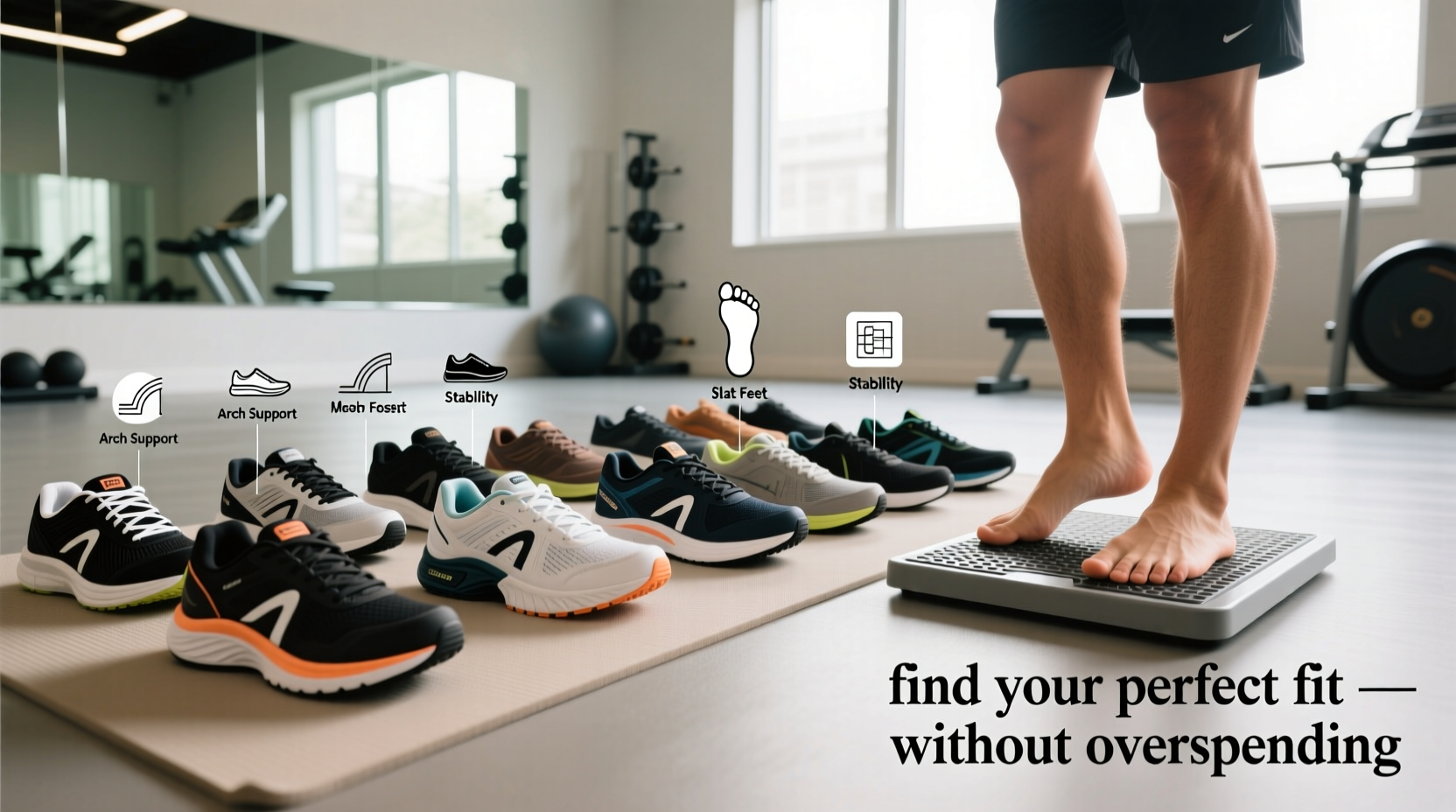
Flat feet, or pes planus, occur when the arches of the feet collapse completely or partially upon standing. This condition affects up to 30% of adults and varies in severity. Some people experience no symptoms; others struggle with chronic pain due to misalignment in the ankles, knees, hips, and lower back.
During running, each footstrike generates forces up to three times body weight. For those with flat feet, this force isn’t evenly distributed. Instead, excessive inward motion (overpronation) destabilizes the ankle joint and increases strain on soft tissues. Over time, this can degrade performance and increase injury risk.
Supportive running shoes counteract this by offering:
- Medial post support: A denser foam insert along the inner midsole limits inward roll.
- Firm heel counters: Rigid cups at the back stabilize the heel and reduce slippage.
- Structured midfoot shanks: Reinforced arch areas prevent excessive flattening.
- Dual-density midsoles: Strategically layered foams guide the foot into a neutral path.
These features don’t have to come at a luxury price point. Many mid-tier and even entry-level models incorporate them effectively, especially from brands focused on functional design rather than flashy marketing.
Key Features to Look for in Affordable Supportive Shoes
When shopping on a budget, focus on structural integrity over aesthetics or brand prestige. Here are the non-negotiable elements for flat-footed runners:
1. Motion Control or Stability Design
Stability shoes are engineered for mild to moderate overpronation. They include medial posts and guided motion systems. Motion control shoes go further, built for severe overpronation with stiffer materials and wider bases. For most flat-footed runners, stability models strike the right balance between support and flexibility.
2. Firm Midsole Density
A soft, marshmallow-like sole may feel plush initially but lacks the resistance needed to correct gait issues. Look for firmer EVA foam or blended compounds that resist compression while still absorbing shock. Brands like Brooks, ASICS, and New Balance often use proprietary blends (e.g., BioMoGo DNA, FlyteFoam) even in lower-priced lines.
3. Heel Counter Rigidity
Press your thumb into the back of the shoe near the heel. If it gives too easily, it won’t hold your foot stable. A good heel counter should resist pressure and keep your calcaneus aligned throughout your stride.
4. Roomy Toe Box with Secure Midfoot Fit
Flat feet often widen under load. A narrow toe box causes blisters and nerve irritation. However, the midfoot must be snug to prevent sliding. Try shoes with adjustable lacing zones or segmented eyelets for customized lockdown.
5. Durable Outsole Rubber Placement
Look for carbon rubber in high-wear areas (heel and forefoot). Some budget shoes skimp here, using blown rubber only, which wears down quickly. Strategic placement extends life without inflating cost.
“Shoe longevity isn’t just about miles—it’s about maintaining structural support. Once the medial post collapses or the heel counter softens, protection fades.” — Dr. Lena Torres, Podiatrist & Sports Medicine Consultant
Smart Shopping Strategies to Save Money
Finding quality doesn’t require full-price retail purchases. Savvy buyers use timing, channels, and product cycles to access top-tier support at lower costs.
Step-by-Step Guide: How to Buy Smart
- Identify your foot type: Wet test or visit a specialty store for gait analysis. Know whether you need stability or motion control.
- Research last year’s models: New releases push older versions down in price. Often, the prior generation performs nearly identically but retails 20–40% cheaper.
- Shop end-of-season sales: Retailers clear inventory in January and July. Winter stock moves out in spring; summer gear drops in fall.
- Compare online retailers: Use tools like Google Shopping, CamelCamelCamel (for Amazon), or Slickdeals to track historical pricing.
- Check outlet stores: Nike Factory Store, ASICS Outlet, and Zappos Clearance offer genuine products at reduced prices.
- Subscribe to newsletters: Brands like Road Runner Sports or REI Co-op send exclusive discount codes to email subscribers.
- Consider refurbished or open-box: Sites like Playa.com or Steptrail sell returned or lightly used athletic shoes at steep discounts.
Top Budget-Friendly Running Shoes for Flat Feet
The following table highlights five reliable, sub-$100 options known for strong support and real-world performance among flat-footed runners. All are current or previous-generation models available at discounted rates.
| Model | Price Range | Support Type | Key Feature | Where to Find Discounts |
|---|---|---|---|---|
| ASICS GT-1000 11 | $70–$90 | Stability | DuoMax support system + Guidance Trusstic | ASICS Outlet, Road Runner Sports, JackRabbit |
| Brooks Adrenaline GTS 13 | $80–$100 | Stability | GuideRails holistic support system | Zappos Clearance, Eastbay, Fleet Feet Sales |
| New Balance 860v13 | $90–$110 (v12 under $85) | Motion Control | Rollbar heel stabilizer + dual-density midsole | NewBalance.com Outlet, Kohl's, Macy's |
| Saucony Guide 16 | $85–$100 | Stability | PTFE medial support rail + PWRRUN foam | Saucony.com Sale Section, JD Sports, Academy |
| Reebok Floatride Energy 5 | $65–$80 | Light Stability | Foam midsole with subtle arch contour | Amazon Warehouse, Reebok Official Site, Walmart |
Note: The Reebok model suits mild overpronators. Those with significant flat feet may prefer the stronger control offered by ASICS, Brooks, or New Balance.
Mini Case Study: Sarah’s Experience
Sarah, a 34-year-old teacher from Ohio, started running to improve her fitness after years of sedentary work. She had flat feet and experienced sharp arch pain after just two miles. Her local running store recommended a $140 stability shoe, but she couldn’t justify the cost.
Instead, she researched and found the ASICS GT-1000 10 on clearance for $68. After confirming the fit and support level matched her needs, she bought a pair. Six months later, she’s completed two 10Ks with zero pain. “I thought I needed the newest, most expensive shoe,” she said. “But this one does everything I need—and saved me $70.”
Your Shoe Selection Checklist
Before purchasing any running shoe for flat feet on a budget, verify these points:
- ✅ Confirmed stability or motion control designation (check manufacturer specs)
- ✅ Firm heel counter (press with thumb to test rigidity)
- ✅ Visible medial post or internal support rail
- ✅ Durable rubber in heel strike zone
- ✅ Snug midfoot, roomy forefoot fit
- ✅ Priced below $100 through sale, outlet, or previous model
- ✅ Return policy available (in case fit isn’t right)
Frequently Asked Questions
Can I use orthotics with budget running shoes?
Yes. Many affordable shoes have removable insoles, making space for custom or over-the-counter orthotics. In fact, pairing a supportive insert with a well-structured but inexpensive shoe can enhance comfort and alignment more effectively than relying solely on built-in support.
How long do budget running shoes last for flat feet?
Most quality running shoes last 300–500 miles. However, flat-footed runners may wear out the inner midsole faster due to overpronation. Inspect the medial side of the midsole monthly. If creasing or compression appears deep and permanent, it’s time to replace the shoe—even if the outsole looks fine.
Are there any free tools to analyze my gait?
Yes. Several apps—like Runkeeper, Strava, or Fiit—offer basic gait analysis using phone or watch sensors. While not medical-grade, they can detect asymmetry or excessive bounce. For deeper insight, film yourself running from behind using slow-motion mode on a smartphone. Look for inward knee collapse or heel twist, signs of poor stability.
Final Thoughts: Support Doesn’t Have to Be Expensive
Choosing the right running shoes for flat feet isn’t about spending the most—it’s about spending wisely. Understanding your biomechanics, recognizing critical support features, and leveraging smart shopping tactics allow you to access proven performance without overspending. Whether you’re training for your first 5K or logging daily miles, proper footwear lays the foundation for comfort, endurance, and long-term joint health.
You don’t need the latest limited-edition release to protect your feet. Sometimes, the quiet, overlooked models deliver the most consistent results. By focusing on structure over hype, timing your purchase, and trusting tested designs, you gain both savings and support.




 浙公网安备
33010002000092号
浙公网安备
33010002000092号 浙B2-20120091-4
Comments
No comments yet. Why don't you start the discussion?