
White canvas shoes are a timeless staple—versatile, breathable, and effortlessly stylish. But their bright appearance is short-lived if not cared for properly. One of the most common frustrations? The dreaded yellowing along the edges and soles after cleaning. This discoloration often results from improper cleaning agents, sunlight exposure, or chemical reactions with residues left behind by conventional cleaners.
Instead of reaching for bleach or synthetic detergents that degrade fabric and cause yellow stains, there’s a better way: natural, non-toxic solutions that lift dirt, eliminate odors, and preserve the crisp white look—without unwanted browning. These methods are gentle on materials, safe for your skin, and kinder to the environment.
Why Yellowing Happens—and How to Prevent It
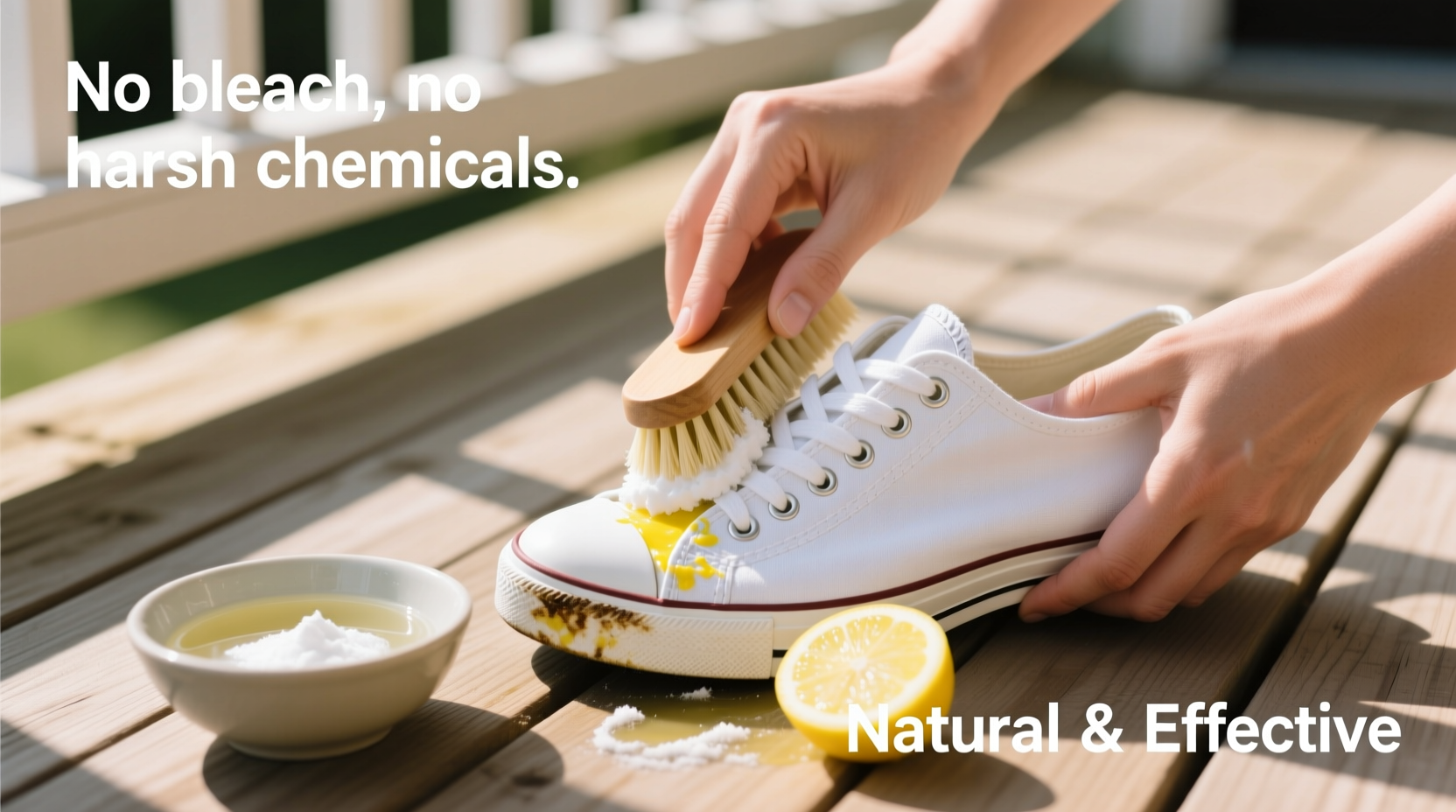
Yellowing in white canvas shoes typically occurs due to oxidation, sweat absorption, detergent buildup, or exposure to UV light. Many commercial cleaners contain chlorine or optical brighteners that temporarily whiten but break down fibers over time, leading to discoloration. Even baking soda, when used excessively or left un-rinsed, can contribute to alkaline residue that reacts under sunlight.
Natural cleaning avoids harsh chemicals and focuses on pH-balanced ingredients that cleanse without damaging. The goal isn’t just cleanliness—it’s longevity and color preservation. Understanding the root causes helps you choose the right method and avoid repeating mistakes.
Step-by-Step Guide: Natural Cleaning Process
Cleaning white canvas shoes naturally requires patience and attention to detail. Rushing the process or skipping steps like rinsing or drying can undo your efforts. Follow this detailed sequence for optimal results.
- Remove laces and insoles: Take out shoelaces and removable insoles. Wash them separately using the same natural solutions to ensure complete freshness.
- Dry brush first: Use a soft-bristle toothbrush or dry cloth to remove surface dust, mud, and loose debris. This prevents scrubbing dirt deeper into fibers during washing.
- Prepare natural cleaning paste: Mix one tablespoon of baking soda with two tablespoons of hydrogen peroxide (3%) and one tablespoon of liquid castile soap. Stir into a smooth paste. This combination lifts stains gently while disinfecting without bleaching.
- Spot test: Apply a small amount to an inconspicuous area (like near the heel). Wait 15 minutes. If no discoloration or texture change occurs, proceed.
- Scrub gently: Dip a soft toothbrush into the paste and work it into stained areas using circular motions. Focus on edges, toe caps, and any discolored zones—but avoid oversaturating the fabric.
- Rinse thoroughly: Dampen a clean microfiber cloth with cold water and wipe off all paste residue. Repeat until no foam remains. Residue left behind can crystallize and attract more dirt.
- Neutralize pH: Wipe down the shoe with a cloth dampened in diluted white vinegar (one part vinegar to three parts water). This step removes alkaline traces from baking soda and helps prevent yellowing.
- Air-dry correctly: Stuff shoes with crumpled newspaper or paper towels to maintain shape and absorb moisture. Place in a well-ventilated room away from direct heat or sunlight. Avoid radiators, hairdryers, or outdoor sun exposure.
The entire process takes about 20–30 minutes of active work, plus 12–24 hours of drying time. Patience ensures structural integrity and prevents warping or discoloration.
Alternative Natural Methods & When to Use Them
Not every stain or shoe condition responds the same way. Having multiple natural options allows you to tailor treatment based on wear level and soil type.
| Method | Best For | How to Apply | Caution |
|---|---|---|---|
| Lemon juice + Sunlight | Mild yellowing on rubber soles | Apply fresh lemon juice to sole edges; place in indirect sunlight for 1–2 hours | Do not use on fabric uppers—can weaken fibers and cause fading |
| Vinegar + Baking Soda Soak | Odor removal and deep cleaning | Soak insoles/laces in 1:1 vinegar-water + 1 tbsp baking soda for 30 mins | Never mix vinegar and hydrogen peroxide directly—they neutralize each other |
| Castile Soap Wash | Regular maintenance between deep cleans | Dilute 1 tsp in 1 cup warm water; wipe with cloth | Avoid excessive moisture; always rinse with damp cloth afterward |
| Activated Charcoal Paste | Oil-based stains (grease, makeup) | Mix crushed charcoal tablet with water; apply, let sit 20 mins, then brush off | Can leave gray residue—rinse extremely well |
These alternatives offer flexibility without compromising safety. For instance, lemon juice acts as a natural oxidizing agent when paired with sunlight, making it useful for whitening rubber—but its acidity makes it unsuitable for fabric uppers. Castile soap, derived from plant oils, cuts through grime without synthetic surfactants, ideal for routine upkeep.
Mini Case Study: Reviving a Pair of Vintage Converse
Sophie, a graphic designer in Portland, inherited her father’s old white Converse from the '90s. Though structurally sound, the shoes were dingy, with brownish-yellow edges and musty odor. She wanted to restore them as a tribute but refused to use bleach.
She began by removing the laces and hand-washing them in castile soap and vinegar. After dry brushing the uppers, she applied the baking soda–hydrogen peroxide–castile soap paste, focusing on the toe cap and side seams. She scrubbed gently for 10 minutes, wiped clean with a damp cloth, then neutralized with a vinegar-water mist.
She stuffed the shoes with newspaper and dried them overnight in a shaded closet. After 18 hours, the canvas was bright white, the smell gone, and crucially—no yellowing had developed. The rubber trim remained intact, though slightly aged. Sophie now repeats this process every six weeks to keep them fresh.
Her success came not just from the ingredients, but from careful execution: thorough rinsing, pH balancing, and proper drying. It proves that even heavily worn shoes can be revived naturally—with respect for both material and memory.
“Natural cleaning isn’t slower—it’s smarter. You’re not just removing dirt; you’re preserving the life of the material.” — Dr. Lena Patel, Textile Sustainability Researcher, University of British Columbia
Checklist: How to Clean White Canvas Shoes Without Yellowing
- ✅ Remove laces and insoles before cleaning
- ✅ Dry brush to remove surface debris
- ✅ Spot test any paste or solution first
- ✅ Use a natural paste: baking soda, hydrogen peroxide (3%), and castile soap
- ✅ Scrub gently with a soft toothbrush
- ✅ Rinse thoroughly with cold water
- ✅ Wipe with diluted white vinegar to neutralize pH
- ✅ Stuff with paper to retain shape
- ✅ Air-dry indoors, away from sunlight and heat
- ✅ Store in breathable cotton bag when not in use
This checklist ensures no critical step is skipped. Skipping pH neutralization, for example, may leave alkaline residue that turns yellow upon drying. Each action supports the next, creating a system—not just a one-off fix.
Common Mistakes That Cause Yellowing
Even with natural ingredients, poor technique leads to disappointing results. Here are frequent errors and how to avoid them:
- Using too much baking soda: While mildly abrasive and deodorizing, excess baking soda increases alkalinity. When exposed to air and light, it can react with organic matter (like sweat) and form yellow compounds.
- Drying in direct sunlight: UV rays accelerate oxidation of residual proteins and oils trapped in fibers. This is especially true if the shoe wasn’t rinsed well. Always dry in shade.
- Mixing incompatible solutions: Combining vinegar and hydrogen peroxide kills their active components. Use them in sequence, not simultaneously.
- Leaving paste on too long: Letting pastes sit beyond 20 minutes risks fiber breakdown and residue buildup. Stick to recommended dwell times.
- Washing in a machine: Agitation can fray canvas and glue layers. Plus, residual detergent often causes yellowing. Hand-cleaning gives control and gentler results.
FAQ
Can I use apple cider vinegar instead of white vinegar?
While apple cider vinegar has similar acidity, its color and residual sugars may stain light fabric or feed mildew. Stick to clear distilled white vinegar for best results.
How often should I clean my white canvas shoes naturally?
Light surface wiping with a castile-soap-dampened cloth every 1–2 weeks maintains brightness. A full deep clean using the baking soda–peroxide method is recommended every 4–6 weeks, depending on wear.
Will hydrogen peroxide damage canvas over time?
When used correctly (3% concentration, limited exposure, thorough rinsing), hydrogen peroxide is safe for occasional use. It breaks down into water and oxygen, leaving no harmful residue. However, daily use may weaken fibers—reserve it for periodic deep cleaning.
Conclusion: Care With Nature, Not Chemicals
Cleaning white canvas shoes without yellowing doesn’t require special products or expensive tools. It demands understanding: knowing how materials react, why stains form, and how natural chemistry can work in your favor. By choosing gentle, plant-based ingredients and respecting the drying process, you protect both the appearance and lifespan of your footwear.
Every pair of white shoes tells a story—from city walks to festival days. Keeping them clean shouldn’t mean sacrificing their integrity with harsh bleaches or risking yellow stains from improper care. With these natural methods, you honor both the craft of the shoe and the journey it’s been on.




 浙公网安备
33010002000092号
浙公网安备
33010002000092号 浙B2-20120091-4
Comments
No comments yet. Why don't you start the discussion?