
Sleep is not a luxury—it’s a biological necessity. Yet millions struggle nightly with poor sleep quality due to environmental disruptions like light pollution and ambient noise. The solution lies in transforming your bedroom into a true sleep sanctuary: a space engineered for relaxation, darkness, and acoustic calm. Two of the most effective tools for achieving this are blackout curtains and sound machines. When used strategically, they can dramatically improve sleep onset, reduce nighttime awakenings, and enhance overall restorative rest.
This guide walks through the science-backed benefits of each, how to choose the right products, and how to integrate them into a holistic sleep environment that supports long-term wellness.
The Science Behind Sleep Optimization
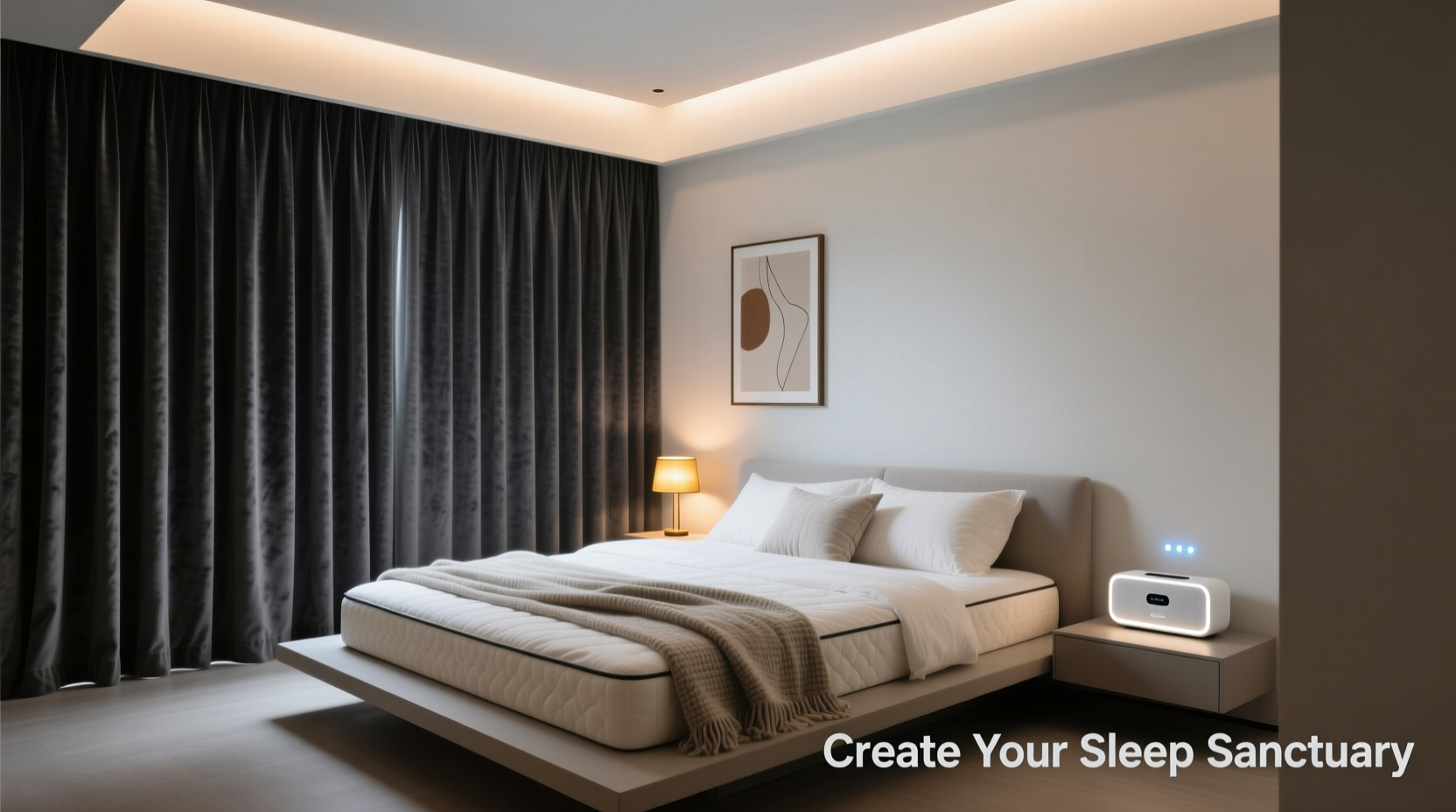
Quality sleep depends on more than just time spent in bed. Environmental cues—especially light and sound—play a critical role in regulating circadian rhythms, the body’s internal clock that governs sleep-wake cycles. Exposure to artificial light at night suppresses melatonin, the hormone responsible for signaling sleep readiness. Even small amounts of light from streetlamps or electronic devices can delay sleep onset and fragment deep sleep stages.
Likewise, sudden or inconsistent sounds—traffic, snoring, barking dogs, or HVAC systems—can cause micro-arousals, brief interruptions in sleep that may not fully wake you but still disrupt sleep architecture. Over time, these disturbances contribute to fatigue, reduced cognitive performance, and increased risk of chronic conditions like hypertension and depression.
“Creating a sensory-controlled environment is one of the most underutilized yet powerful tools in sleep hygiene.” — Dr. Lena Patel, Board-Certified Sleep Specialist
Blackout curtains and sound machines directly address these two major disruptors. Together, they form the foundation of a sleep sanctuary—a bedroom optimized for uninterrupted, restful nights.
Choosing the Right Blackout Curtains
Not all curtains are created equal when it comes to blocking light. True blackout curtains are designed with tightly woven, opaque fabrics and often include special linings that prevent any external light from penetrating the room.
When selecting blackout curtains, consider the following factors:
- Material density: Look for triple-weave or thermal-lined fabrics that block 99–100% of light.
- Size and coverage: Curtains should extend beyond the window frame (at least 6–8 inches on each side) and reach the floor to eliminate gaps where light can seep in.
- Color: Darker colors absorb more light, but even white blackout curtains can be effective if properly lined.
- Installation: Use ceiling-mounted rods to cover the entire window area, including the top, which is often overlooked.
Do’s and Don’ts of Blackout Curtain Selection
| Do’s | Don’ts |
|---|---|
| Choose curtains labeled “100% blackout” or “total blockout” | Assume thick fabric alone guarantees full light blockage |
| Opt for wide panels that overlap in the center | Select curtains shorter than floor-length |
| Use tension rods or draft stoppers at the bottom to seal gaps | Install rods too close to the window frame |
| Clean according to manufacturer instructions to maintain lining integrity | Dry clean unless specified—some linings degrade with harsh chemicals |
Maximizing Benefits with Sound Machines
A sound machine doesn’t just mask noise—it actively shapes your auditory environment to support relaxation and sustained sleep. Unlike silence, which can make minor sounds more jarring, consistent background sound creates a buffer that reduces the brain’s reactivity to disturbances.
There are several types of sound profiles available:
- White noise: A steady blend of all audible frequencies. Ideal for masking abrupt sounds like door slams or phone rings.
- Pink noise: Emphasizes lower frequencies, mimicking rainfall or steady wind. Research suggests pink noise may enhance deep sleep stability.
- Brown noise: Even deeper and rumbly, similar to thunder or ocean waves. Often preferred by people sensitive to high-pitched sounds.
- Nature sounds: Birdsong, forest ambiance, or gentle streams. Best for relaxation but less effective for consistent noise masking.
For optimal results, place the sound machine 3–6 feet from your bed, directed away from your head to avoid overexposure. Set volume between 45–55 decibels—roughly the level of a quiet conversation.
Step-by-Step Guide: Building Your Sleep Sanctuary
- Assess your current sleep environment. Spend a few nights noting what wakes you—light from streetlamps? Noise from neighbors? Write down patterns.
- Measure your windows. Determine the width and height to select appropriately sized blackout curtains with full coverage.
- Shop for certified blackout curtains. Prioritize materials with independent testing for light blockage and thermal insulation.
- Install curtains correctly. Mount rods above and beyond the window frame. Seal edges with adhesive strips if needed.
- Select a sound machine based on your sensitivity. Test different sound types using apps or sample videos to find your preference.
- Position the sound machine strategically. Avoid placing it on a nightstand right next to your ear; aim for subtle, ambient presence.
- Set a consistent bedtime routine. Dim lights an hour before bed, close curtains early, and start the sound machine as part of wind-down rituals.
- Monitor improvements. Track sleep quality using a journal or wearable device for two weeks to assess changes.
Real-Life Example: Transforming a City Apartment Bedroom
Jamie lived in a third-floor apartment near a busy intersection in Chicago. Despite feeling tired, she regularly took over 45 minutes to fall asleep and woke multiple times from sirens, late-night foot traffic, and early morning sunlight streaming through thin blinds.
After consulting a sleep coach, she invested in floor-to-ceiling blackout curtains with thermal backing and a compact sound machine offering pink noise. She mounted the curtain rod six inches above the window and extended it four inches past each side. At night, she closed the curtains by 8:30 PM and set the sound machine to a low-volume rain setting.
Within five days, Jamie reported falling asleep in under 20 minutes. After two weeks, her nighttime awakenings dropped from 3–4 per night to just one. Her wearable tracker confirmed a 27% increase in deep sleep duration. “It feels like my room became a cocoon,” she said. “I didn’t realize how much light and noise were stressing my system until they were gone.”
Complementary Elements of a Sleep Sanctuary
While blackout curtains and sound machines are foundational, a complete sleep sanctuary includes other supportive elements:
- Temperature control: Keep the bedroom between 60–67°F (15–19°C). Consider breathable bedding and a fan or thermostat adjustment.
- Minimal electronics: Remove TVs, laptops, and bright alarm clocks. Use red-hued nightlights if needed.
- Calming aesthetics: Neutral colors, clutter-free surfaces, and natural materials promote psychological relaxation.
- Bedding quality: Invest in a supportive mattress and pillows aligned with your sleep position.
Think of your bedroom as a retreat dedicated solely to rest—not work, not scrolling, not stress. Every design choice should reinforce that purpose.
FAQ: Common Questions About Sleep Sanctuaries
Can I use a white noise app instead of a dedicated sound machine?
Yes, many smartphone apps offer high-quality white, pink, or brown noise. However, relying on a phone introduces risks: screen light exposure before bed, battery drain, or notifications disrupting playback. Dedicated sound machines are safer and more reliable for long-term use.
Do blackout curtains help with energy efficiency?
Absolutely. In addition to blocking light, most blackout curtains have insulating properties that reduce heat transfer. This helps keep rooms cooler in summer and warmer in winter, lowering HVAC costs over time.
Are sound machines safe for children?
Yes, but with precautions. Place the device at least 3 feet from the crib and set volume below 50 decibels (about the level of a soft shower). The American Academy of Pediatrics warns against excessively loud or close-proximity use, which could affect hearing development.
Sleep Sanctuary Checklist
- ✅ Evaluate current bedroom for light and noise leaks
- ✅ Measure all windows for proper curtain sizing
- ✅ Purchase 100% blackout curtains with full coverage
- ✅ Install rods above and beyond window frames
- ✅ Choose a sound machine with adjustable volume and sound types
- ✅ Position sound machine 3–6 feet from bed, facing away
- ✅ Establish a pre-sleep routine that includes closing curtains and starting sound
- ✅ Test and adjust settings over 7–10 nights
- ✅ Track sleep quality improvements weekly
- ✅ Maintain cleanliness of curtains and device for long-term performance
Conclusion: Reclaim Your Nights, Restore Your Days
A good night’s sleep shouldn’t feel elusive. By intentionally designing your bedroom with blackout curtains and a sound machine, you take control of the two most disruptive environmental factors: light and sound. These tools are not quick fixes—they are long-term investments in mental clarity, emotional resilience, and physical health.
You don’t need a luxury bedroom or expensive renovations. Start with one change: hang proper blackout curtains tonight, or place a sound machine on your dresser tomorrow. Small steps compound into transformative results. As your sleep improves, so will your focus, mood, and energy.




 浙公网安备
33010002000092号
浙公网安备
33010002000092号 浙B2-20120091-4
Comments
No comments yet. Why don't you start the discussion?