
Leather keychains are more than just functional accessories—they’re daily companions that reflect personal style and craftsmanship. Unlike synthetic alternatives, a well-made real leather keychain ages beautifully, developing a rich patina over time while resisting wear from constant use. However, not all leather products are created equal. With so many imitations flooding the market, knowing how to distinguish genuine, high-quality leather is essential for making a purchase that lasts years, not months.
Understanding Leather Types: Not All Leather Is Equal
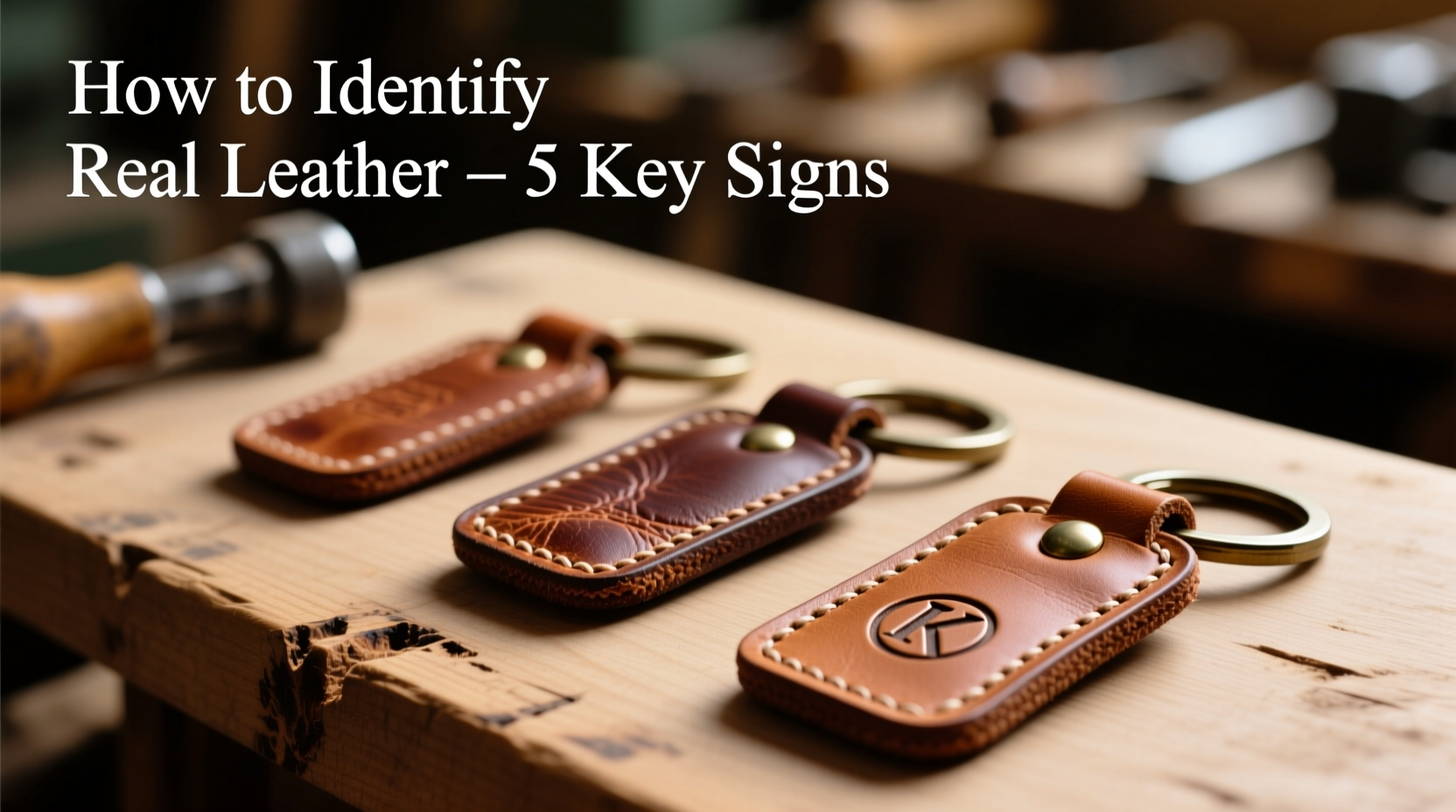
The first step in selecting a durable leather keychain is understanding the different types of leather available. Each grade offers distinct characteristics in terms of texture, strength, and longevity.
- Full-Grain Leather: The highest quality available, full-grain leather uses the complete top layer of the hide, including natural grain and imperfections. These \"flaws\" actually enhance durability and develop a unique patina over time.
- Top-Grain Leather: Slightly lower than full-grain, this leather has been sanded to remove surface irregularities and often coated with a finish. While still durable, it doesn’t age as organically.
- Genuine Leather: A misleading term—this refers to real leather but made from lower layers of the hide, bonded and pressed. It’s less durable and prone to cracking.
- Bonded or Faux Leather: Made from leftover scraps mixed with adhesives (bonded) or entirely synthetic (faux), these materials lack breathability and structural integrity.
Key Indicators of High-Quality Leather Construction
Durability isn’t just about the type of leather—it also depends on how the keychain is constructed. Pay attention to these physical indicators when evaluating quality.
- Texture and Grain: Real leather has an inconsistent, organic grain pattern. If the texture looks too uniform, it’s likely embossed faux leather.
- Smell: Genuine leather has a distinct, earthy aroma. Synthetic materials often carry a chemical or plastic scent.
- Edge Finish: High-end keychains feature cleanly burnished or painted edges. Rough, frayed, or inconsistently finished edges suggest poor craftsmanship.
- Stitching Quality: Look for tight, even stitching using waxed thread. Double or saddle stitching is superior because it won’t unravel if one thread breaks.
- Hardware Compatibility: Metal clasps, rings, or rivets should be solid brass or stainless steel—not cheap zinc alloys that corrode or snap under stress.
| Feature | High-Quality Sign | Poor-Quality Red Flag |
|---|---|---|
| Leather Type | Full-grain or top-grain | Labeled \"genuine,\" \"bonded,\" or no specification |
| Surface Texture | Natural, varied grain with minor imperfections | Perfectly uniform pattern |
| Edges | Sanded and sealed smoothly | Rough, peeling, or uneven |
| Stitching | Double-stitched with waxed thread | Single stitch, loose threads |
| Hardware | Brass, stainless steel, or solid metal | Lightweight, magnetic, flimsy |
Step-by-Step Guide to Choosing a Durable Leather Keychain
Selecting the right keychain involves more than aesthetics. Follow this practical process to ensure you're investing in long-term value.
- Define Your Use Case: Will it hold heavy keys? Be exposed to moisture? Used daily? Heavy-duty use demands full-grain leather and reinforced hardware.
- Inspect Material Transparency: Reputable brands disclose leather origin and type. If details are missing, assume lower quality.
- Examine the Edges and Stitching: Run your finger along the edge. It should feel smooth and sealed. Check for consistent stitch spacing.
- Test Flexibility: Bend the leather gently. It should flex without cracking. Stiffness may indicate heavy coatings or low-grade material.
- Assess Hardware Strength: Pull slightly on the ring or clasp. It should feel secure, with no wobbling or weak joints.
- Consider Brand Reputation: Research customer reviews and brand ethics. Companies specializing in leather goods often offer better transparency and warranties.
“Durability starts with material integrity. A full-grain leather keychain properly stitched can outlive its owner.” — Daniel Reyes, Artisan Leathercraft Instructor
Real Example: From Doubt to Confidence in One Purchase
Mark, a frequent traveler, had gone through three leather keychains in two years—all cracked or torn within months. Frustrated, he researched before buying a new one. This time, he looked beyond price and branding. He chose a minimalist keychain made from vegetable-tanned full-grain leather with brass hardware, sourced from a small workshop in Colorado. The product page detailed the tanning process and included close-up images of grain and stitching.
Two years later, the keychain shows signs of use—but in a good way. The leather has darkened slightly, developed a soft sheen, and conforms perfectly to his grip. The brass ring remains intact despite daily exposure to airport security bins and travel bags. Mark now recommends the same brand to friends, emphasizing that initial cost is irrelevant when compared to long-term value.
Care Practices That Extend Lifespan
Even the finest leather requires minimal maintenance to maintain strength and appearance. Proper care prevents drying, cracking, and premature aging.
- Wipe clean monthly with a dry or slightly damp cloth to remove dirt and oils.
- Avoid prolonged exposure to water. If wet, let it air-dry slowly—never near direct heat.
- Condition every 3–6 months with a natural leather conditioner (e.g., beeswax or neatsfoot oil).
- Store in a breathable fabric pouch when not in use for extended periods.
- Keep away from direct sunlight to prevent fading and drying.
Frequently Asked Questions
How can I tell if a leather keychain is real without cutting it?
Use the water test: Place a single drop on the surface. Real leather will absorb the moisture slowly, darkening slightly. Fake leather will bead up or resist absorption entirely. Also, check the smell and grain pattern—real leather has a warm, organic scent and irregular texture.
Does a higher price always mean better quality?
Not always, but extremely low prices are a red flag. High-quality leather and handcrafting incur real costs. Brands charging $5–$10 for a “premium” leather keychain are likely using bonded or faux materials. Invest in the $25–$50 range for authentic, handmade options.
What makes vegetable-tanned leather a better choice?
Vegetable tanning uses natural tannins from tree bark and plants instead of toxic chromium salts. It’s eco-friendly, produces richer aging characteristics, and is less likely to cause skin irritation. Though slower and more expensive, it results in stronger, longer-lasting leather ideal for small accessories.
Final Checklist Before Buying
- ✅ Full-grain or top-grain leather specified?
- Yes – proceed. No – reconsider.
- ✅ Consistent, tight stitching (preferably double-stitched)?
- Check both sides of the seam.
- ✅ Solid metal hardware (brass or stainless steel)?
- A magnet shouldn’t stick to it.
- ✅ Smooth, sealed edges?
- No fraying or roughness.
- ✅ Transparent brand sourcing and tanning method?
- Look for details on origin and process.
Conclusion: Choose Wisely, Own Forever
A high-quality leather keychain isn’t just an accessory—it’s a small act of intentional living. By choosing full-grain leather, inspecting craftsmanship, and maintaining it with care, you invest in an object that improves with time. In a world of disposability, such items stand as quiet statements of durability and taste. Don’t settle for shine over substance. Examine, question, and select with purpose. Your keys deserve more than flimsy imitation—they deserve real leather built to last.




 浙公网安备
33010002000092号
浙公网安备
33010002000092号 浙B2-20120091-4
Comments
No comments yet. Why don't you start the discussion?