
Spring brings unpredictable weather—cool mornings, warm afternoons, and everything in between. It’s the perfect time to experiment with layering, especially when it comes to scarves. But one common concern stops many from embracing this transitional trend: overheating. The thought of wrapping up in fabric as temperatures rise can feel counterintuitive, even uncomfortable. Yet, with the right materials, techniques, and styling awareness, you can wear scarves throughout spring without breaking a sweat.
The key isn’t avoiding scarves altogether—it’s choosing intelligently and layering strategically. By understanding fabric weight, drape, airflow, and body heat regulation, you can elevate your look while staying cool. This guide breaks down exactly how to incorporate scarves into your spring wardrobe in a way that feels fresh, not stifling.
Select Lightweight, Breathable Fabrics
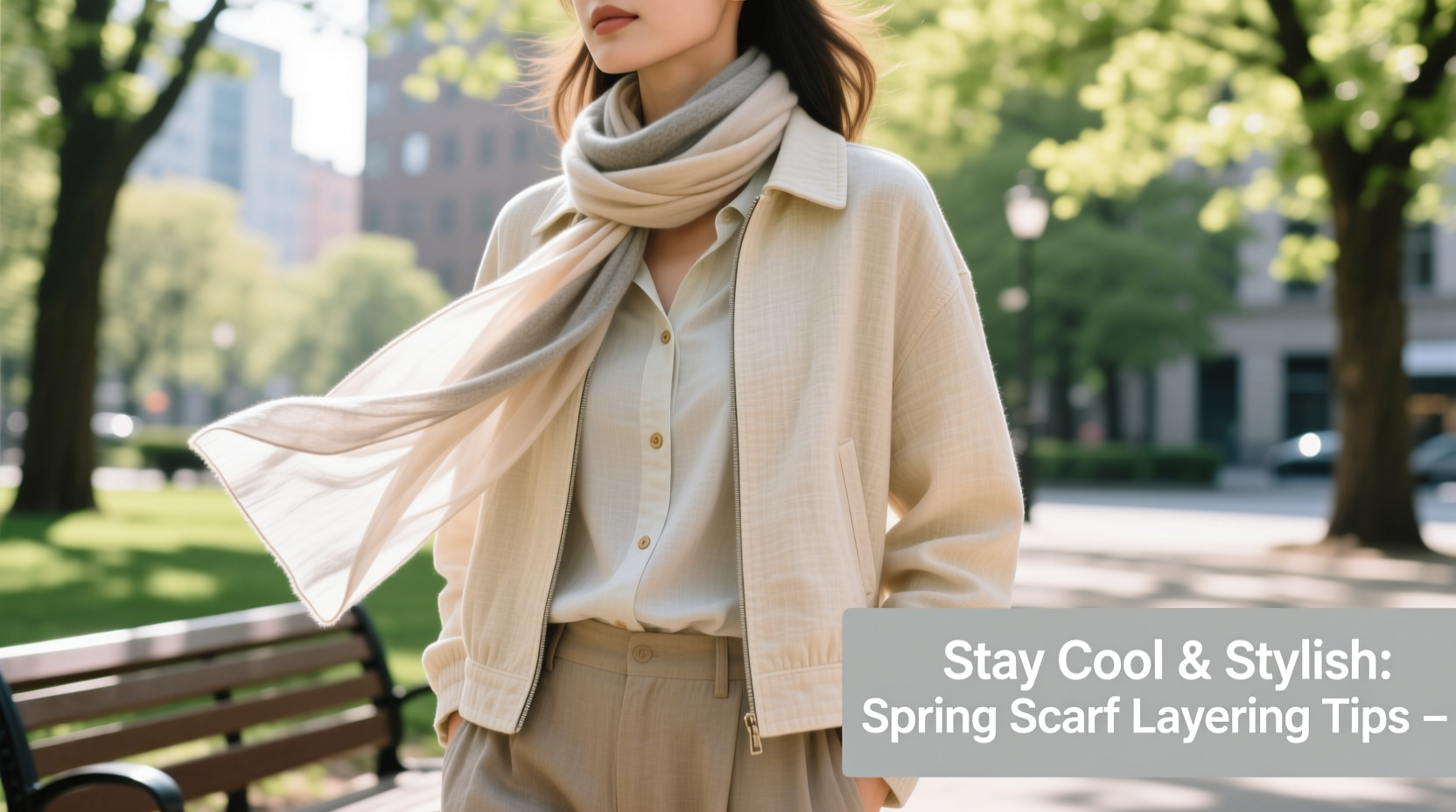
The foundation of comfortable spring scarf layering starts with material selection. Heavy wools or thick knits belong to winter wardrobes. In spring, opt for natural fibers that allow air circulation and wick moisture away from the skin.
- Cotton: Soft, breathable, and easy to wash. Ideal for daytime wear, especially in gauze or voile weaves.
- Linen: Naturally temperature-regulating and highly absorbent. It gets softer with each wash and resists pilling.
- Silk: Lightweight and smooth, silk drapes beautifully and helps regulate body temperature. Great for elevated looks without bulk.
- Rayon or Viscose: Often derived from wood pulp, these semi-synthetic fabrics mimic silk’s fluidity and breathability at a lower cost.
Avoid polyester blends unless they’re specifically designed for moisture-wicking. These synthetic materials trap heat and prevent evaporation, increasing the risk of discomfort and perspiration.
Master the Art of Minimalist Layering
Layering doesn’t mean covering every inch of skin. In spring, subtlety is more effective than coverage. Think of your scarf as an accent piece rather than insulation. A loosely draped silk square around the neck adds polish without adding warmth.
Try the “half-tuck” method: drape a long rectangular scarf over your shoulders, cross the ends in front, then tuck one end into your jacket or blouse. This keeps the scarf secure while allowing ventilation across the chest and back.
Another approach is the loop-and-drape: fold a lightweight scarf in half, place the loop around your neck, pull the loose ends through, but don’t tighten. Let it rest loosely, creating volume without constriction. This technique works especially well with open-front cardigans or trench coats.
“Scarves in spring should whisper elegance, not shout protection. Less tension means better airflow.” — Lena Torres, Fashion Stylist & Seasonal Wardrobe Consultant
Strategic Placement Based on Body Heat Zones
Your body generates heat unevenly. The neck, chest, and upper back are primary zones where warmth builds—and also where most people instinctively drape scarves. To avoid overheating, redirect your scarf placement slightly.
Instead of wrapping tightly around the neck, let the scarf sit lower—draped across the collarbones or over the shoulders like a shawl. This still provides visual interest and a touch of coverage while minimizing direct contact with high-heat areas.
For blazers or structured jackets, try placing a narrow scarf beneath the lapel. Fold a small square into a triangle, tie the pointed end at the nape, and let the base lie flat under the jacket’s collar. This adds color or pattern without trapping heat against the throat.
Do’s and Don’ts of Spring Scarf Placement
| Do | Don’t |
|---|---|
| Drape loosely over shoulders for airflow | Wrap tightly multiple times around the neck |
| Use sheer or open-weave fabrics near the face | Wear bulky knits during midday sun |
| Pair with V-necks to maintain openness | Layer over high-collared tops unless necessary |
| Remove scarf indoors or when active | Forget to adjust as temperatures shift |
Step-by-Step Guide: How to Layer a Scarf for Spring Comfort
Follow this practical sequence to wear a scarf confidently in fluctuating spring conditions:
- Assess the forecast: Check morning and afternoon temperatures. If highs exceed 70°F (21°C), prioritize ultra-light fabrics.
- Choose your base layer: Opt for breathable tops—cotton tees, linen shirts, or sleeveless knits. Avoid turtlenecks unless the scarf is very open.
- Select the right scarf: Pick a material like cotton gauze, silk, or fine rayon. Size should be proportional—long rectangles or large squares work best.
- Decide on drape style: For walks or commutes, go for shoulder draping. For office settings, try the inside-lapel twist.
- Adjust dynamically: As the day warms up, loosen the scarf or reposition it over one shoulder. Carry a compact knot if needed.
- Transition indoors: Remove the scarf before entering heated spaces. Fold and store in a tote or hang over a chair to maintain shape.
This six-step process ensures you stay stylish without sacrificing comfort. The goal is adaptability—your scarf should enhance your look, not become a burden as the sun climbs.
Real-World Example: A Day in Austin, Texas
Maria, a marketing consultant based in Austin, faces dramatic spring temperature swings—from 55°F (13°C) at sunrise to 82°F (28°C) by noon. She used to avoid scarves entirely during this season, fearing she’d overheat during client meetings.
Last April, she experimented with a soft, oversized linen scarf in pale sage. She wore it draped loosely over her shoulders with a sleeveless cotton dress and denim jacket. During her morning walk to the office, the scarf provided just enough warmth. By 10:30 a.m., she loosened it, letting one end fall behind her back, which improved airflow while maintaining a polished appearance.
At lunch, she removed it completely and folded it neatly beside her plate. In the afternoon, she re-wore it reversed—darker side out—for a refreshed look. “I got three compliments,” she said. “And I never once felt sweaty.”
Maria’s success came from using a breathable fabric, adjusting placement throughout the day, and treating the scarf as a modular accessory—not a fixed layer.
Essential Checklist: Spring Scarf Layering Success
Before heading out, run through this checklist to ensure your scarf enhances rather than hinders your comfort:
- ✅ Scarf made from cotton, linen, silk, or rayon
- ✅ Fabric is lightweight and loosely woven
- ✅ Base clothing allows for ventilation (e.g., V-neck, short sleeves)
- ✅ Scarf is not wrapped tightly or doubled around the neck
- ✅ You have a plan to adjust or remove it as temperatures rise
- ✅ Scarf complements your outer layer (jacket, coat, or blazer) without bulk
- ✅ You’ve considered indoor environments (offices, cars, cafes) where heat accumulates
Checking off these points ensures your scarf serves both aesthetic and functional purposes—without turning into a personal sauna.
Frequently Asked Questions
Can I wear a scarf on a 75-degree day?
Yes, as long as the scarf is made from a breathable fabric like linen or silk and is worn loosely. Drape it over the shoulders or use a single-loop style to avoid trapping heat. Avoid heavy knots or multiple wraps.
What scarf size works best in spring?
Opt for medium to large rectangles (approx. 28” x 70”) or oversized squares (35” x 35”). These provide enough fabric for elegant draping without requiring tight tying. Narrow scarves (like pashminas) can also work if they’re ultra-lightweight.
How do I stop my scarf from slipping off my shoulders?
Use a small safety pin discreetly on the underside where the scarf crosses your back. Alternatively, choose scarves with subtle texture or grip (like slubbed linen) that naturally cling to fabric. Avoid slippery silks if stability is a concern.
Final Thoughts: Style Shouldn’t Come at the Cost of Comfort
Layering scarves in spring isn’t about clinging to winter habits—it’s about redefining them. The season invites creativity: soft textures, flowing lines, and thoughtful combinations that respond to changing conditions. By selecting breathable materials, mastering loose draping techniques, and staying aware of your body’s signals, you can enjoy the elegance of scarves without enduring discomfort.
Remember, fashion evolves with function. A well-chosen spring scarf doesn’t hide your outfit—it completes it. And when done right, it does so without making you reach for a napkin to dab your forehead.




 浙公网安备
33010002000092号
浙公网安备
33010002000092号 浙B2-20120091-4
Comments
No comments yet. Why don't you start the discussion?