
Fogged-up car windows in freezing temperatures are more than just an inconvenience—they're a safety hazard. When moisture condenses on cold glass, visibility drops dramatically, increasing the risk of accidents during winter commutes. Most drivers instinctively turn on the heater, but what if it's broken, the engine hasn’t warmed up yet, or you’re trying to save fuel? Relying solely on the HVAC system isn't always practical or effective, especially in subzero conditions.
The good news is that there are several proven, low-tech strategies to defog your windshield and side windows quickly—even before the engine reaches operating temperature. These techniques leverage basic principles of thermodynamics, moisture control, and surface chemistry. Whether you're stranded in a snowstorm or just stepping into a frigid vehicle after work, these methods will get you moving safely again in minutes.
Understanding Why Windows Fog in Cold Weather
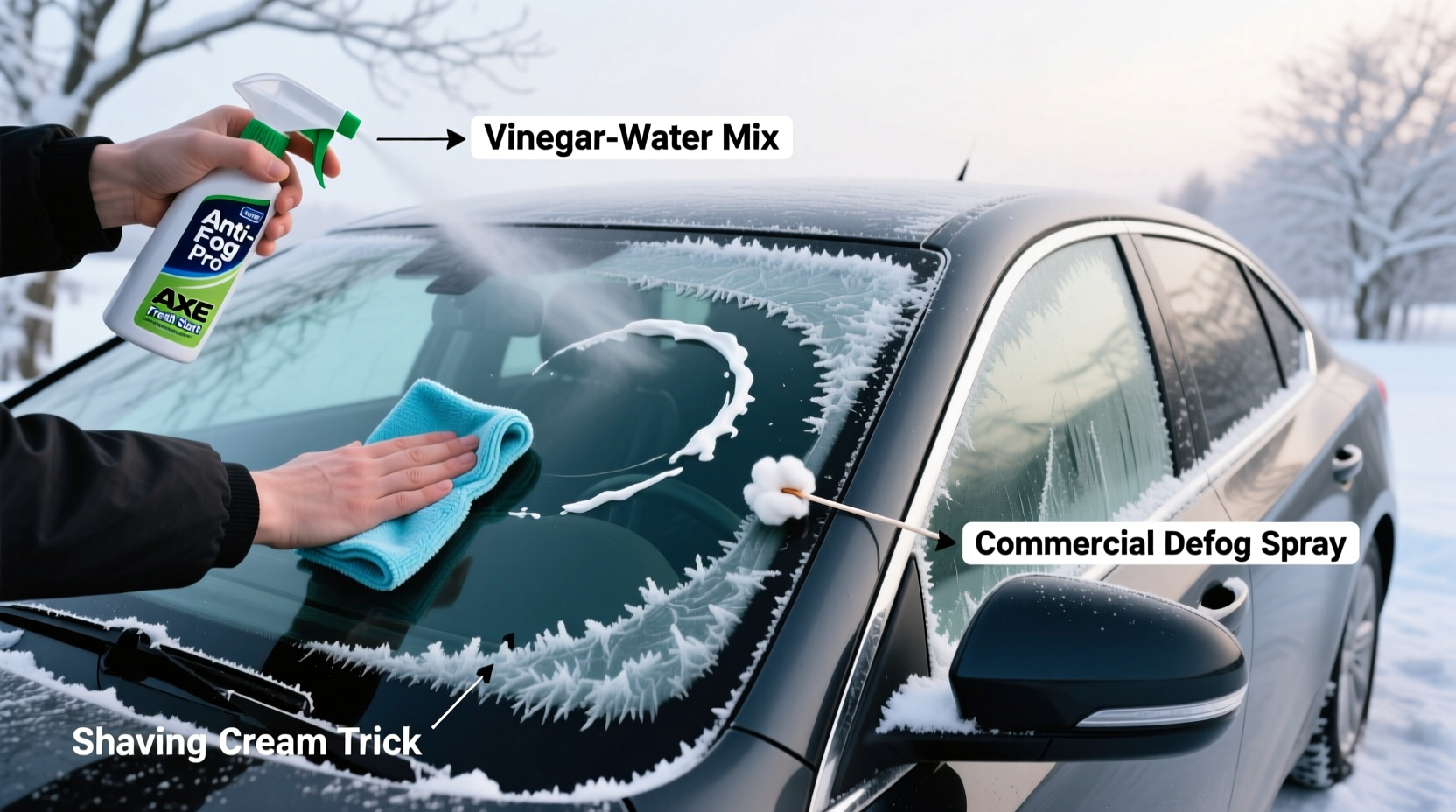
Fog forms when warm, moist air comes into contact with a colder surface—like your car’s interior glass. In winter, the outside temperature chills the windshield, while residual heat and humidity from passengers, breath, wet clothing, or snow tracked inside create a perfect environment for condensation. The result? A dense layer of fog coating the inside of your windows.
Most people assume turning on the heater solves this instantly, but it often makes things worse at first by blowing warm, humid air directly onto cold glass. It takes time for the heater to warm the glass enough to prevent condensation and for the AC (if engaged) to dehumidify the cabin. Until then, you’re left waiting—or driving blind.
To defog effectively without relying on the heater, you need to either reduce interior humidity, raise the glass temperature, or alter the surface tension of the glass so water droplets don’t form. Each approach has its strengths, and combining them yields the fastest results.
Immediate Actions to Defog Windows Without Heat
You don’t need a functioning heater to clear fog fast. With the right tools and quick thinking, you can restore visibility within 60 seconds using simple physical actions and household items.
- Crack the windows slightly – This allows humid interior air to escape and drier, colder outside air to enter. Since cold air holds less moisture, this equalizes humidity levels and reduces fog formation almost immediately.
- Use a microfiber cloth or squeegee – Physically wiping the glass removes condensed droplets. Keep a dry, lint-free towel in your glove compartment for emergencies. For best results, wipe in circular motions to avoid streaks.
- Turn on the air conditioning (AC) – Even in freezing weather, the AC helps dehumidify the cabin. If your car allows AC operation independently of heat, use it. The compressor pulls moisture from the air, drying it before it hits the glass.
- Direct airflow toward the windshield – Set vents to blow air across the windshield, even if it’s cold. Moving air disrupts the boundary layer where condensation occurs, accelerating evaporation.
- Avoid touching the glass with bare hands – Oils from your skin can create fog-prone spots. Always use a clean cloth instead.
The Science Behind Cold-Air Defogging
While counterintuitive, cold air can be highly effective at clearing fog. When you direct cool, dry air over a fogged surface, it absorbs moisture from the tiny water droplets, causing them to evaporate. This process works faster when airflow is strong and consistent. Modern vehicles often have a “defrost” mode that prioritizes windshield airflow—even without heat—which leverages this principle.
“Cold, dry air is one of the most underrated defogging tools. It doesn’t feel comfortable, but it works fast.” — Dr. Alan Pierce, Atmospheric Scientist, University of Minnesota
DIY Anti-Fog Solutions You Can Make at Home
Prevention is faster than cure. Applying a homemade anti-fog treatment to your windows creates a hydrophilic (water-attracting) layer that spreads moisture into a thin, transparent film instead of beading into fog.
Common Household Recipes
| Solution | Ingredients | Application Method | Effectiveness Duration |
|---|---|---|---|
| Shaving Cream | Non-gel shaving cream (e.g., Barbasol) | Apply thinly with cloth, buff off after 1 minute | 3–5 days |
| Dish Soap Mix | 1 part Dawn dish soap + 4 parts water | Spray and wipe evenly | 1–2 days |
| Vinegar Solution | Equal parts white vinegar and water | Spray and let air dry, then wipe residue | Up to 1 week |
| Commercial Anti-Fog Spray | Purchased product (e.g., Rain-X Anti-Fog) | Follow label instructions | 1–2 weeks |
To apply any of these solutions, clean the glass thoroughly first with glass cleaner to remove oils and grime. Then apply the treatment uniformly and polish until no residue remains. Reapply after heavy rain or washing the car.
Step-by-Step Guide: Clearing Fog in Under 90 Seconds
When you're in a hurry and visibility is near zero, follow this rapid-response protocol:
- Unlock and enter the vehicle – Avoid breathing heavily inside; wait until steps begin.
- Open all doors or windows briefly (5–10 seconds) – Equalize pressure and expel humid air.
- Wipe the windshield with a dry microfiber cloth – Remove initial condensation manually.
- Turn ignition to “ON” (do not start yet) – Power up fans and electronics.
- Set fan to maximum speed, defrost mode, and engage AC – Use cold air to dry the cabin.
- Start the engine – Allow airflow to continue as engine warms.
- Re-wipe if necessary after 30 seconds – By now, airflow should prevent re-fogging.
This method works even in temperatures below 0°F (-18°C). The key is aggressive airflow combined with immediate moisture removal.
Long-Term Prevention Strategies
Relying on emergency fixes every morning isn’t sustainable. To minimize fogging over time, address the root causes: excess moisture and temperature differentials.
- Keep floor mats clean and dry – Rubber or absorbent all-weather mats trap snow and slush. Remove and dry them weekly.
- Use silica gel packs or moisture absorbers – Place reusable dehumidifier bags (like DampRid) under seats or in cup holders.
- Store a spare towel in the car – Designate one for wiping windows and another for drying boots.
- Repair door seals and window gaskets – Leaky seals allow snow and rain inside, raising humidity.
- Apply permanent anti-fog coating – Products like Aquapel or Rain-X Lastics create long-lasting hydrophobic layers.
Mini Case Study: Winter Commuter in Northern Michigan
Sarah, a nurse in Marquette, MI, faced daily fogging issues during her 6 a.m. shift changes. Her 2014 sedan had a slow-heating cabin, and she often drove with fogged windows for the first 10 minutes. After adopting the cold-air defrost method—cracking windows, using AC, and wiping with a microfiber cloth—she cleared her windshield in under two minutes every morning. She also placed two large silica gel containers under the front seats, which reduced baseline humidity. Over three months, she reported zero fog-related delays and improved confidence in early-morning driving.
Checklist: No-Heat Defogging Preparedness
Ensure your vehicle is ready for winter fog with this essential checklist:
- ✅ Keep a high-quality microfiber cloth in the console
- ✅ Stock a small squeegee or scraper with a soft edge
- ✅ Pre-treat windows with anti-fog solution monthly
- ✅ Install reusable moisture absorber packs
- ✅ Confirm AC system functions even in winter
- ✅ Clean interior glass monthly to remove film buildup
- ✅ Store extra floor mats to swap when wet
FAQ
Can I use hand sanitizer to defog windows?
Yes, in a pinch. Hand sanitizer contains alcohol and glycerin, which can temporarily disrupt fog formation. Apply a small amount to a cloth and wipe the glass, then buff dry. However, frequent use may leave residue or degrade certain coatings.
Why does my windshield fog up only on the inside?
Interior fogging occurs because warm, moist air inside the car meets the cold glass surface. Outside fog usually happens when the exterior glass is warmer than the air (like during spring fog), which is rare in freezing weather.
Is it safe to pour warm water on frozen windows?
No. Sudden temperature changes can crack tempered glass. Never use hot or boiling water. If you must use liquid, opt for a commercial de-icer or a DIY mix of isopropyl alcohol and water (2:1 ratio).
Conclusion
Defogging car windows in freezing weather doesn’t require a working heater or advanced technology. By understanding the physics of condensation and applying smart, immediate actions, you can clear your view in under two minutes—every single time. Combine quick wipes, strategic airflow, and preventive treatments to stay safe and efficient all winter long.
Don’t wait for another foggy morning to catch you off guard. Prepare your car today with the right tools and knowledge. Share these tips with friends and family who brave winter roads—they might just avoid a dangerous situation because of it.




 浙公网安备
33010002000092号
浙公网安备
33010002000092号 浙B2-20120091-4
Comments
No comments yet. Why don't you start the discussion?