
Testosterone is a vital hormone for men, influencing everything from muscle mass and energy levels to mood and sexual function. As men age, testosterone naturally declines—typically beginning in the late 30s. However, when levels drop too low, it can significantly impact quality of life. Recognizing the signs early and understanding the proper diagnostic process are crucial steps toward effective treatment. This guide outlines the most common symptoms, explains how doctors confirm low testosterone, and provides actionable insight for those concerned about their hormonal health.
Understanding Low Testosterone: What It Is and Who’s at Risk
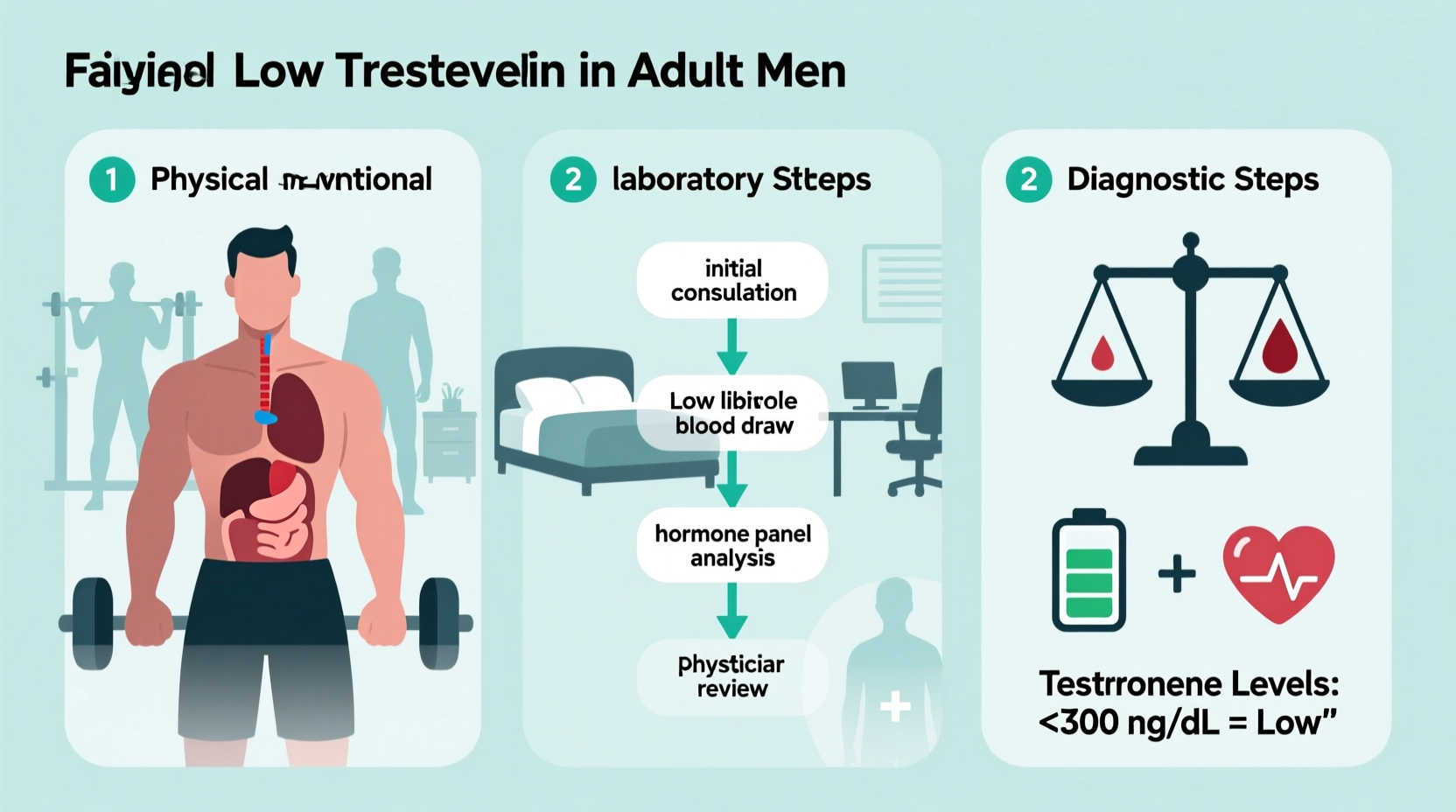
Low testosterone, also known as hypogonadism, occurs when the body doesn’t produce enough testosterone to meet its needs. While aging is the most common cause, other factors such as obesity, type 2 diabetes, chronic illness, certain medications, and genetic conditions can accelerate the decline.
According to the Endocrine Society, approximately 40% of men over the age of 45 have low testosterone. Despite its prevalence, many cases go undiagnosed due to vague or gradual symptoms that are often mistaken for normal aging.
“Many men assume fatigue, low libido, and mood changes are just part of getting older—but they could be signs of a treatable hormonal imbalance.” — Dr. Alan Kapoor, Endocrinologist and Researcher in Male Hormonal Health
Key Signs and Symptoms of Low Testosterone
Symptoms of low testosterone develop slowly and may be subtle at first. Because they overlap with other conditions, recognizing patterns is essential. The most common signs fall into several categories:
- Sexual Health Changes: Reduced sex drive (libido), erectile dysfunction, lower semen volume.
- Physical Changes: Decreased muscle mass, increased body fat (especially around the abdomen), reduced bone density, gynecomastia (enlarged breast tissue).
- Energy and Sleep: Persistent fatigue, insomnia, or disrupted sleep patterns including sleep apnea.
- Mood and Cognitive Function: Irritability, depression, difficulty concentrating, memory lapses.
- Other Indicators: Loss of body hair, hot flashes, and decreased motivation or self-confidence.
Step-by-Step Diagnosis Process
Confirming low testosterone isn’t based on symptoms alone. A structured medical evaluation is required to rule out other conditions and accurately assess hormone levels.
- Initial Consultation: A healthcare provider will review your medical history, lifestyle habits, and symptom timeline. Be honest about alcohol use, medications, stress levels, and sleep quality.
- Physical Examination: The doctor checks for physical signs like reduced body hair, testicular size, body composition, and blood pressure.
- Blood Testing: This is the cornerstone of diagnosis. Total testosterone levels are measured through a morning blood draw (ideally before 10 a.m.), when levels peak. Two separate tests on different days are usually required for confirmation.
- Additional Lab Work: To identify underlying causes, your doctor may order tests for LH, FSH, prolactin, thyroid function, and hemoglobin. These help distinguish between primary (testicular) and secondary (pituitary/hypothalamus) hypogonadism.
- Referral if Needed: If results are unclear or complex, you may be referred to an endocrinologist for specialized assessment.
| Test Type | Purpose | Normal Range (Typical) |
|---|---|---|
| Total Testosterone | Main hormone level assessment | 300–1,000 ng/dL |
| LH (Luteinizing Hormone) | Determine source of deficiency | 1.7–8.6 mIU/mL |
| FSH (Follicle-Stimulating Hormone) | Evaluate reproductive axis | 1.5–12.4 mIU/mL |
| Prolactin | Rule out pituitary tumors | 2–18 ng/mL |
| Hemoglobin | Baseline check before considering therapy | 13.8–17.2 g/dL |
Common Misconceptions and Diagnostic Pitfalls
Many men seek quick fixes or rely on unreliable sources when suspecting low testosterone. Avoid these common errors:
- Relying on At-Home Tests: While convenient, finger-prick kits may lack accuracy and don’t replace clinical evaluation.
- Assuming All Fatigue Is Hormonal: Anemia, sleep apnea, depression, and thyroid issues mimic low T symptoms.
- Requesting TRT Without Testing: Starting testosterone replacement therapy (TRT) without confirmation can mask underlying conditions and carry risks.
- Ignoring Lifestyle Factors: Poor sleep, high stress, and sedentary habits can suppress testosterone temporarily—address these first.
Real-Life Example: Mark’s Journey to Diagnosis
Mark, a 48-year-old project manager, began noticing he was tired all the time—even after eight hours of sleep. He gained 15 pounds over 18 months despite no major diet changes, felt less interested in sex, and became easily frustrated at work. His wife suggested he see a doctor.
At his appointment, Mark described his symptoms in detail. His physician ordered a morning blood test, which showed a total testosterone level of 240 ng/dL. A second test confirmed the result. Further labs revealed slightly elevated prolactin, prompting an MRI that ruled out a pituitary tumor. With no contraindications, Mark started a monitored TRT program and combined it with strength training and dietary improvements. Within three months, his energy returned, mood stabilized, and body composition improved.
His case highlights the importance of comprehensive testing and treating the whole person—not just the number on a lab report.
What to Do If You Suspect Low Testosterone: A Checklist
- Monitor and document symptoms for at least two weeks.
- Schedule an appointment with a primary care physician or urologist.
- Prepare to discuss medical history, medications, and lifestyle habits.
- Have blood drawn in the morning (before 10 a.m.) for accurate testosterone measurement.
- Follow up for repeat testing if initial levels are low.
- Discuss treatment options only after a confirmed diagnosis.
- Consider lifestyle modifications alongside medical therapy.
Frequently Asked Questions
Can low testosterone be reversed naturally?
In some cases, yes. Weight loss, regular exercise (especially resistance training), better sleep hygiene, stress reduction, and limiting alcohol can boost testosterone levels—particularly in men with mild deficiencies linked to lifestyle factors.
Is testosterone replacement therapy safe?
For appropriately diagnosed patients under medical supervision, TRT is generally safe. However, it may increase red blood cell count, affect fertility, and worsen untreated sleep apnea. Regular monitoring is essential.
Do women need to worry about low testosterone too?
Yes, though less commonly discussed, women also produce testosterone in smaller amounts. Low levels can contribute to fatigue, low libido, and mood changes, especially after menopause or surgical removal of the ovaries.
Take Control of Your Hormonal Health
Recognizing the signs of low testosterone is the first step toward reclaiming energy, vitality, and well-being. Symptoms like persistent fatigue, declining sexual health, and unexplained weight gain should not be dismissed as inevitable parts of aging. With a clear understanding of the diagnostic process—and the courage to seek medical advice—you can determine whether low testosterone is affecting your life.
If you’re experiencing multiple symptoms, don’t wait. Schedule a consultation, get properly tested, and explore evidence-based solutions. Hormonal balance is not a luxury—it’s a foundation of long-term health.




 浙公网安备
33010002000092号
浙公网安备
33010002000092号 浙B2-20120091-4
Comments
No comments yet. Why don't you start the discussion?