
Selecting the right essential oil blend for your diffuser isn’t just about scent preference—it’s a deliberate practice that affects your mental clarity, emotional balance, and physical wellness. With hundreds of oils and combinations on the market, choosing one that aligns with your goals requires knowledge, intention, and a bit of sensory awareness. Whether you're diffusing to reduce stress, boost focus, or purify the air, understanding how to match the right blend to your needs transforms aromatherapy from a casual habit into a powerful daily ritual.
Understand Your Purpose Before You Pour
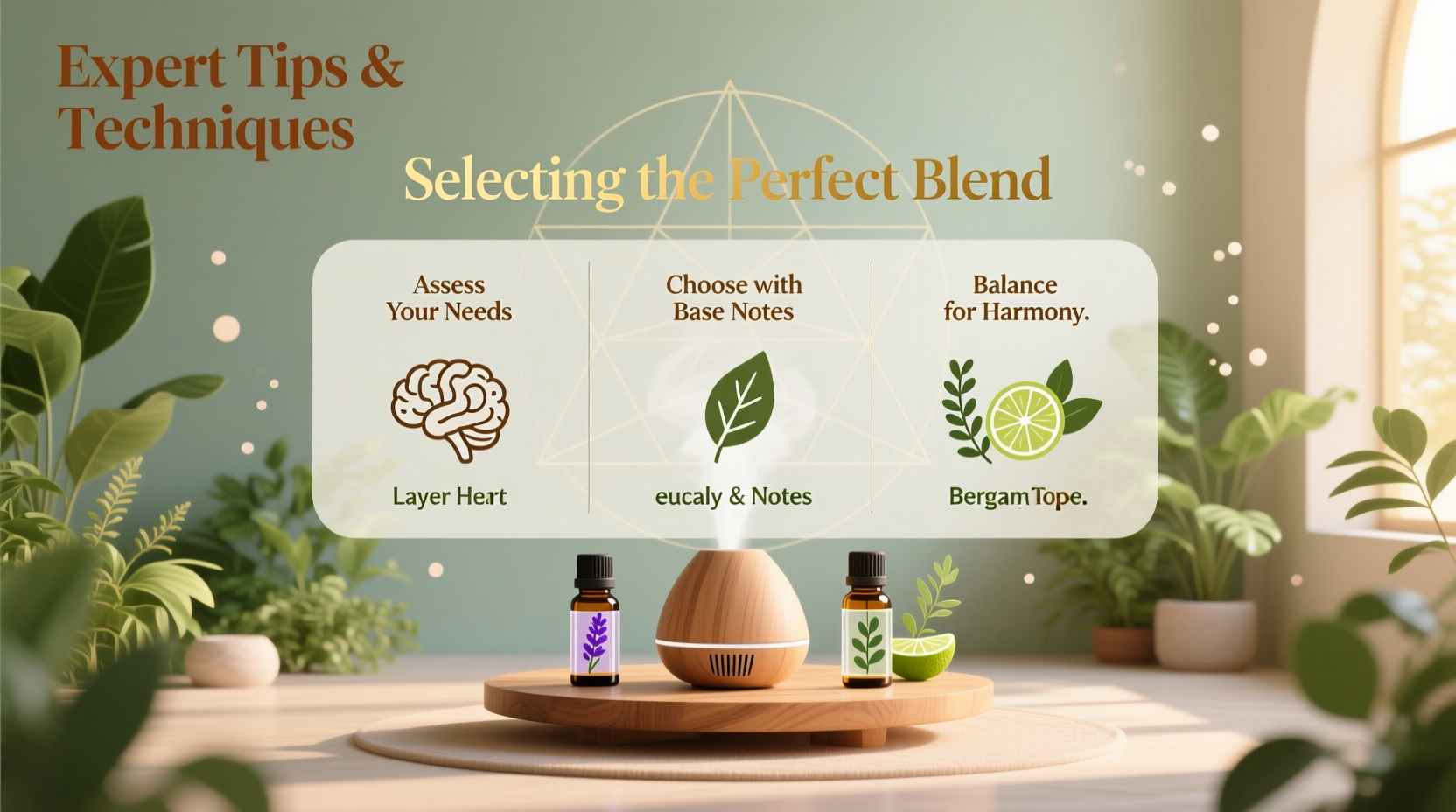
The first step in selecting an effective essential oil blend is identifying your desired outcome. Essential oils are not interchangeable; each has unique chemical constituents that influence their effects on the body and mind. For example, lavender is widely studied for its calming properties, while rosemary is known to support mental alertness. Start by asking: What do I want this diffusion session to achieve?
- Relaxation and Sleep: Look for blends containing lavender, chamomile, or cedarwood.
- Energy and Focus: Citrus oils like grapefruit, lemon, and bergamot stimulate the nervous system.
- Respiratory Support: Eucalyptus, tea tree, and peppermint help open airways and cleanse the environment.
- Mood Enhancement: Floral scents such as ylang-ylang or geranium can elevate spirits and ease tension.
Know the Quality Markers of Authentic Oils
Not all essential oils are created equal. A high-quality blend starts with pure, therapeutic-grade components. Adulterated or synthetic oils may smell pleasant but lack efficacy and could even cause irritation when diffused. To ensure authenticity, check the label for:
- Botanical names (e.g., *Lavandula angustifolia*, not just “lavender”)
- Country of origin
- Extraction method (steam distillation, cold pressing)
- No added carriers or artificial fragrances
“Only pure, unadulterated essential oils deliver consistent therapeutic benefits. If the price seems too good to be true, it probably isn’t real.” — Dr. Rebecca Nguyen, Clinical Aromatherapist
Avoid brands that use vague terms like “fragrance oil” or “perfume blend” unless explicitly labeled as non-therapeutic. These are often petroleum-based and unsuitable for aromatherapy.
Step-by-Step Guide: Building Your Ideal Diffusion Routine
Follow this five-step process to confidently choose and use your next essential oil blend:
- Define Your Goal: Are you winding down after work or preparing for a productive morning?
- Choose Complementary Oils: Pair 2–4 oils that share similar therapeutic properties. For instance, combine bergamot (uplifting) with frankincense (grounding) for balanced energy.
- Test the Scent Profile: Smell the bottle before diffusing. Does it evoke calm? Alertness? Discomfort? Trust your instincts.
- Start Low, Then Adjust: Begin with 3–5 drops in your diffuser. You can always add more, but you can’t remove excess once dispersed.
- Observe and Reflect: After 15–20 minutes, assess your mood, breathing, and focus. Note results in a journal.
Do’s and Don’ts When Choosing Blends
| Do’s | Don’ts |
|---|---|
| Do research the safety profile of oils if pregnant or managing health conditions. | Don’t assume “natural” means safe—some oils are potent and require caution. |
| Do store oils in dark glass bottles away from sunlight and heat. | Don’t leave diffusers running continuously—limit sessions to 30–60 minutes at a time. |
| Do clean your diffuser weekly to prevent clogs and oil buildup. | Don’t mix incompatible oils—avoid combining strong mints with delicate florals unless intentionally blending. |
Real-Life Example: Transforming Evening Routines with Intentional Blending
Sarah, a project manager in Seattle, struggled with insomnia due to late-night work stress. She used a generic “calm” blend she bought online, but found it ineffective. After consulting an aromatherapist, she learned her blend contained mostly synthetic fillers. She switched to a DIY combination of 3 drops lavender, 2 drops vetiver, and 1 drop Roman chamomile. Within a week of diffusing 30 minutes before bed, she reported falling asleep faster and waking less during the night. The key wasn't just the oils—but knowing why she chose them and using them consistently.
Build Confidence with a Selection Checklist
Before purchasing or using any essential oil blend, run through this checklist to ensure suitability and quality:
- ✅ Is the primary purpose clearly aligned with my current need (sleep, energy, immunity)?
- ✅ Are all ingredients listed with botanical names and origins?
- ✅ Has the product been third-party tested or certified by a reputable body (e.g., ISO, NAHA)?
- ✅ Does the scent feel harmonious—not overpowering or chemically?
- ✅ Is the packaging UV-protected and properly sealed?
- ✅ Am I aware of any contraindications (e.g., pets in the home, asthma, pregnancy)?
Frequently Asked Questions
Can I mix different pre-made blends in my diffuser?
While possible, mixing commercial blends can lead to unbalanced or clashing aromas. It's better to use single oils or create your own custom blend from individual components so you control the ratios and synergy.
How long should I diffuse essential oils at a time?
Limit diffusion to 30–60 minutes per session, followed by a break of at least 60 minutes. Continuous exposure can lead to olfactory fatigue or sensitization, especially in enclosed spaces.
Are some essential oils unsafe around pets?
Yes. Oils like tea tree, eucalyptus, citrus, and peppermint can be toxic to cats and birds due to their sensitive respiratory systems. Always research pet-safe options and consult your veterinarian before diffusing in shared environments.
Final Thoughts: Make Every Drop Count
Selecting the perfect essential oil blend is both an art and a science. It demands attention to detail, respect for natural potency, and alignment with personal wellness goals. By grounding your choices in purpose, prioritizing purity, and testing responses mindfully, you turn simple diffusion into a form of self-care that resonates deeply. Don’t rush the process—let your intuition and experience guide you toward blends that don’t just smell good, but truly serve you.




 浙公网安备
33010002000092号
浙公网安备
33010002000092号 浙B2-20120091-4
Comments
No comments yet. Why don't you start the discussion?