
Rabbits are intelligent, social animals capable of remarkable behaviors when given the right environment and training. One of the most practical and rewarding skills you can teach your pet rabbit is consistent litter box use. Unlike cats, rabbits don’t instinctively bury waste in the same way, but they do have natural tendencies to designate specific areas for elimination. With observation, structure, and gentle reinforcement, nearly any rabbit can be trained to use a litter box reliably. The key lies not in speed, but in patience and consistency.
Successful litter training transforms life for both rabbit and owner. It reduces cleaning time, minimizes odors, and allows for greater freedom of movement around the home. More importantly, it strengthens the bond between you and your pet by building trust through routine and positive interaction.
Understanding Rabbit Behavior and Elimination Habits
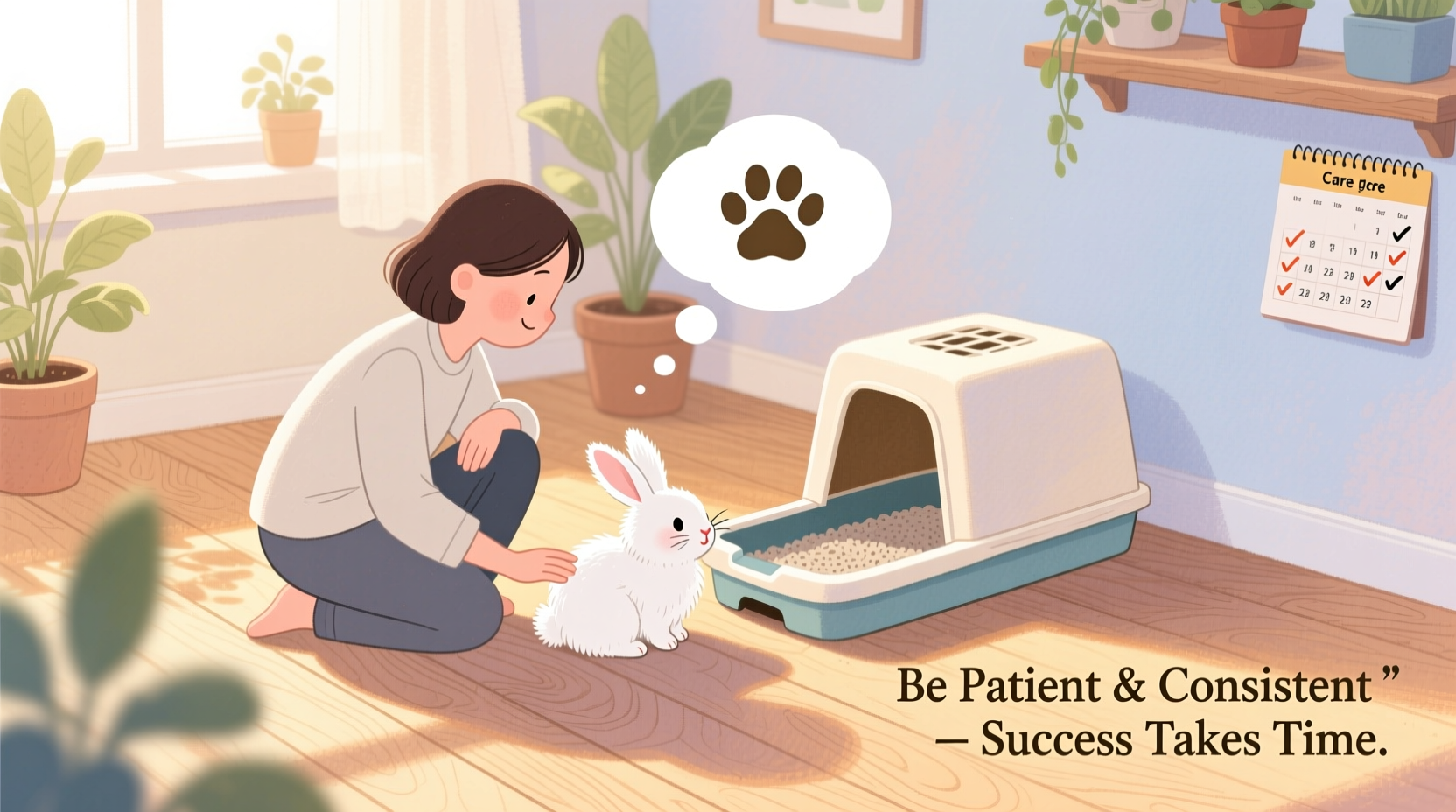
Rabbits are creatures of habit. In the wild, they often use specific corners of their burrows for urination and defecation, helping to keep nesting areas clean. This instinct carries over into domestic life, making litter training more intuitive than one might expect. However, rabbits also mark territory with scent glands under their chin and may leave droppings as a form of communication—especially during adolescence or when introducing new environments.
Spaying or neutering plays a crucial role in successful litter training. Unaltered rabbits are far more likely to spray urine or scatter droppings due to hormonal drives. According to the House Rabbit Society, spaying or neutering improves litter habits in over 85% of cases. The procedure not only curbs territorial behavior but also prevents reproductive cancers and extends lifespan.
“Rabbits are naturally clean animals. When provided with a stable routine and a secure space, they will consistently choose the same spot to go to the bathroom.” — Dr. Lauren Ford, Exotic Veterinarian and Author of *Small Mammal Behavioral Health*
It’s also important to recognize that rabbits produce two types of droppings: regular fecal pellets and cecotropes. Cecotropes are soft, nutrient-rich clusters typically eaten directly from the anus—a process called coprophagy, essential for digestive health. While you won’t see many cecotropes in the litter box (because they’re consumed), undigested ones on the floor may indicate dietary imbalance or illness.
Step-by-Step Guide to Litter Training Your Rabbit
Litter training isn't about forcing behavior—it's about guiding your rabbit’s natural inclinations into a structured system. Follow this timeline for best results:
- Prepare the Space (Day 1–3): Choose a quiet, low-traffic area for your rabbit’s enclosure. Use a large pen or rabbit-safe room sectioned off with barriers. Place a litter box in the corner where your rabbit naturally eliminates—observe for 24 hours if unsure.
- Select the Right Litter Box and Material (Day 2): Use a low-entry, high-sided plastic tray (like a cat litter box with one side cut down). Fill it with paper-based or aspen shavings litter—never clay, clumping, or pine/cedar, which release harmful phenols.
- Add Familiar Scent (Day 3): Transfer soiled bedding and several of your rabbit’s droppings into the box. This signals “this is the place.” Avoid cleaning the area around the box during early stages unless necessary.
- Confine and Observe (Days 4–10): Keep your rabbit in the training space. Each time you see them begin to eliminate outside the box, gently interrupt and place them inside it. Reward immediately after they finish using it correctly—offer a small treat like a pea or parsley leaf.
- Expand Gradually (Week 3+): Once your rabbit uses the box consistently for five consecutive days, allow access to a slightly larger area. Add a second litter box temporarily in the new zone. Remove it only once they adapt.
- Maintain Routine (Ongoing): Clean the litter box daily by removing soiled material and replacing it. Perform a full clean weekly using mild vinegar solution. Never use ammonia-based cleaners, which mimic urine scent and encourage re-marking.
Common Challenges and How to Overcome Them
Even with careful planning, setbacks occur. Understanding common issues helps prevent frustration and regression.
- Spraying urine on vertical surfaces: Typical in unneutered males (and some females). Neutering usually resolves this within weeks. In the meantime, block access to preferred spots and clean thoroughly with enzymatic cleaner.
- Dropping pellets along pathways: Often seen during exploration or excitement (“happy binkies”). This is normal and not a training failure. Simply sweep regularly and accept minor mess as part of rabbit ownership.
- Refusing the box after moving rooms: Rabbits are sensitive to environmental changes. Reintroduce training slowly in the new space, using familiar bedding and maintaining the same litter type.
- Eating litter: May happen with young or curious rabbits. Switch to safer options like compressed paper pellets and ensure unlimited hay is available to discourage chewing non-food items.
| Challenge | Possible Cause | Solution |
|---|---|---|
| Urinating outside box | Hormonal, medical issue, or dirty box | Neuter, vet check, clean daily |
| Kicking litter out | Natural digging instinct | Use deeper box, place on mat |
| Defecating near food bowl | Normal eating-pooping link | Place small tray under feeding area |
| Sudden regression | Stress, illness, or change in routine | Reassess environment, consult vet |
Real Example: Training Luna, a 6-Month-Old Dwarf Rabbit
Luna, a female Netherland Dwarf, was adopted at six months old. Her new owner, Mark, noticed she consistently peed in the back left corner of her pen but scattered droppings throughout the play area. After consulting a rabbit-savvy vet, he decided to neuter her, knowing hormones could hinder progress.
Post-surgery, Mark placed a large, low-entry litter box in Luna’s favored corner, filled it with Carefresh Ultra and added a handful of soiled paper bedding. He placed a small hay rack just above the box, encouraging her to eat while sitting inside. For the first week, whenever Luna began to go outside the box, Mark quietly lifted her and placed her in it—no scolding, only repetition.
Within ten days, Luna used the box for urine every time. Fecal pellets were slower; she still dropped them while hopping. Mark accepted this as normal and simply swept daily. By week four, she used the box for nearly all eliminations and even started nudging stray pellets toward it—an unexpected sign of cognitive engagement.
The turning point came when Mark expanded her space. He added a second litter box in the living room, placed near her favorite tunnel. After three days of dual-box use, he removed the original. Luna adapted seamlessly, now using the living room box exclusively. Today, she has free roam from 7 PM to 9 AM with minimal cleanup required.
Essential Supplies Checklist
Having the right tools makes training smoother and more effective. Here’s what you’ll need before starting:
- ✔ One or more large, low-entry litter boxes (at least 16” x 12”)
- ✔ Paper-based or aspen shavings litter (avoid toxic materials)
- ✔ Hay rack or feeder (to encourage eating over the box)
- ✔ High-quality grass hay (timothy, orchard, or meadow)
- ✔ Small treats for positive reinforcement (e.g., carrot slice, basil)
- ✔ Enzymatic cleaner for accidents (never ammonia-based)
- ✔ Non-slip mat to place under the box (catches kicked litter)
- ✔ Patience journal (optional, but helpful to track progress and patterns)
Frequently Asked Questions
Can older rabbits be litter trained?
Yes. Age is rarely a barrier to learning. Older rabbits may take longer due to established habits, but with consistent routines and a calm environment, even seniors can adapt. Focus on comfort—use boxes with lower sides and place them near resting areas.
How long does litter training usually take?
Most rabbits show improvement within 1–2 weeks. Full reliability often takes 3–6 weeks, depending on age, health, and whether they’ve been spayed/neutered. Some rabbits master it in days; others require months of reinforcement. Consistency matters more than speed.
Is it normal for my rabbit to eat in the litter box?
Very normal—and actually beneficial. Rabbits often eliminate while eating. Placing hay directly in or above the litter box encourages them to spend time there, reinforcing the desired behavior. Just ensure the hay stays clean and dry.
Final Thoughts: Building Trust Through Routine
Litter training a rabbit is less about teaching a trick and more about aligning with their instincts. Every successful use of the box is a small victory built on observation, empathy, and repetition. There will be accidents, moments of doubt, and days when progress seems reversed. But each time you calmly reset, clean without anger, and gently guide your rabbit back, you reinforce a relationship rooted in safety and understanding.
Remember: rabbits don’t act out of defiance. They respond to environment, biology, and emotion. A clean box, proper diet, and a neutered status do more for litter success than any amount of correction ever could. Celebrate small wins—your rabbit pooping in the box five times in a row? That’s momentum. Build on it.
With time, you’ll find that litter training becomes invisible—a seamless part of daily life. And in its place emerges something greater: a companion who moves freely through your home, trusted and trusted in return.




 浙公网安备
33010002000092号
浙公网安备
33010002000092号 浙B2-20120091-4
Comments
No comments yet. Why don't you start the discussion?