
Wearing the same pair of shoes every day might seem like a harmless habit—especially if they’re comfortable or part of a uniform. But over time, this routine can lead to more than just worn-out soles. From bacterial buildup to foot strain, repeating the same footwear daily affects not only the lifespan of your shoes but also your long-term foot health. Understanding the consequences and learning how to rotate and care for your footwear can make a significant difference in both comfort and well-being.
The Hidden Risks of Daily Shoe Repetition
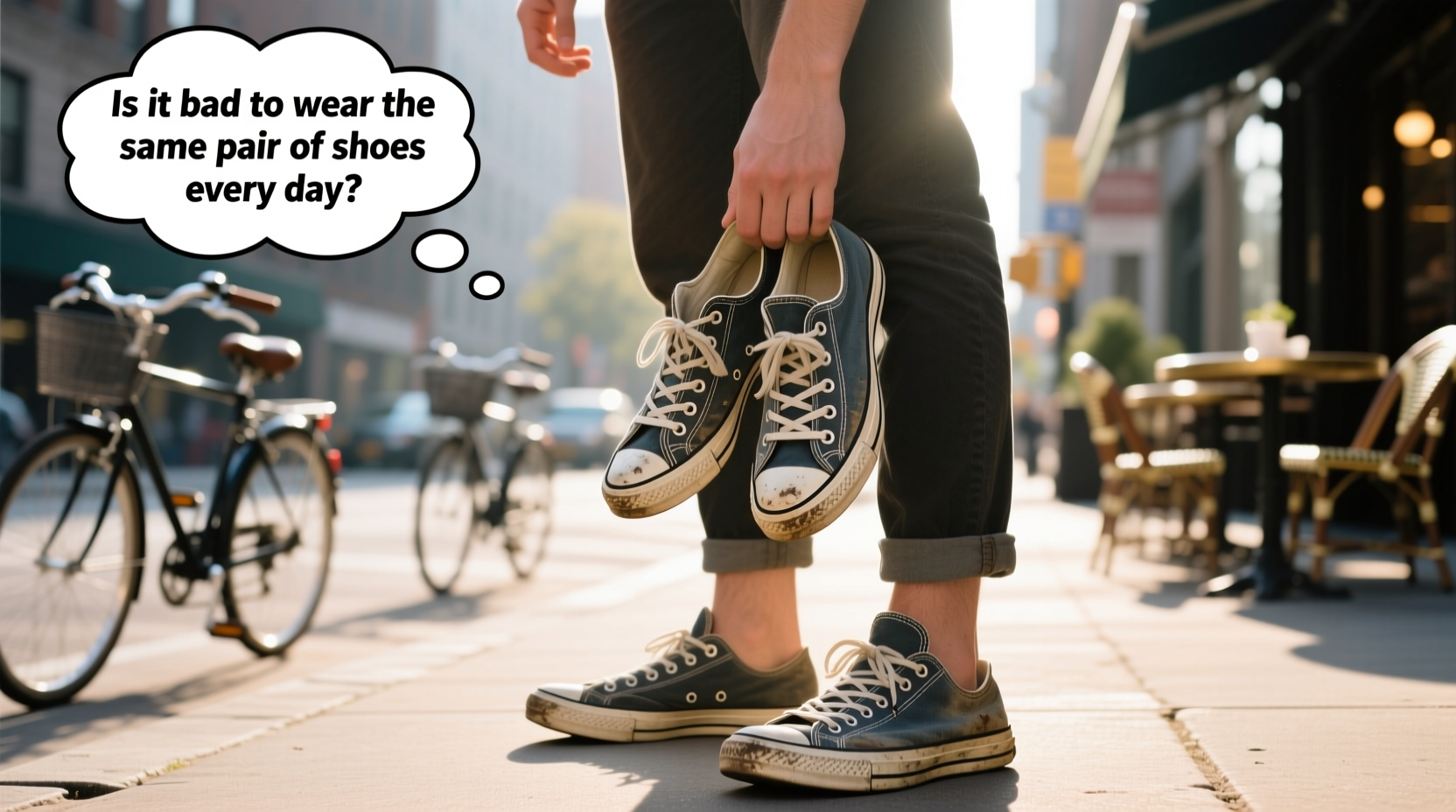
Shoes are designed to absorb impact, support movement, and shield your feet from external elements. However, they also trap moisture, heat, and bacteria with each use. When you wear the same pair day after day, you deny them time to dry out and recover. This creates a cycle that accelerates material breakdown and increases health risks.
One of the primary concerns is moisture retention. The average foot produces about half a pint of sweat per day. Trapped inside a shoe, especially one made of non-breathable materials, this moisture fosters fungal growth such as athlete’s foot and contributes to unpleasant odors. Even high-performance athletic shoes with moisture-wicking linings need at least 24 hours to fully air out.
Structural fatigue is another issue. Every shoe has cushioning, midsoles, and support components that compress under body weight. Without rest days, these materials don’t rebound properly, leading to reduced shock absorption and compromised arch support. Over time, this can contribute to plantar fasciitis, heel pain, and joint stress.
How Shoe Rotation Extends Footwear Life
Rotating between multiple pairs of shoes isn't just a luxury—it's a practical strategy for preserving both your feet and your footwear. Think of it like rotating tires on a car: consistent use without breaks leads to uneven wear and premature failure.
Different shoes serve different purposes. A running shoe provides cushioning optimized for forward motion, while a dress shoe prioritizes structure over flexibility. Wearing each type according to its intended function reduces mechanical stress. Moreover, alternating pairs allows each shoe time to decompress and dry, maintaining its integrity longer.
Consider this: a quality pair of athletic shoes typically lasts 300–500 miles of use. If worn daily without rotation, that limit may be reached in just four to six months. But by switching between two or three pairs, you effectively double or triple their usable lifespan.
“Failing to rotate footwear is one of the most common reasons people experience early shoe breakdown and recurring foot discomfort.” — Dr. Alan Torres, Podiatrist and Gait Specialist
Do’s and Don’ts of Daily Shoe Use
| Do’s | Don’ts |
|---|---|
| Rotate between at least 2–3 pairs of shoes weekly | Wear the same shoes two days in a row |
| Use cedar shoe trees or breathable inserts to absorb moisture | Store damp shoes in closed closets or plastic bags |
| Alternate shoe types based on activity (e.g., walking vs. standing) | Use running shoes for prolonged standing on hard surfaces |
| Let shoes air out in a well-ventilated area overnight | Place wet shoes near direct heat sources like radiators |
| Clean insoles regularly and replace them every 6 months | Ignore persistent odor or visible mold inside shoes |
A Real-World Example: Office Worker vs. Delivery Driver
Consider two individuals: Maria, an office worker who wears the same supportive sneakers every weekday, and James, a delivery driver who alternates between two pairs of work boots.
Maria walks less than 3,000 steps a day but wears her sneakers continuously. After three months, she notices increased foot fatigue and a lingering smell despite washing her socks daily. Her shoes show no visible damage, but the midsole has compressed unevenly, and the insole retains moisture even overnight.
James, on the other hand, covers over 15,000 steps daily. Yet, because he rotates between two pairs of steel-toed boots and uses moisture-absorbing inserts, his footwear remains functional and odor-free after nearly a year. He reports fewer foot aches and hasn’t needed new boots in 14 months—well beyond the average 9-month replacement cycle for his peers.
This contrast highlights that usage intensity matters, but so does recovery time. Even low-mileage wear demands downtime for proper shoe maintenance.
Step-by-Step Guide to Healthy Shoe Rotation
Adopting a sustainable shoe rotation system doesn’t require owning ten pairs. With just two or three well-chosen options, you can significantly improve foot health and extend shoe life. Follow this five-step plan:
- Assess Your Weekly Activities: Identify the main types of movement you do—walking, standing, running, or formal events. Match each activity with a suitable shoe type.
- Select 2–3 Core Pairs: Choose one pair for active days (e.g., athletic shoes), one for professional settings (e.g., loafers or oxfords), and optionally a third for casual or transitional wear.
- Create a Wear Schedule: Plan which shoes go on which days. For example:
- Monday – Athletic shoes
- Tuesday – Dress shoes
- Wednesday – Athletic shoes (now fully dried)
- Thursday – Casual sneakers
- Implement Drying Practices: After each use, remove insoles if possible, loosen laces, and place shoes in a ventilated area. Consider using silica gel packs or reusable shoe dryers in humid climates.
- Monitor Wear Patterns: Check soles monthly for uneven wear. Replace shoes when tread depth drops below 1/8 inch or when cushioning feels flat, regardless of appearance.
Health Impacts Beyond Footwear Durability
The effects of wearing the same shoes daily extend into musculoskeletal health. Feet adapt to the internal shape of a shoe over time, especially if it lacks proper support. Repeating the same misaligned posture—such as excessive inward rolling (overpronation)—can lead to compensatory changes up the kinetic chain, affecting ankles, knees, hips, and lower back.
Fungal infections thrive in warm, moist environments. Shoes worn consecutively create ideal breeding grounds for organisms like Trichophyton rubrum, the fungus responsible for athlete’s foot. Symptoms include itching, scaling, and cracked skin between toes. In severe cases, secondary bacterial infections can develop.
Odor isn’t just a social inconvenience—it’s a warning sign. Persistent shoe smell often indicates microbial colonization. While deodorizing sprays offer temporary relief, they don’t address the root cause: inadequate drying and poor ventilation.
“Patients who rotate their footwear report fewer foot complaints and slower progression of biomechanical issues.” — Dr. Lena Patel, Sports Medicine Physician
Checklist: Building a Sustainable Shoe Routine
- ✅ Own at least two pairs of everyday shoes for rotation
- ✅ Allow 24 hours of rest between uses for each pair
- ✅ Remove insoles nightly to speed drying
- ✅ Store shoes in open-air areas, not sealed containers
- ✅ Use moisture-wicking, breathable socks (cotton blends or merino wool)
- ✅ Inspect soles and cushioning every 4–6 weeks
- ✅ Replace insoles every 6 months or when flattened
- ✅ Clean exterior and interior of shoes monthly
- ✅ Avoid machine-washing unless manufacturer-approved
- ✅ Track mileage or wear duration for athletic shoes
Frequently Asked Questions
Can wearing the same shoes every day cause plantar fasciitis?
Yes. Repeated use of worn or unsupportive shoes reduces shock absorption and destabilizes the arch, increasing strain on the plantar fascia ligament. Over time, this repetitive stress can trigger inflammation and pain associated with plantar fasciitis.
How many pairs of shoes should I own for healthy rotation?
At minimum, two pairs are sufficient for effective rotation—one for active use and one for formal or alternate-day wear. Three or more pairs allow greater flexibility, especially for those with physically demanding jobs or varied weekly routines.
Is it okay to wear the same style every day if I have multiple identical pairs?
Only if you treat them as separate units in a rotation. Two identical sneakers count as two distinct pairs. As long as you alternate them with at least 24 hours of drying time in between, you maintain the benefits of rotation. However, ensure they aren’t all used interchangeably without rest periods.
Conclusion: Small Changes, Lasting Benefits
Wearing the same pair of shoes every day may seem convenient, but the long-term costs outweigh the short-term ease. From deteriorating cushioning to increased risk of infection and discomfort, the practice undermines both foot health and footwear investment. By simply rotating between two or three pairs and allowing adequate drying time, you preserve shoe structure, reduce odor, and support better biomechanics.
Your feet carry you through life—one step at a time. Treat them with care by giving your shoes the rest they need. Start today: pull out a second pair from the back of your closet, set a simple rotation schedule, and notice the difference in comfort and longevity. Small habits build lasting wellness.




 浙公网安备
33010002000092号
浙公网安备
33010002000092号 浙B2-20120091-4
Comments
No comments yet. Why don't you start the discussion?