
In recent years, fans of classic fighting games have noticed a subtle but significant shift in how certain titles from the Marvel vs. Capcom series are being presented. Once boldly branded as part of one of gaming’s most explosive crossover franchises, entries like Marvel vs. Capcom: Clash of Super Heroes and Marvel vs. Capcom 2: New Age of Heroes are now appearing under curated collections labeled “Arcade Classics.” This repositioning isn’t just a marketing tweak—it reflects broader changes in licensing, nostalgia culture, and how legacy games are preserved in the digital age.
The term “Arcade Classics” carries weight. It signals reverence for the golden era of coin-operated cabinets, pixel art, and quarter-munching gameplay. But when applied to a franchise as modern and multimedia-driven as Marvel vs. Capcom, it raises questions: Why the shift? What does this mean for fans? And is this a sign that these games are being retired rather than celebrated?
The Evolution of a Franchise
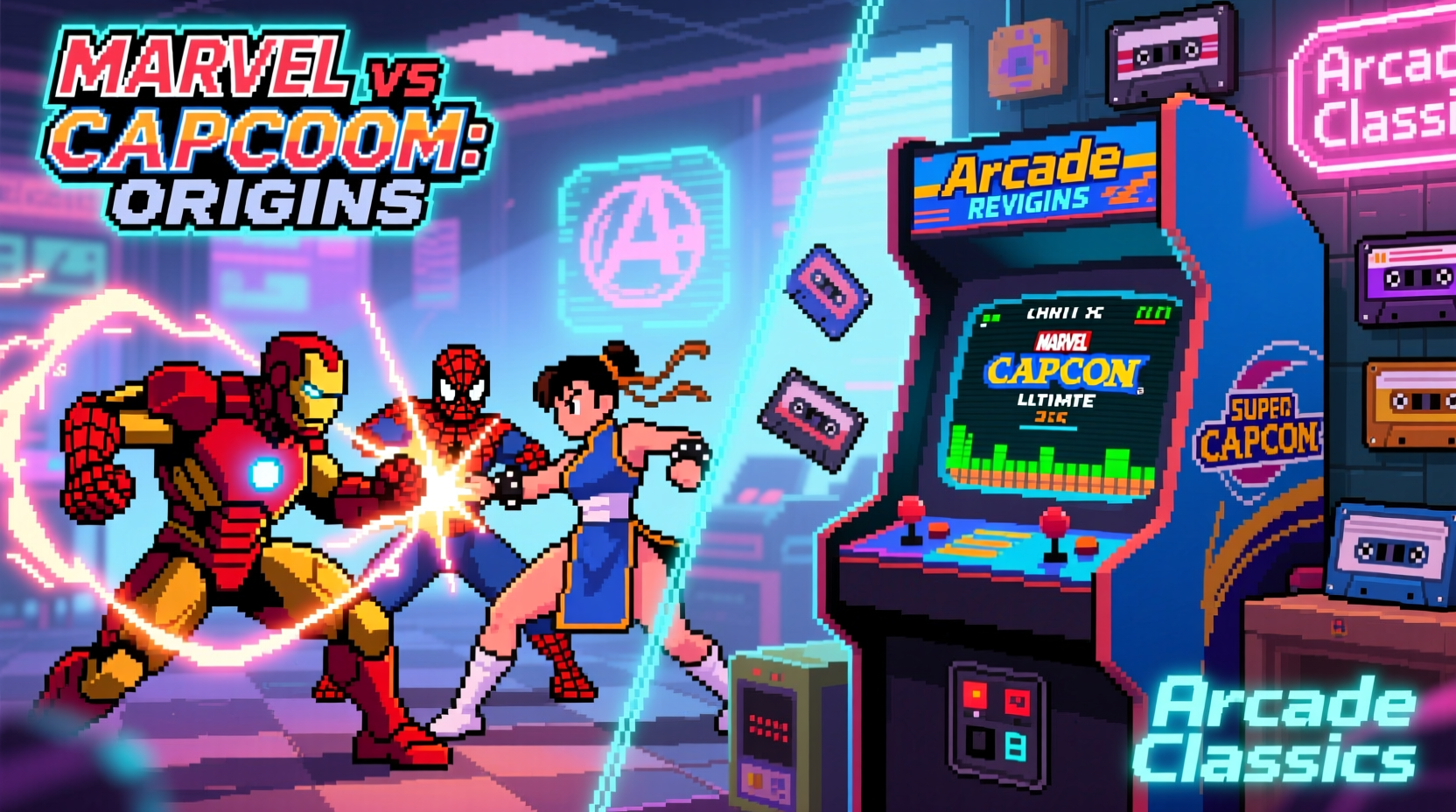
Marvel vs. Capcom began in the late 1990s as an extension of the earlier X-Men vs. Street Fighter and Marvel Super Heroes vs. Street Fighter titles developed by Capcom. These were not just fighting games—they were pop culture events. Bringing together characters from two of the most iconic entertainment universes was revolutionary at the time, especially with the flashy tag-team mechanics and over-the-top special moves that defined the series.
By the early 2000s, Marvel vs. Capcom 2 had become a staple in arcades and competitive play. Its vibrant roster of 56 characters, jazz-infused soundtrack, and deep combo system earned it a cult following. Yet, despite its acclaim, the series slowed after MvC3: Fate of Two Worlds (2011) and its updated version Ultimate Marvel vs. Capcom 3. No mainline sequel has followed since.
Fast forward to today, and re-releases of these titles—especially on platforms like Xbox Live Arcade, PlayStation Network, and Nintendo Switch Online—are increasingly packaged under umbrella terms like “Capcom Arcade Stadium” or “Arcade Classics.” The branding downplays the Marvel connection, focusing instead on the technical and historical significance of the games themselves.
Licensing and Brand Identity Challenges
One of the primary reasons for the rebranding lies in intellectual property rights. While Capcom owns the game mechanics and development history, Marvel Entertainment controls character likenesses, names, and associated branding. Since Disney acquired Marvel in 2009, oversight of character usage has tightened significantly.
This means that while Capcom can re-release the code and gameplay of MvC2, they cannot freely use the “Marvel vs. Capcom” name or prominently feature characters like Spider-Man or Wolverine in promotional materials without approval and ongoing licensing fees. As a result, referring to these games as “Arcade Classics” sidesteps potential legal friction and reduces dependency on external brand permissions.
As industry analyst Lila Tran noted:
“Legacy games caught in IP crossfires often get repackaged under neutral branding. 'Arcade Classics' is a safe harbor—it honors the gameplay without stepping on trademark toes.” — Lila Tran, Digital Media Strategist
What “Arcade Classics” Really Means
The label “Arcade Classics” serves multiple purposes:
- Historical framing: It positions the game as a piece of video game heritage, akin to Pac-Man or Street Fighter II.
- Technical preservation: Many of these re-releases run on emulated arcade hardware, emphasizing authenticity.
- Market neutrality: It allows publishers to sell the product without relying on current brand synergies.
- Nostalgia appeal: The term evokes a simpler era of gaming, appealing to adult retro enthusiasts.
In practice, calling MvC2 an “Arcade Classic” is both accurate and strategic. The original game debuted in arcades in 2000, used CPS-2-based hardware, and featured gameplay designed for short, intense sessions—the hallmark of the arcade experience. By highlighting this context, Capcom shifts focus from corporate crossovers to craftsmanship and design.
Comparison: Original vs. Rebranded Presentation
| Aspect | Original Release (Early 2000s) | Rebranded Release (2020s) |
|---|---|---|
| Branding | Marvel vs. Capcom 2: New Age of Heroes | Part of \"Capcom Arcade Stadium\" or \"Arcade 1UP\" collections |
| Marketing Focus | Crossover hype, character rosters, comic book synergy | Gameplay fidelity, emulation accuracy, retro challenge |
| Character Usage | Full Marvel/Street Fighter integration with logos | Limited promotional use; no new merchandising tie-ins |
| Availability | Arcades, Dreamcast, PS2, Xbox | Digital storefronts, subscription services, limited physical runs |
| Target Audience | Teens and young adults, comic fans | Retro gamers, collectors, emulation enthusiasts |
Real Example: The Case of MvC2 on Modern Platforms
In 2022, Capcom re-released Marvel vs. Capcom 2 as part of Capcom Arcade 2nd Stadium. Notably, the title appeared simply as “MvC2” in the menu, with no Marvel logo on the selection screen. The official description emphasized the game’s “iconic tag-team battle system” and “legendary roster,” but avoided naming specific characters beyond generic references like “heroes and villains.”
Fans immediately noticed the absence of familiar branding. However, the gameplay remained untouched—same sprites, same combos, same chaotic energy. For longtime players like Jordan Reyes, a competitive fighting game enthusiast from Austin, Texas, the experience was bittersweet.
“I fired up MvC2 on my Switch, and it felt like coming home. But seeing it buried in a list of arcade games without any Marvel flair? It’s like they’re hiding its legacy. I get the legal reasons, but it still stings.” — Jordan Reyes, Competitive Player & Streamer
This case illustrates how rebranding affects perception. The game is preserved, but its cultural identity is diluted.
How to Find and Play These Games Today
Despite the branding shift, accessing classic Marvel vs. Capcom titles is still possible—if you know where to look. Here’s a practical checklist for fans:
- Check Capcom’s official re-releases: Look for “Capcom Arcade Stadium” or “Capcom Fighting Collection” on PlayStation, Xbox, Switch, or PC.
- Search by alternate names: Try “MvC2,” “Clash of Super Heroes,” or “Capcom vs. X-Men.”
- Use emulator platforms: RetroArch or standalone CPS-2 emulators can run ROMs if you own original copies.
- Verify legality: Avoid pirated downloads. Support official re-releases to encourage future ports.
- Join fan communities: Subreddits like r/Fighters or Discord servers often share updates on availability and preservation efforts.
FAQ
Why can’t they just keep calling it Marvel vs. Capcom?
Licensing restrictions make long-term use of the “Marvel vs. Capcom” name costly and complex. Disney’s strict control over Marvel branding limits how third parties can market character-based products, especially older titles without active promotion.
Is Marvel vs. Capcom dead as a franchise?
Not officially, but there’s been no new entry since 2011. Occasional rumors surface, but shifting priorities at both companies—Marvel focusing on cinematic content, Capcom on Resident Evil and Monster Hunter—have stalled revival efforts.
Can I still play Marvel vs. Capcom 2 online?
The original online servers are shut down, but community-driven projects like Project Inverse have restored netcode for MvC2 on PC, allowing global matches with low latency.
Conclusion: Honoring Legacy Without the Logo
The shift from “Marvel vs. Capcom” to “Arcade Classics” is more than a name change—it’s a reflection of how the gaming industry handles legacy content in an age of fragmented rights and digital preservation. While the rebranding may feel like a demotion to some fans, it also ensures these games remain accessible, playable, and protected from obscurity.
Calling them “Arcade Classics” isn’t erasing their history; it’s reframing it. It acknowledges that these titles have transcended their original marketing cycles and entered the canon of influential game design. They are no longer just crossover novelties—they are milestones in fighting game evolution.




 浙公网安备
33010002000092号
浙公网安备
33010002000092号 浙B2-20120091-4
Comments
No comments yet. Why don't you start the discussion?